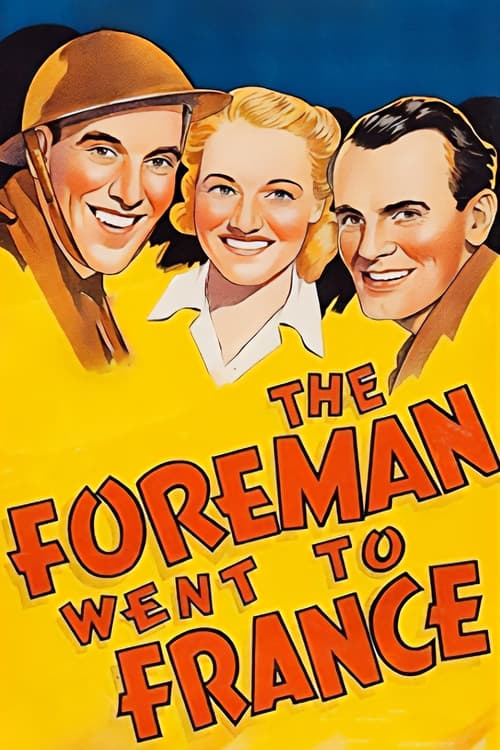
The Foreman Went to France
1942
No user ratings available yet
Representation score: 0.4 out of 10
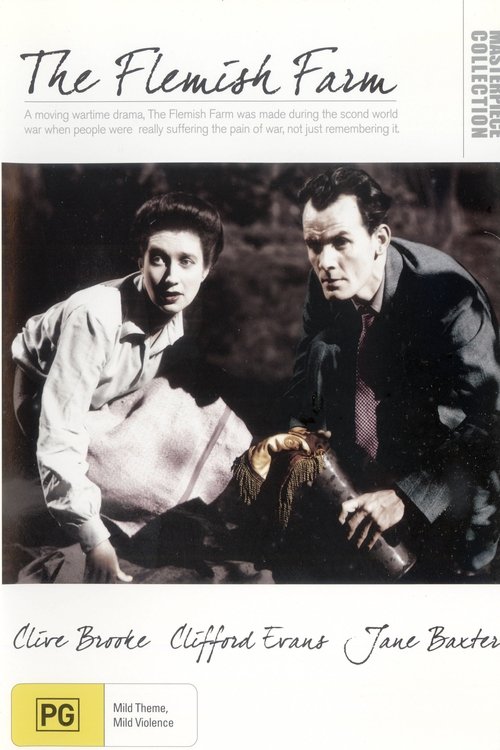
Representation Score
Minimal
1943
ApprovedDirector
Jeffrey Dell
Runtime
82 minutes
Average Rating
No ratings yetNew Showbiz Analysis
The Flemish Farm is a traditional wartime drama designed to boost national morale. Its narrative structure emphasizes regimented honor and duty, reflecting the socio-political context of 1943. The film centers on military camaraderie and masculine archetypes, lacking complexity in addressing social diversity. Ultimately, it reinforces the status quo of the Allied war effort without challenging existing social hierarchies.
Category Breakdown
The film follows the heterosexual norms typical of 1943 cinema and does not include any LGBTQ+ characters or stories involving non-straight relationships.
The story emphasizes masculine leadership and focuses on an Allied airman and his unit. Women appear only in supporting roles that support traditional gender roles.
The casting likely reflects the homogenous demographics of the 1940s British film industry. The story centers on Western European characters without any indication of a diverse cast.
The film promotes patriotism and loyalty to institutions, validating the existing social order. It highlights traditional Western military values like honor and duty.
There is no information indicating the inclusion of characters with visible or invisible disabilities in this production.
Present on Screen
Limited or Absent
Official Synopsis
Wartime commando story based on fact. Allied airman risks return (on the ground) to occupied France for the honour of his regiment.
1942
1966
1942
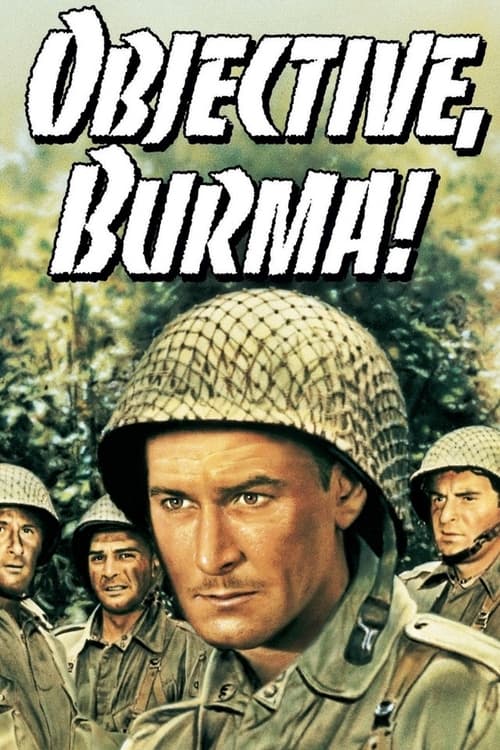
1945
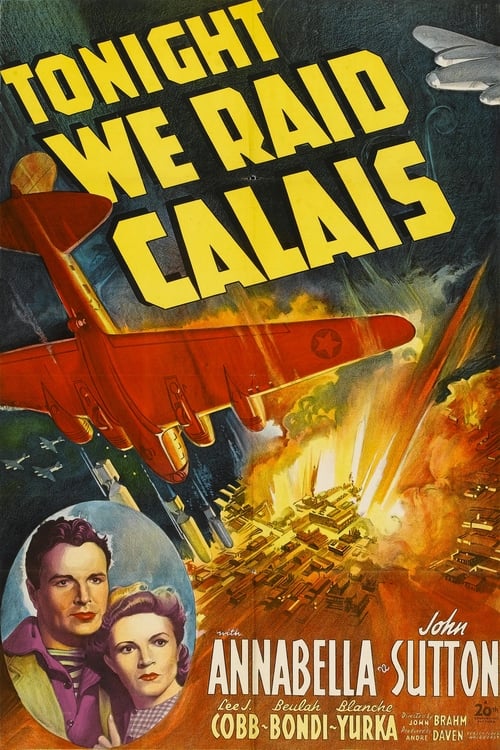
1943
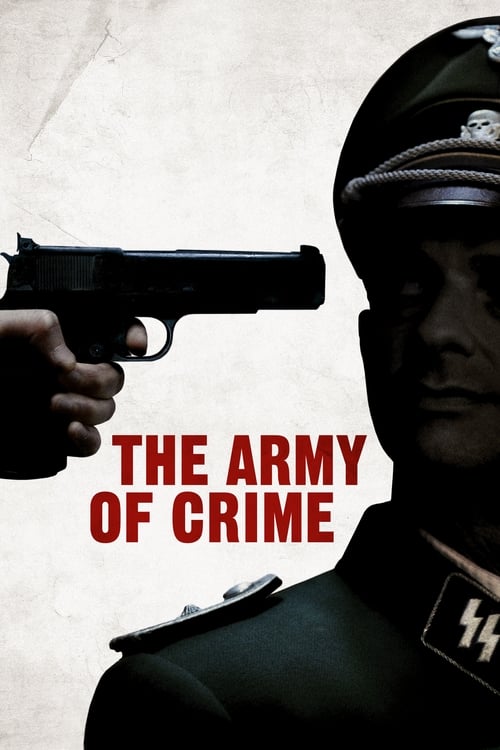
2009
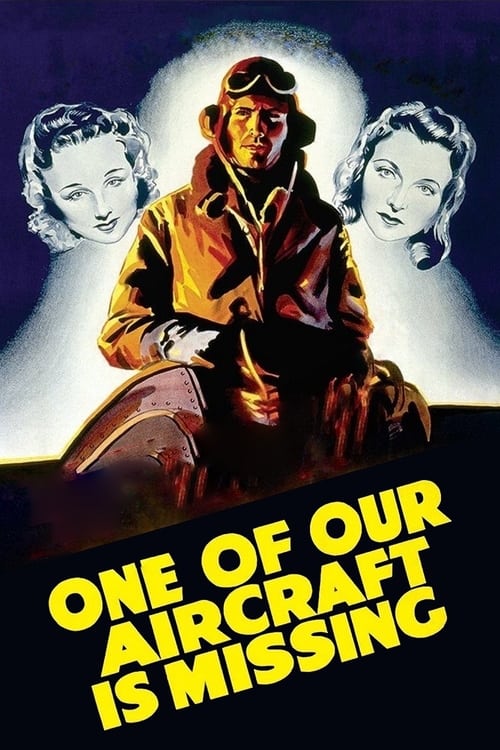
1942
1957
No reviews yet. Be the first to share your thoughts on this movie!
Use the rating form above to leave a star rating and optional review.