The Telephone Box
1972
No user ratings available yet
Diversity score: 4.5 out of 10
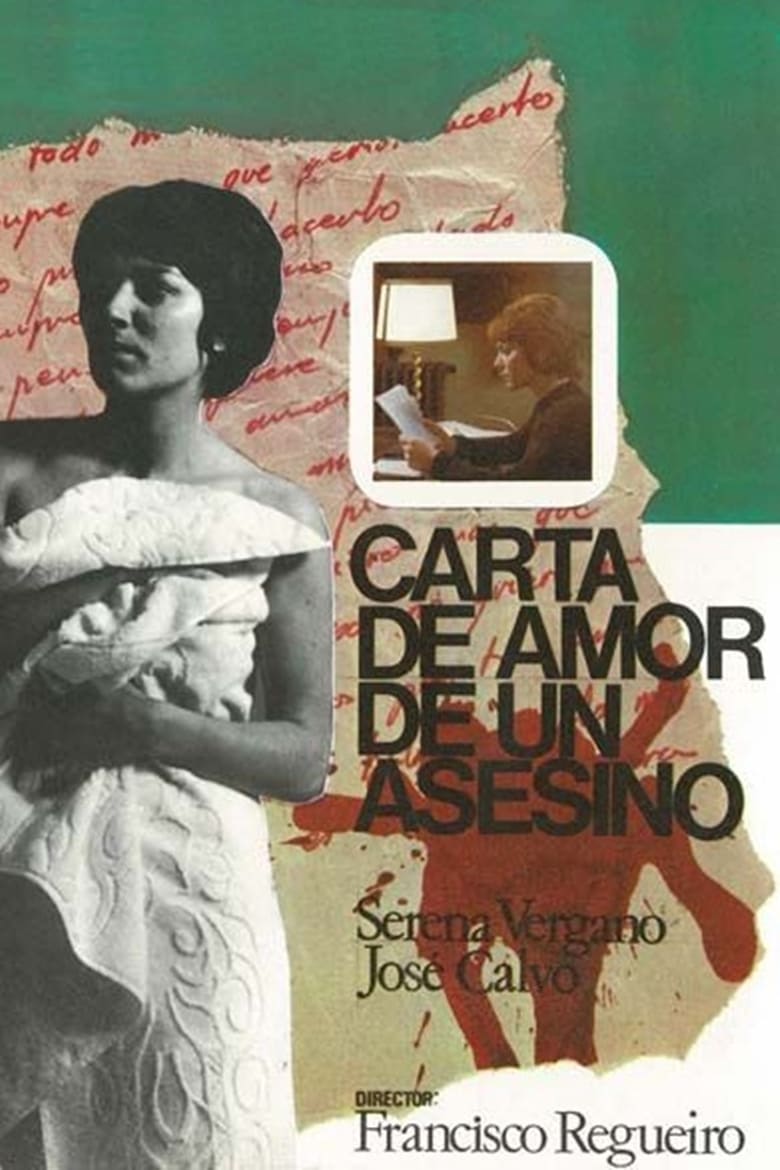
1972
Director
Francisco Regueiro
Runtime
85 minutes
Average Rating
No ratings yetSynopsis
A man (José Luis López Vázquez) walks into a bar and shoots four people dead. Next day everybody is talking about the murders. The police know who the killer is and have his photo, but the man himself remains at large. Blanca (Serena Vergano), a lonely librarian, receives a letter from him, declaring his love for her. Apparently he has been a regular at the municipal library, although Blanca denies ever having noticed him.
Overall Score
Fair
Category Breakdown
LGBTQ+ Representation
The film focuses entirely on a singular, obsessive heterosexual fixation. It lacks any representation of non-cisnormative identities or narratives that critique heteronormativity.
Gender Representation
The narrative disrupts traditional hierarchies by centering on male instability rather than competence. However, Blanca remains a reactive figure, serving as the object of male obsession.
Racial & Ethnic Diversity
The cast appears homogeneous, reflecting the traditional Western social structures of 1970s Spanish production. There is no evidence of racial blending or diverse casting.
Religious & Cultural Diversity
The film explores moral relativism by framing a murderer through a lens of psychological obsession. It prioritizes subjective experience over traditional social or religious order.
Disability Representation
Psychological instability and madness drive the thriller plot. These elements function as narrative devices for tension rather than nuanced portrayals of neurodivergence or mental health.
Strengths
Areas for Improvement
AI Analysis
Love Letter of a Murderer is a psychological study of individual pathology rather than a critique of systemic social structures. It succeeds in deconstructing traditional moral binaries, offering a complex look at subjective truth and social instability. However, the film lacks intentionality regarding intersectional identity. It operates within a very narrow framework, focusing on a homogeneous cast and a traditional, albeit dark, heterosexual romantic obsession. Ultimately, the work prioritizes genre-driven tension and psychological fragmentation over progressive social representation or diverse character archetypes.
1972
1928
1998

1980
1971

1982
1976

1981
1981
1972
1977
2000
No reviews yet. Be the first to share your thoughts on this movie!
Use the rating form above to leave a star rating and optional review.