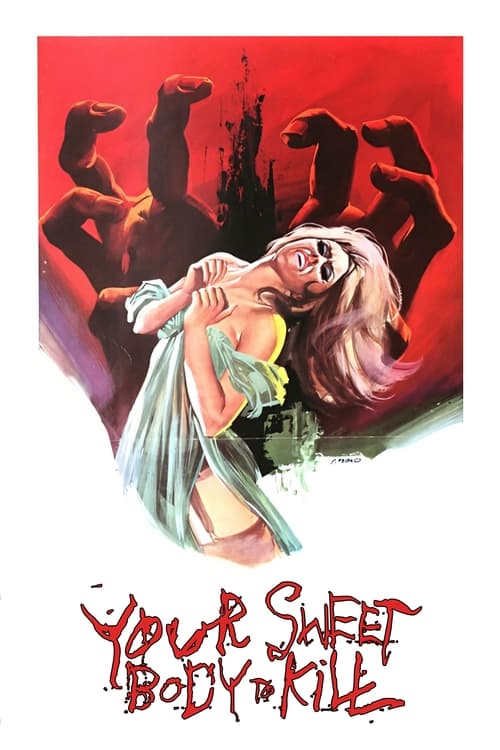
Your Sweet Body to Kill
1970
No user ratings available yet
Representation score: 1.3 out of 10
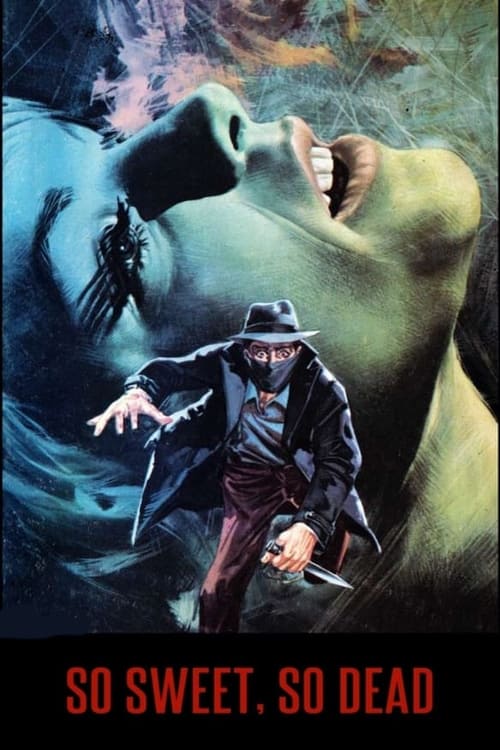
Representation Score
Limited
1972
RDirector
Roberto Bianchi Montero
Runtime
100 minutes
Average Rating
No ratings yetNew Showbiz Analysis
So Sweet, So Dead is a product of 1970s Italian genre cinema that prioritizes the deconstruction of bourgeois stability over demographic variety. The film uses the breakdown of the nuclear family to explore moral ambiguity, yet it remains tied to the social norms of its era. While the story challenges the sanctity of marriage, it does so through a narrow lens. The focus on infidelity and serial violence provides a critique of social hypocrisy but lacks the depth found in more progressive works.
Category Breakdown
The film does not include any explicit LGBTQ+ characters or storylines. It focuses on marital infidelity within a traditional framework that assumes everyone is straight.
Female characters mainly serve as reactive subjects within a predatory cycle. While the film highlights domestic instability, women act more as plot catalysts rather than having significant control over their own lives.
The production reflects a homogeneous social environment typical of 1970s Italian crime cinema. There is no indication of a non-white majority cast or diverse casting.
The narrative challenges the idea of the stable Western family by focusing on moral relativism. It critiques social hypocrisy through the lens of broken marital contracts.
There is no mention of characters with visible or invisible disabilities within the narrative.
Present on Screen
Limited or Absent
Official Synopsis
A serial killer is on the loose. His victims are unfaithful wives and he always leaves compromising photographs at the crime scene.
1970
1971

1987

1964
1979
1973
1974
1970
No reviews yet. Be the first to share your thoughts on this movie!
Use the rating form above to leave a star rating and optional review.