
From Star Wars to Star Wars: The Story of Industrial Light & Magic
1999
No user ratings available yet
Representation score: 1.3 out of 10
Representation Score
Minimal
1998
GDirector
David Comtois, Kevin Burns
Runtime
127 minutes
Average Rating
No ratings yetNew Showbiz Analysis
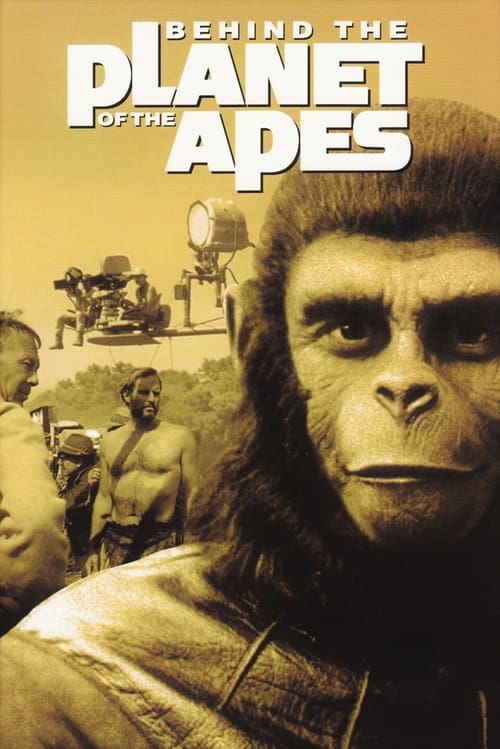
This documentary serves as a technical and historical retrospective of the Planet of the Apes franchise. Because it is a behind-the-scenes look at film production rather than a scripted narrative, it lacks the framework for character-driven stories that reflect multiple aspects of identity. The content prioritizes the preservation of cinematic legacy and the craftsmanship of a major studio intellectual property. Consequently, the focus remains on the mechanics of filmmaking and the career of Roddy McDowall rather than social commentary. While the original franchise used allegory to explore social dynamics, this documentary functions as a historical record of the production process. It does not actively seek to disrupt conventional social formulas or introduce contemporary diverse perspectives.
Category Breakdown
The documentary focuses on technical filmmaking and Roddy McDowall's career. It contains no narratives addressing LGBTQ+ identities or critiques of the assumption that everyone is straight or cisgender.
The narrative centers on mid-century science fiction production, which emphasizes male-dominated technical roles. It lacks focus on the roles of women or challenging gender hierarchies.
The film examines a franchise that used non-human species as metaphors for racial dynamics. However, the documentary lacks evidence of a diverse cast within its own production.
The work celebrates Western cinematic history and studio-era craftsmanship. It does not prioritize narratives that challenge institutions or diverse cultural perspectives outside of traditional film preservation.
There is no mention of subjects or characters with visible or invisible disabilities being portrayed with real power or as central narrative elements.
Present on Screen
Limited or Absent
Official Synopsis
Roddy McDowall takes you, film by film, from production meetings to make-up sessions, then right onto the movie set to see the actual filming of the science fiction masterpiece. The most comprehensive history of Planet of the Apes ever created, this fascinating 127-minute documentary explores one of the most imaginative and influential series in movie history.
1999
2004
2019
2001

2012

2024

2001
2007
No reviews yet. Be the first to share your thoughts on this movie!
Use the rating form above to leave a star rating and optional review.