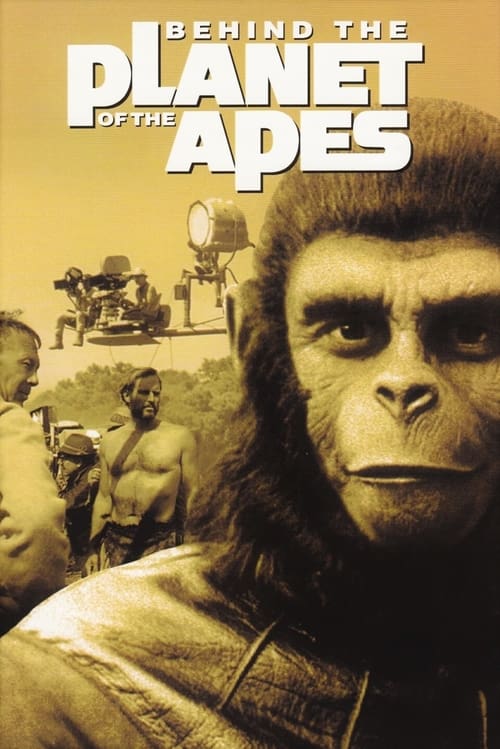
Behind the Planet of the Apes
1998
No user ratings available yet
Representation score: 1.3 out of 10

Representation Score
Minimal
1999
TV-PGDirector
Jon Kroll
Runtime
45 minutes
Average Rating
No ratings yetNew Showbiz Analysis
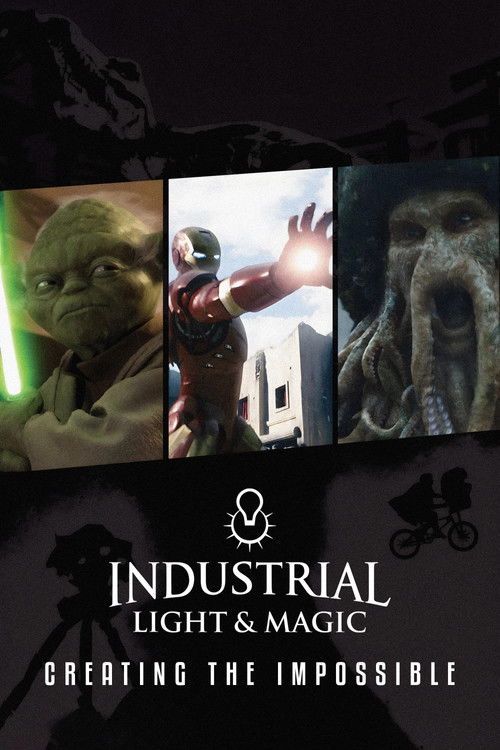
This documentary serves as a technical retrospective of Industrial Light & Magic, emphasizing the evolution of visual effects over social or identity-based storytelling. The narrative structure is geared towards documenting the transition from practical to digital effects, which inherently limits opportunities for representing diverse human experiences. The film reflects the demographic homogeneity of high-tech film production environments during the late 20th century. Given its focus on industrial history, the content remains narrow and centered on technical milestones rather than diverse human experiences.
Category Breakdown
The documentary does not include any LGBTQ+ characters or narratives. Its focus on industrial history and technological advancements does not provide a platform to explore non-traditional gender identities.
The film centers on the technical achievements within a traditionally male-dominated engineering field. It does not feature women driving the technological narrative or challenging traditional roles.
The documentary focuses on the creators of Industrial Light & Magic rather than the diverse species found in the Star Wars universe. It does not highlight a non-white majority among the interviewed professionals.
The narrative celebrates the success of a major Western media institution. It honors the legacy of George Lucas and the technological progress of the American film industry.
There is no evidence that neurodivergence, physical disabilities, or mental health conditions play a central role in the story. The focus remains solely on the mechanics of visual effects.
Present on Screen
Limited or Absent
Official Synopsis
The incredible evolution of George Lucas' special effects dream factory, including an inside look at "Star Wars: Episode One - The Phantom Menace."
1998
2004
2001
2001
2010

2007
1980

2022
No reviews yet. Be the first to share your thoughts on this movie!
Use the rating form above to leave a star rating and optional review.