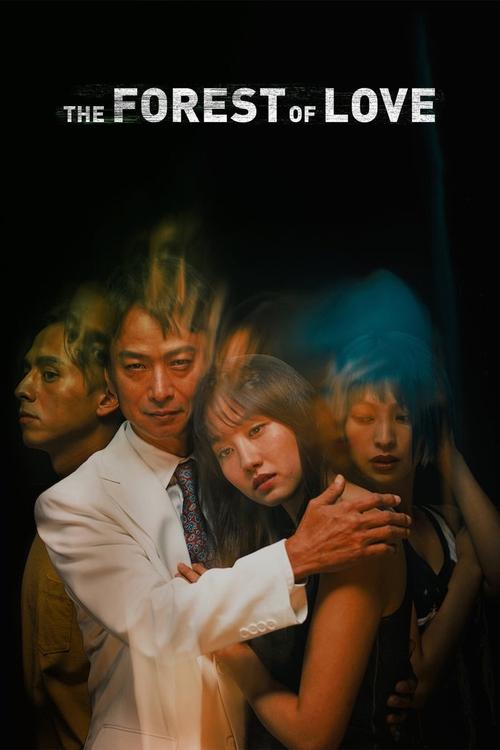
The Forest of Love
2019
No user ratings available yet
Representation score: 4.9 out of 10

Representation Score
Fair
1993
Not RatedDirector
Takashi Ishii
Runtime
110 minutes
Average Rating
No ratings yetNew Showbiz Analysis
Takashi Ishii’s noir-inflected thriller explores the fringes of society through characters operating outside traditional social structures. The film succeeds in deconstructing social stability by focusing on unconventional lifestyles and moral ambiguity. However, the work remains within a traditional demographic framework. It lacks markers such as LGBTQ+ representation or multicultural casting, focusing instead on localized Japanese social hierarchies. Ultimately, the film challenges institutional morality rather than demographic diversity. It celebrates characters who navigate a corrupt urban landscape by existing on the periphery of the law.
Category Breakdown
The film lacks explicit evidence of LGBTQ+ characters or non-straight relationships. The narrative centers on a volatile romantic relationship involving a Yakuza figure.
A female character drives the plot who play a significant role in driving the story, acting as the primary catalyst for the story. However, traditional crime-thriller clichés of deception and vulnerability persist.
The production features a largely homogeneous cast reflecting its Tokyo setting. It does not utilize multicultural casting to challenge the status quo or explore the way different parts of someone's identity overlap.
The story critiques rigid social structures by centering on characters living on the fringes of society. It prioritizes situational ethics and moral relativism over traditional institutional decorum.
There is no evidence regarding the portrayal of physical or neurodivergent disabilities within the narrative.
Present on Screen
Limited or Absent
Official Synopsis
Jiro is a Tokyo man who offers a stand-in service where he'll do "anything". A woman claiming to be from Fukuoka wants to be shown around Tokyo and see the sights. What Jiro doesn't know is that this woman isn't who she says she is. She's on the run from her Yakuza boyfriend, and Jiro is going to be unwittingly entwined in the situation.
2019
1989

1997
1993

2013
1987

1999

1994
No reviews yet. Be the first to share your thoughts on this movie!
Use the rating form above to leave a star rating and optional review.