
Homejack Triangle
2018
No user ratings available yet
Representation score: 2.7 out of 10
Representation Score
Fair
2013
Not RatedDirector
Ainosuke Shibata
Runtime
70 minutes
Average Rating
No ratings yetNew Showbiz Analysis
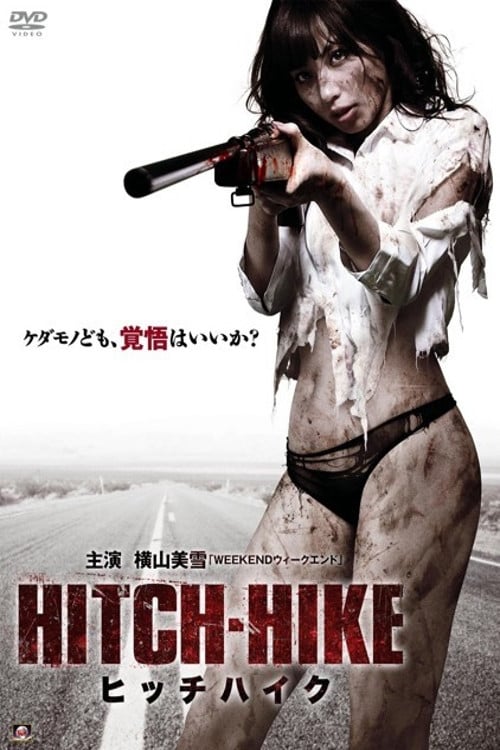
Hitch-Hike is a localized crime thriller that prioritizes high-tension genre clichés over storytelling that reflects multiple aspects of identity. The narrative is driven by a sudden disruption of domestic stability, focusing on a small, specific cast within a claustrophobic setting. The film's primary strength lies in its subversion of traditional gender roles. While it begins with a traditional domestic setup, the female protagonist evolves from a passive role into a decisive agent of action. However, the film lacks breadth in its representation. It remains confined to traditional relational frameworks and regional demographic norms, offering little engagement with LGBTQ+ identities or diverse ethnic ensembles.
Category Breakdown
The story focuses on a heterosexual marriage between Yoshio and Saeko. There is no indication of non-traditional gender identities or critiques of the assumption that everyone is straight or cisgender.
Saeko undergoes a significant shift, moving from a quiet wife to a central figure of retribution. This challenges traditional gender roles and the 'damsel in distress' cliché.
As a localized Japanese production, the film operates within a specific cultural context. The score reflects a standard adherence to the demographic norms of its regional setting.
The narrative explores moral ambiguity and situational ethics during a survival scenario. It prioritizes individual justice and revenge over established social or legal frameworks.
The film provides no evidence regarding the inclusion of characters with physical or neurodivergent disabilities.
Present on Screen
Limited or Absent
Official Synopsis
The brutal Yoshio and his quiet young wife Saeko are on a road trip. Their drive will take a wrong turn when Yoshio decides to pick up a hitch hiker along the way. When the man reveals himself as a deranged bank robber and serial killer, the couple will be forced to cooperate in his getaway. Now it's Saeko's turn to take revenge on the man who drove her through hell!
2018

1977
1974

2014
1978

1981

2008

2007
No reviews yet. Be the first to share your thoughts on this movie!
Use the rating form above to leave a star rating and optional review.