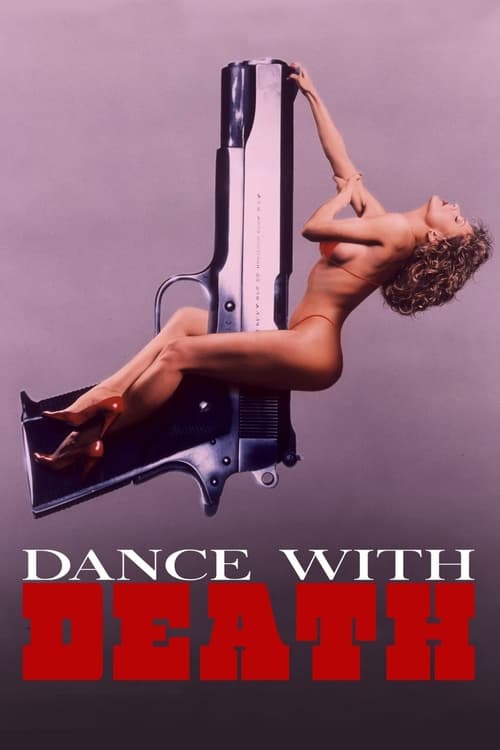
Dance with Death
1992
No user ratings available yet
Representation score: 4.2 out of 10
Representation Score
Limited
1997
RDirector
Stanley Yung, Stanley Lee
Average Rating
No ratings yetNew Showbiz Analysis
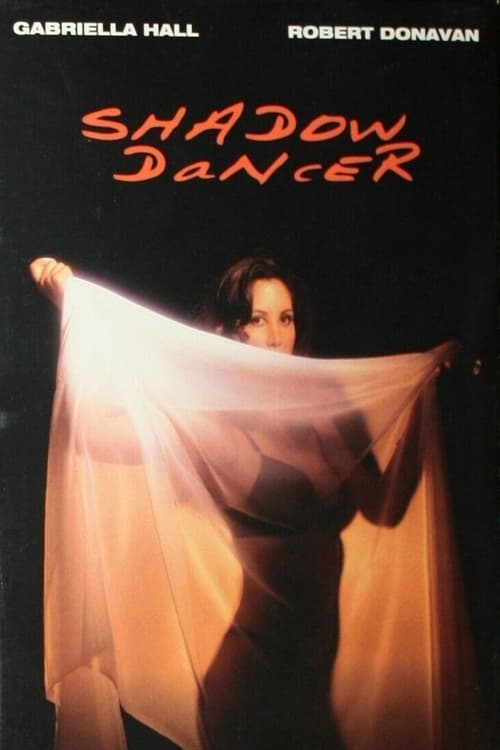
Shadow Dancer functions as a crime thriller set in a underrepresented urban ecosystem. It places female characters at the center of the tension, moving away from traditional domestic settings to explore high-stakes professional environments. However, the film remains tied to established cinematic clichés. The protagonist's role is often defined by her capacity for violence or her status as a victim, limiting the depth of its social commentary. The narrative prioritizes genre conventions of guilt and mystery over a structured critique of systemic issues. Ultimately, while the setting and central characters offer some representation, the film lacks specific character descriptors or institutional critiques necessary for a higher diversity rating.
Category Breakdown
The film shows a close, intimate relationship between Narina and Dee during their performances. Though their romantic identities aren't explicitly stated, the shared experiences hint at a possible queer subtext.
Narina holds a position of professional dominance as a strip club star. However, the story relies on the cliché of the tragic woman, linking female empowerment to violence and victimization.
The Los Angeles setting offers a diverse urban landscape. While specific ethnicities aren't detailed, the background suggests a non-Anglo-Saxon majority.
The narrative delves into moral ambiguity and dark secrets, presenting a cynical, nihilistic worldview focused on crime rather than critiquing social institutions.
The provided narrative contains no evidence regarding the depiction of physical or neurodivergent disabilities.
Present on Screen
Limited or Absent
Official Synopsis
At a Los Angeles strip club, provocative Narina is the undisputed star. But when Narina and her friend, Dee, are performing a daringly erotic routine, the lights go out and Dee is stabbed to death. All the evidence points to Narina, and Narina herself feels she may be guilty because of her own dark secret: she has killed before.
1992
2005
1999
1993
1990
1984
1998
1980
No reviews yet. Be the first to share your thoughts on this movie!
Use the rating form above to leave a star rating and optional review.