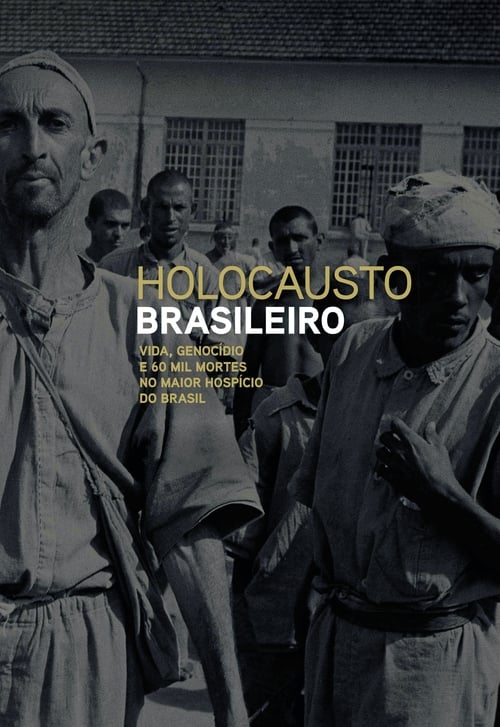
Brazilian Holocaust
2016
No user ratings available yet
Representation score: 9.2 out of 10
Representation Score
Excellent
1979
Director
Helvécio Ratton
Runtime
24 minutes
Average Rating
No ratings yetNew Showbiz Analysis
Helvécio Ratton’s documentary serves as a powerful deconstruction of institutional power during Brazil’s dictatorship. By focusing on the Hospital Colonia de Barbacena, the film reframes psychiatric patients as victims of state-sanctioned neglect rather than mere medical subjects. The work excels by centering the disability experience as a political struggle. It uses comparisons to concentration camps to critique the intersection of psychiatric practice and political oppression, effectively challenging the perceived legitimacy of state-run medical institutions. While the film provides deep insight into neurodivergent struggles, it offers less specific detail regarding racial or gender-based critiques.
Category Breakdown
The film does not provide specific information about sexual orientation or gender identity. Instead, it focuses on the broader issues of systemic dehumanization faced by psychiatric patients.
The narrative emphasizes the experiences of underrepresented individuals over those in positions of institutional power. This approach subtly challenges traditional hierarchies of gendered authority.
The documentary highlights the social realities during a dictatorship where institutionalization often intersected with racial discrimination. However, specific details about racial casting are not provided.
The film offers a strong critique of state authority and Western-style institutionalization. It portrays the hospital system as inherently oppressive and corrupt.
The film centers on the experiences of neurodivergent individuals, providing visibility to those often silenced. It avoids portraying these individuals as inspirational figures, focusing instead on systemic cruelty and human rights violations.
Present on Screen
Limited or Absent
Official Synopsis
The infamous Hospital Colonia de Barbacena (Barbacena Colony Hospital), biggest mental institution of Brazil, once compared to concentration camps of Auschwitz ,opens its gates to a production crew during the country's dictatorship period. This short documentary depicts how mental patients were treated inside the institution and how anyone could end up an intern there for no plausible reason.
2016

1967

2007

2016

1987

2001
1972

1988
No reviews yet. Be the first to share your thoughts on this movie!
Use the rating form above to leave a star rating and optional review.