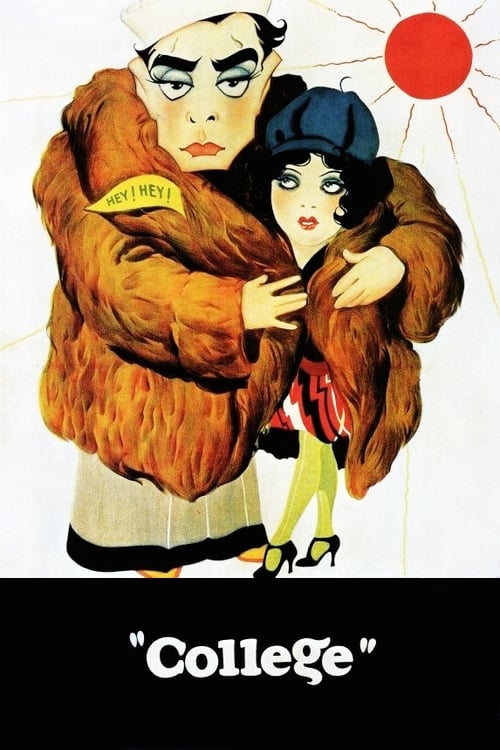
College
1927
No user ratings available yet
Representation score: 1.6 out of 10

Representation Score
Limited
1925
Not RatedDirector
Wesley Ruggles
Runtime
73 minutes
Average Rating
No ratings yetNew Showbiz Analysis
The Plastic Age captures a shifting social paradigm through cinema. Despite failing to represent LGBTQ+ individuals or people with disabilities, it successfully portrays the tension between Victorian morality and the emerging Jazz Age. The film’s strength lies in its challenge to traditional gender hierarchies by highlighting the social autonomy and independence of female characters. It also offers a humorous critique of rigid Victorian morality and strict institutional authority. However, the production remains limited by the era's racial homogeneity. The absence of diverse ethnic perspectives keeps the overall diversity score low, despite its progressive social themes.
Category Breakdown
The film does not feature any identifiable LGBTQ+ characters or themes. The romantic storyline focuses solely on heterosexual relationships typical of the 1920s.
The movie highlights the 'New Woman' archetype, emphasizing the social autonomy of female characters. This portrayal challenges traditional, submissive roles in favor of modern independence.
The cast and setting are predominantly homogeneous, reflecting the limited standards of 1925 Hollywood. The story does not incorporate diverse racial or ethnic perspectives.
The film criticizes traditional institutional authority and parental decorum. It celebrates the social rebellion of youth and their pursuit of secular pleasures over conservative Victorian values.
There are no characters with visible or invisible disabilities. The narrative does not focus on physical impairments or neurodivergence.
Present on Screen
Limited or Absent
Official Synopsis
Hugh Carver is an athletic star and a freshman at Prescott College. He falls in love with Cynthia Day, a popular girl who loves to party, and finds that it's impossible to please her and still keep up with his studies and athletic training. Soon the two face some difficult decisions.
1927
1925
1931

1934
1929
1928
1923
1925
No reviews yet. Be the first to share your thoughts on this movie!
Use the rating form above to leave a star rating and optional review.