Little Johnny Jones
1929
No user ratings available yet
Representation score: 1.1 out of 10
Representation Score
Minimal
1925
PassedDirector
Oscar Apfel
Runtime
63 minutes
Average Rating
No ratings yetNew Showbiz Analysis
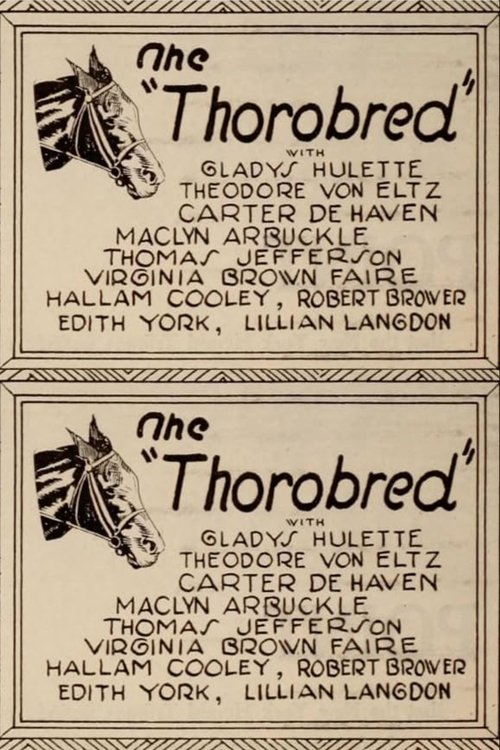
The Thoroughbred is a traditional 1925 comedy that emphasizes established social hierarchies and individualistic goals. The plot revolves around class mobility and the tension between provincial life and New York high society, framed through personal financial stakes rather than systemic critique. While the film explores social whirls and romantic interests, it adheres to the era's standard clichés. The focus remains on a male protagonist navigating established wealth structures and familial expectations. Ultimately, the film lacks complexity in addressing various aspects of identity. It serves as a period piece that reinforces the norms of its time rather than challenging social or demographic norms.
Category Breakdown
The film follows a typical romantic storyline between a male character and a female character. It does not include any representation of individuals whose gender or sexual orientation does not conform to traditional norms.
The story focuses on male characters like Bob Beemis and his uncle, who have significant roles in driving the plot. Female characters, such as the chorus girls, mainly serve as romantic interests.
The film is set in high-society circles in New York, which traditionally revolve around white individuals. There is no representation of people from different racial backgrounds.
The story upholds traditional Western values related to family authority and financial success. It follows a conventional path of personal financial recovery and social standing.
The narrative does not include any characters with visible or invisible disabilities.
Present on Screen
Limited or Absent
Official Synopsis
Bob Beemis comes to New York City hoping to get his family entrenched in the high-society circuit, but only succeeds in making friends with one person in the social whirl, Archie de Rennsaler. They party with a couple of chorus girls and Bob falls in love with one of them. His uncle arrives from the West to check out his progress, finds there has been none, and closes out his bank account. What's a poor rich-boy do do? Well, he could enter his horse in a really, really Big Race.
1929
1925
1930
1926
1928
1927
1927
1934
No reviews yet. Be the first to share your thoughts on this movie!
Use the rating form above to leave a star rating and optional review.