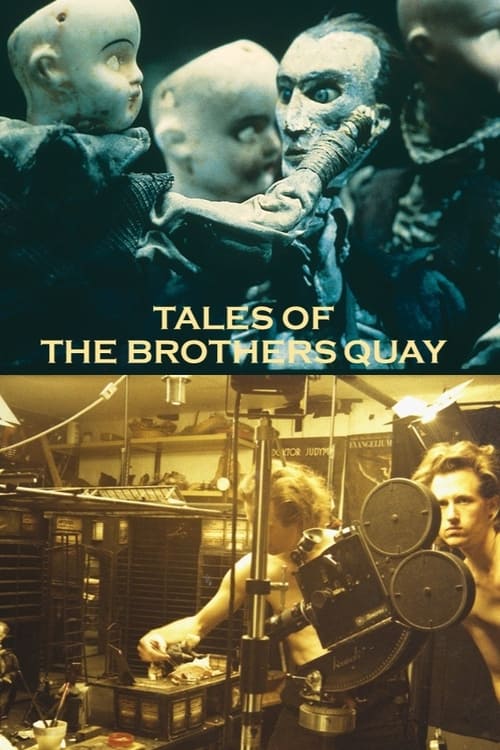
Tales of the Brothers Quay
1987
No user ratings available yet
Representation score: 2.4 out of 10
Representation Score
Minimal
2006
Director
Mike Boas
Runtime
6 minutes
Average Rating
No ratings yetNew Showbiz Analysis
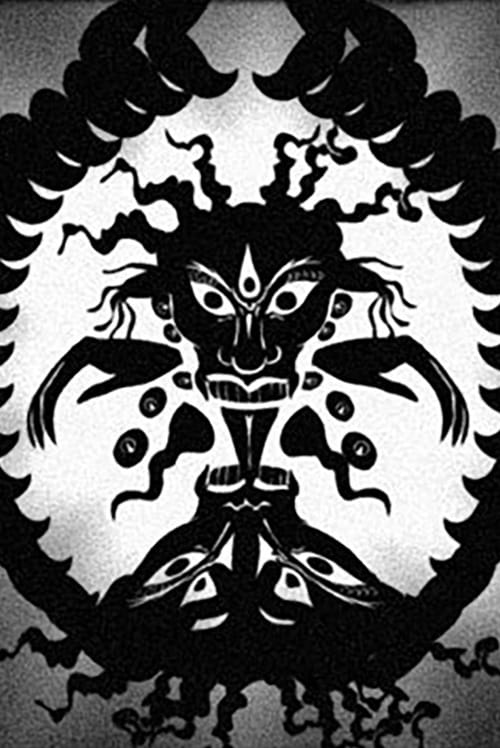
This film is a stylistic exploration of cosmic horror that emphasizes atmospheric dread over social identity. The use of silhouette animation limits nuanced demographic representation, as the medium relies on shape rather than detailed physical characteristics. While the work challenges traditional religious certainty through Lovecraftian themes, it remains neutral regarding diverse identities. The focus is on metaphysical themes and the journey of a singular prophet.
Category Breakdown
The film does not include any LGBTQ+ narratives or characters with non-straight sexual orientations or gender identities.
The story revolves around a male prophet and does not provide diverse gendered roles that challenge traditional stereotypes.
The silhouette animation style suggests a universal theme but lacks explicit racial or ethnic complexity, focusing instead on mythic archetypes.
The film challenges Western religious structures by emphasizing cosmic horror and existential themes, favoring a chaotic, mythic framework over singular moral teachings.
There is no depiction of physical disabilities or neurodivergence in the narrative.
Present on Screen
Limited or Absent
Official Synopsis
A prophet who longed to look upon his deities. A daunting journey to a mountain peak. A confrontation with gods too powerful to name. This is the story that inspired Peter Rhodes, who worked as a filmmaker and artist during the 1920s. Few people know of his work, and it's only through luck and perseverance that we have been able to track down the elements for this "lost" film. Rhodes' films were created using silhouette animation, a technique perfectly suited to depict Lovecraft's mythic Dreamland stories. The filmmaker's involvement in New York City's occult and literary scenes provided him with a select audience for his work. Rhodes was especially influenced through his relationships with occultist Aleister Crowley and writer H.P. Lovecraft, but it was personal tragedy that moved him to produce "The Other Gods: A Tale of the Dream Cycle," his most powerful film.
1987
1911

1969
2005
2013
2006
2012
2004
No reviews yet. Be the first to share your thoughts on this movie!
Use the rating form above to leave a star rating and optional review.