
Down to the Cellar
1983
No user ratings available yet
Diversity score: 2.2 out of 10
1983
Director
Jan Švankmajer
Runtime
15 minutes
Average Rating
No ratings yetSynopsis
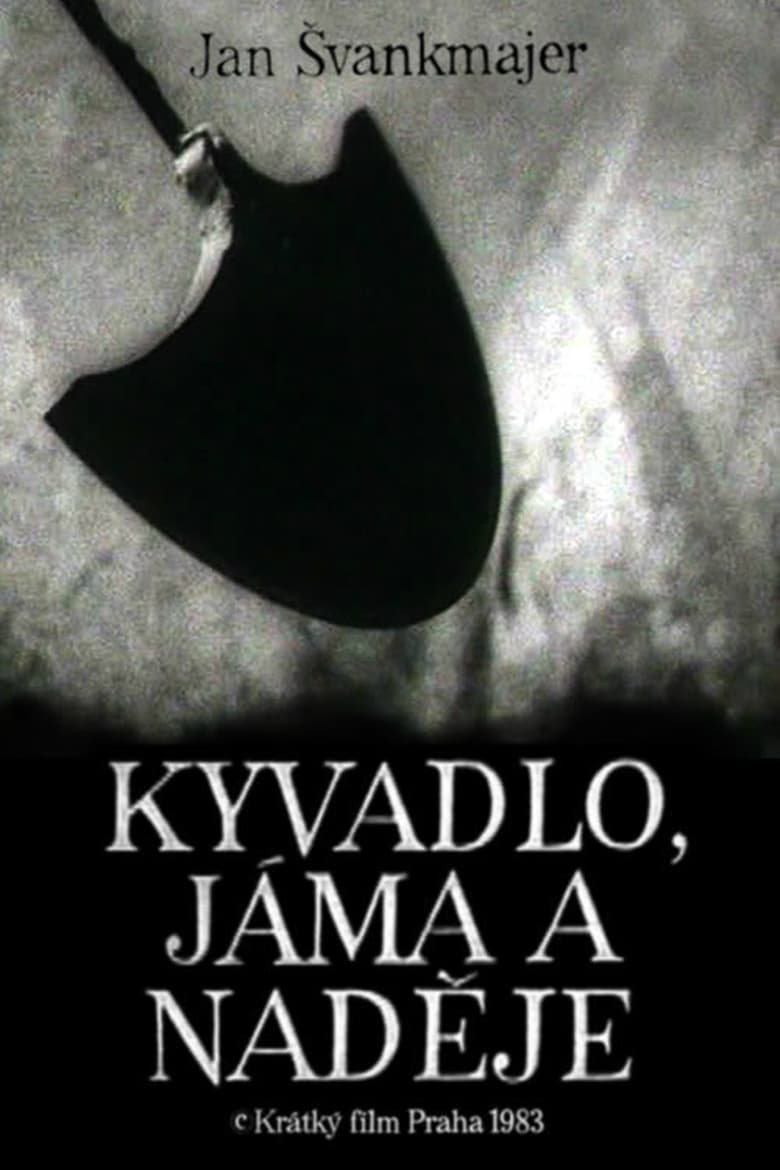
A short film based on Edgar Allan Poe's "The Pit and the Pendulum" and Auguste Villiers de l'Isle-Adam's "A Torture by Hope".
Overall Score
Limited
Category Breakdown
LGBTQ+ Representation
The film lacks any depiction of sexual orientation or gender identity. The narrative focuses strictly on physical sensation and psychological terror, leaving no room for queer subtext.
Gender Representation
Švankmajer achieves a neutral stance by bypassing traditional gender hierarchies. Using disembodied hands and abstract anatomy, the film removes patriarchal or matriarchal power dynamics through total abstraction.
Racial & Ethnic Diversity
The stylized, timeless dungeon exists outside of any specific cultural or ethnic context. Because characters are fragmented body parts, there is no presence of racial or ethnic identity.
Religious & Cultural Diversity
The film prioritizes a secular, existentialist worldview over religious frameworks. It embraces postmodern skepticism of order, though it lacks an explicit anti-capitalist or political critique.
Disability Representation
There is no intentional representation of disability. Themes of physical torment serve the horror genre's requirements rather than providing nuanced portrayals of impairment or neurodivergence.
Strengths
Areas for Improvement
AI Analysis
Jan Švankmajer’s surrealist short is a masterclass in postmodern fragmentation, using stop-motion to deconstruct literary horror. By replacing traditional characters with disembodied anatomical parts and inanimate objects, the film disrupts conventional expectations of identity and agency. While the film succeeds in disrupting social hierarchies through abstraction, it creates a vacuum of demographic representation. The focus on sensory experience and existential dread means the work operates entirely outside the realm of social or demographic categorization. Ultimately, the film's commitment to the 'tactile memory' of objects results in a narrative stripped of the social markers necessary for intersectional analysis.
1983
1980
2007
2020

2018
1966
1969
No reviews yet. Be the first to share your thoughts on this movie!
Use the rating form above to leave a star rating and optional review.