
Clarissa
1998
No user ratings available yet
Representation score: 2.1 out of 10

Representation Score
Minimal
2002
Director
Jacques Deray
Runtime
92 minutes
Average Rating
No ratings yetNew Showbiz Analysis
The film is a period drama that emphasizes classical romanticism over modern storytelling techniques. It operates within established historical hierarchies, using conventional gender roles and a homogeneous cast. The narrative centers on a traditional exploration of unrequited love, avoiding challenges to systemic power structures or introducing diverse perspectives.
Category Breakdown
The film focuses entirely on heterosexual relationships and does not include any queer subtext or non-cisgender identities within the main characters.
Rose's character is defined by her suffering due to unrequited love, while Albert Rank remains the dominant, central figure, reinforcing traditional gender roles.
The cast is primarily white and set in 1930s Vienna, reflecting the demographic homogeneity of the time without engaging with racial or ethnic diversity.
The story follows a traditional Western framework of individual romantic tragedy, focusing on social standing and memory from a classical moral perspective.
There are no visible or invisible disabilities portrayed as central to the character arcs, nor is there any evidence of neurodivergence or physical disability used as a narrative device.
Present on Screen
Limited or Absent
Official Synopsis
Vienna, in the 1930s. The attractive and famous writer Albert Rank receives the letter from a stranger. He discovers that she devoted her entire life to her boundless love. In her letter, Rose looks back on a variety of meetings with Albert: Since childhood, she is slavishly in love with him and she never got away from her throughout her life. In many encounters Rank could not recognize them, even if the shared moments had been wonderful. As an adult woman, Rose's love is too painful to go on, and she has dire consequences.
1998
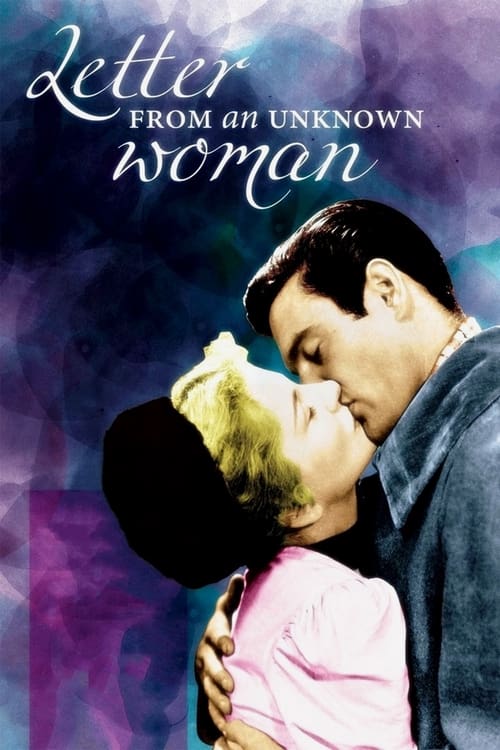
1948
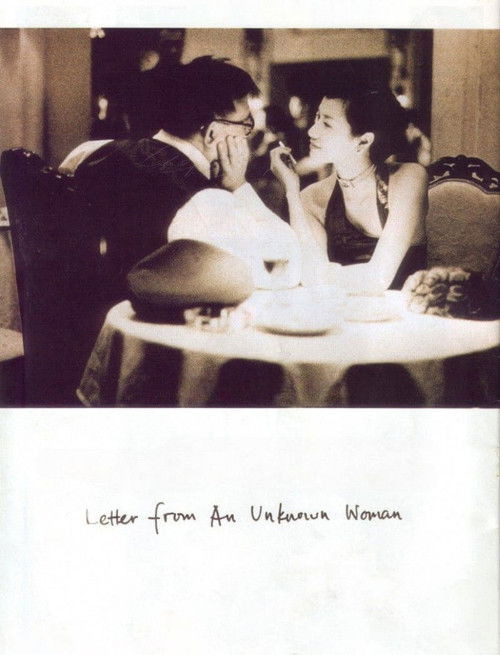
2004
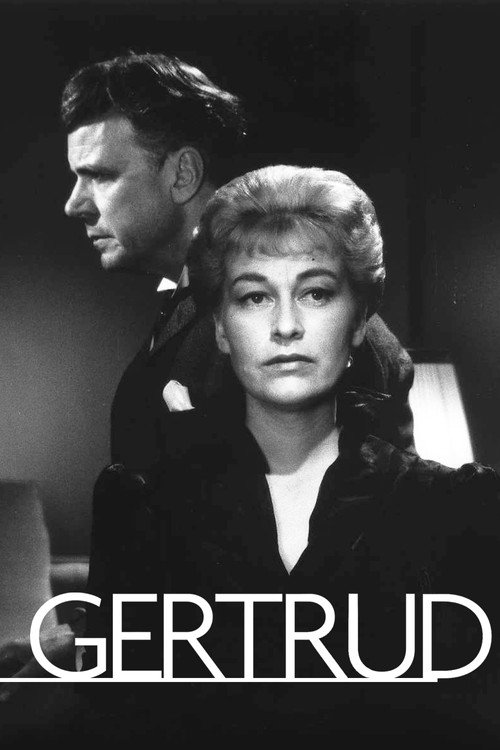
1964
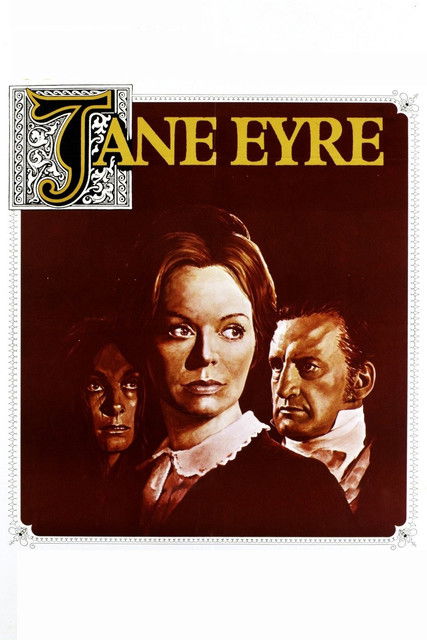
1970
1975
2010
1996
No reviews yet. Be the first to share your thoughts on this movie!
Use the rating form above to leave a star rating and optional review.