Ladies of Steel
2020
No user ratings available yet
Representation score: 5.6 out of 10
Representation Score
Fair
2013
Director
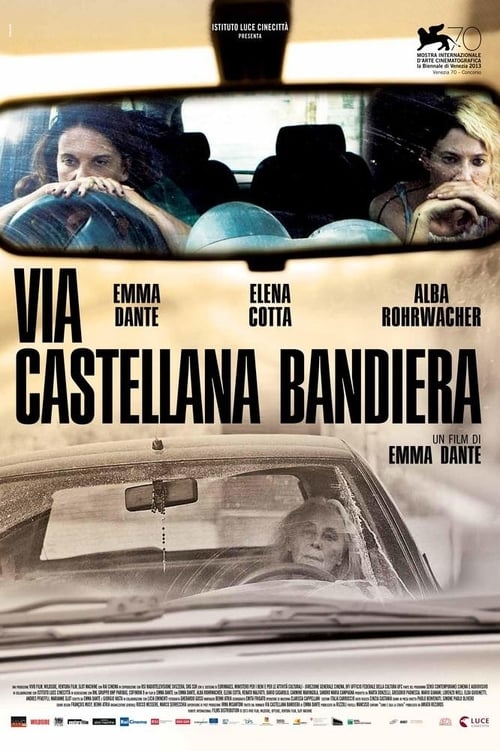
Emma Dante
Runtime
90 minutes
Average Rating
No ratings yetNew Showbiz Analysis
Emma Dante’s film is a visceral study of domestic claustrophobia that succeeds by deconstructing traditional social hierarchies. It excels in its subversion of gender roles, replacing the standard patriarchal head of household with a powerful, psychologically heavy matriarchal presence. However, the film remains ethnically homogeneous, focusing strictly on a localized Sicilian reality. This specificity provides cultural depth but limits broader racial and characters who reflect more than one aspect of diversity. Ultimately, the work is defined by its critical interrogation of the family institution. It prioritizes chaotic emotional truths over the promotion of traditional religious or familial ideals, making it a progressive deconstruction of Mediterranean norms.
Category Breakdown
The film lacks prominent LGBTQ+ characters or explicit narratives that challenge the assumption that everyone is straight or cisgender. Intense emotional connections exist between characters, but there are no documented instances of queer identity or same-sex romantic arcs.
The film centers a matriarchal structure, subverting patriarchal hierarchies. The mother figure exerts strong psychological control, challenging submissive female stereotypes and positioning masculinity as a secondary force in the domestic sphere.
The cast reflects a homogeneous, working-class Sicilian environment. While it lacks diverse racial representation, it achieves high cultural specificity without relying on broad caricatures.
The narrative critiques traditional Mediterranean institutions and the sanctity of the nuclear family. It portrays the family unit as a site of entrapment and dysfunction rather than a source of stability.
There are no prominent depictions of physical or neurodivergent disabilities that serve as central plot drivers or character identities.
Present on Screen
Limited or Absent
Official Synopsis
Shut inside their cars, two women face off in a silent duel that is fought out in the intimate violence of their stares. A wholly female duel punctuated by the refusal to drink, eat and sleep; more obstinate than the sun of Palermo and more stubborn than the ferocity of the men who surround them. For, as in every duel, it is a question of life or death... It’s a Sunday afternoon. The sirocco is blowing pitilessly in Palermo when Rosa and Clara lose their way in the streets of the city and end up in a sort of alley: Via Castellana Bandiera. At the same moment, another car driven by Samira, crammed with members of the Calafiore family, arrives from the opposite direction and enters the same street.
2020

2007
1963
2011
2020
2019

2022
2017
No reviews yet. Be the first to share your thoughts on this movie!
Use the rating form above to leave a star rating and optional review.