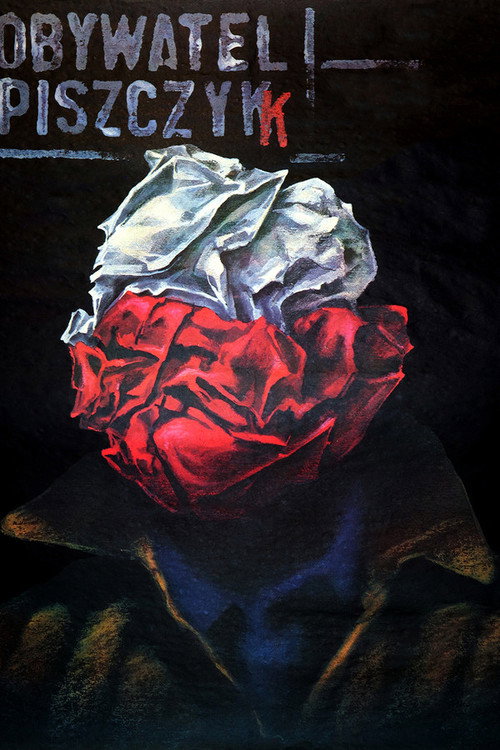
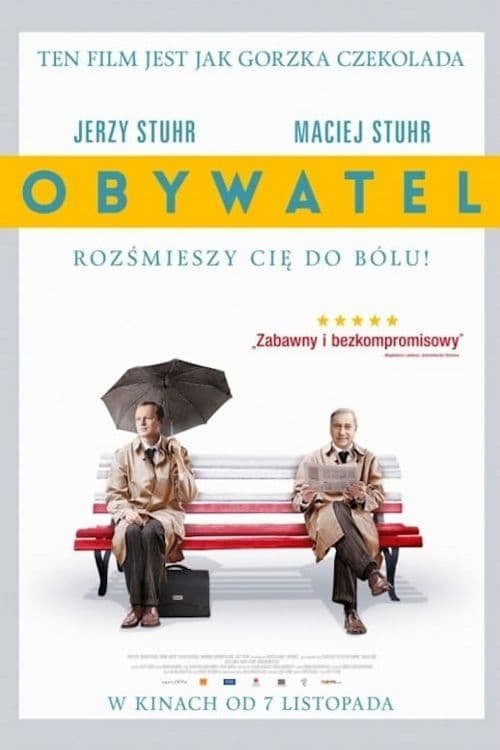
Citizen Piszczyk
1989
No user ratings available yet
Representation score: 6.4 out of 10
Representation Score
Good
2014
Director
Jerzy Stuhr
Runtime
104 minutes
Average Rating
No ratings yetNew Showbiz Analysis
Jerzy Stuhr’s work examines the tension between individuals and the state, using dark comedy to critique systemic structures. The film serves as a sociological study of a generation navigating Poland’s transition from communism to democracy. The narrative is deeply rooted in a specific national experience, which limits racial and ethnic diversity. It focuses on the internal complexities of Polish identity rather than a broad ensemble of different backgrounds. While the film lacks explicit representation of LGBTQ+ or disability-specific arcs, it excels in cultural critique. It deconstructs how institutional stability and historical absurdity impact personal autonomy.
Category Breakdown
The film focuses on the transition from communism to democracy and does not include explicit representations of LGBTQ+ identities or character arcs.
The story explores how systemic changes affect both domestic and professional life. It potentially challenges traditional masculine archetypes by highlighting a protagonist's struggles against absurdity.
The narrative centers on a specific period in Polish history and a relatively homogeneous population navigating the transition to democracy.
The film critiques traditional institutions and state-controlled power dynamics. It examines how unpredictable history and systemic corruption limit individual ability to act.
There are no specific characters with physical or neurodivergent disabilities, but the protagonist's recurring failures may symbolize the struggle against a disabling systemic environment.
Present on Screen
Limited or Absent
Official Synopsis
An attempt at depicting the life of a generation born and raised in communist Poland; a generation that lived through all the stages of that system and made it to democracy. Throughout his life, the film's protagonist has always tried to be active, but something always got in his way, either through an absurd coincidence, as a result of his own lack of ability, or due to the unpredictable nature of certain events in our recent history.
1989
2006
1994

1989

1997
1992

2013
2003
No reviews yet. Be the first to share your thoughts on this movie!
Use the rating form above to leave a star rating and optional review.