Arrietty
2010
No user ratings available yet
Representation score: 6.0 out of 10
Representation Score
Fair
2012
PGDirector
Hiroyuki Okiura
Runtime
120 minutes
Average Rating
No ratings yetNew Showbiz Analysis
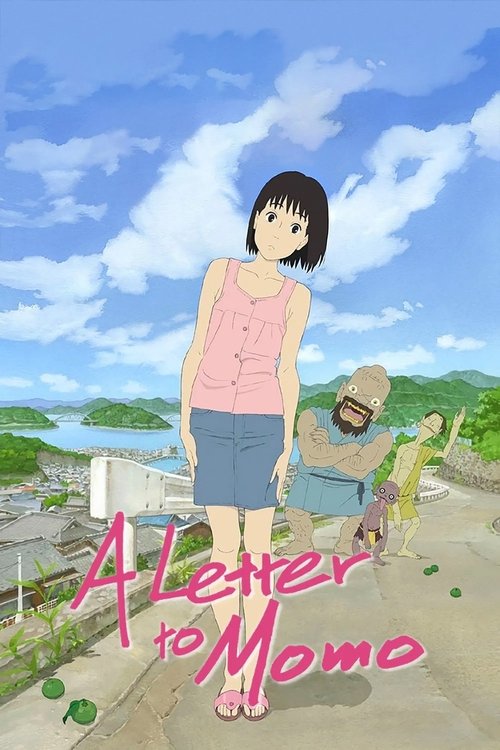
A Letter to Momo is a deeply personal, character-driven drama that prioritizes emotional realism. The film centers on a actively leading female protagonist, using her perspective to navigate the complexities of grief and transition. However, the narrative remains culturally and socially localized, focusing on rural Japanese life without delving into multi-layered identities or challenging traditional social hierarchies. Ultimately, the film is a traditional domestic study that emphasizes personal healing and the integration of the supernatural into everyday life.
Category Breakdown
The film centers on a young girl's journey through grief and relocation. It does not include any LGBTQ+ characters or explore non-cisgender identities.
Momo's emotional growth and her role in driving the story are highlighted. The narrative emphasizes the resilience and emotional intelligence of female characters, particularly her mother and grandmother.
Set in rural Japan, the film features a cast that reflects a homogeneous Japanese population. It focuses on a culturally singular story without exploring multi-ethnic or multi-layered identities.
The story examines themes of grief and rural life through a secular lens. Supernatural elements are treated as part of the protagonist's psyche rather than religious icons.
The film does not depict explicit physical or neurodivergent disabilities. However, it offers a nuanced portrayal of psychological distress and the emotional impact of loss.
Present on Screen
Limited or Absent
Official Synopsis
A shy 11-year-old's life takes a strange turn when she discovers three hungry goblins living in the attic of her new house. She misses her old life. She misses her father so very much. Until she makes some new ghoulish friends.
2010

2017
2018
2022

2014

2011
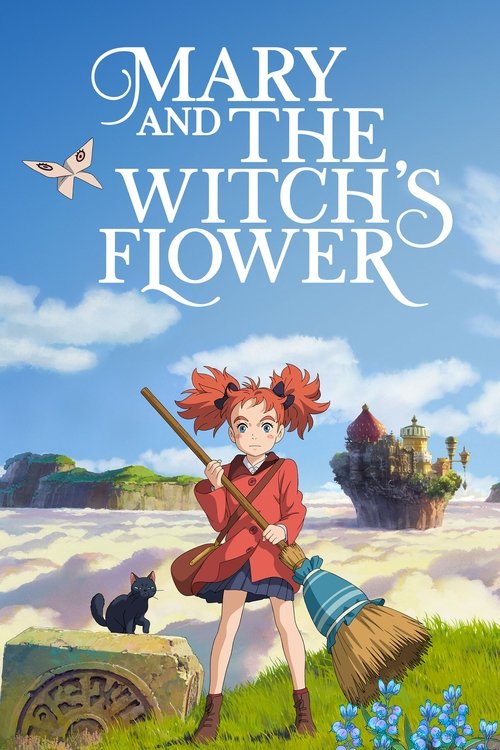
2017
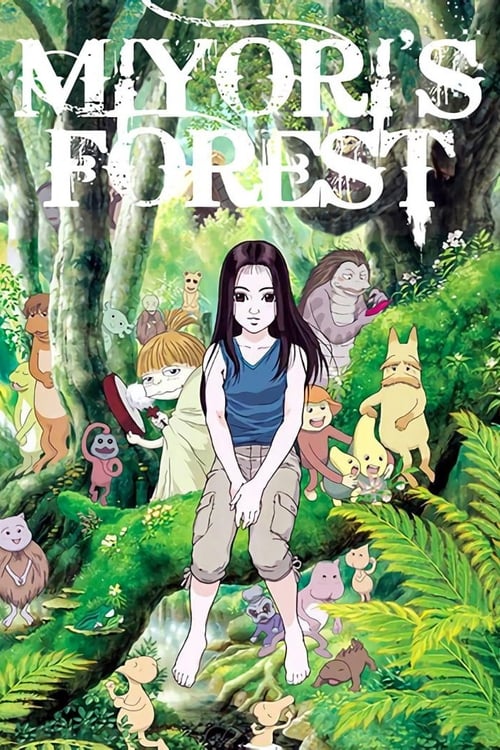
2009
No reviews yet. Be the first to share your thoughts on this movie!
Use the rating form above to leave a star rating and optional review.