My Neighbor Totoro
1988
No user ratings available yet
Representation score: 5.9 out of 10
Representation Score
Good
2010
GDirector
Hiromasa Yonebayashi
Runtime
94 minutes
Average Rating
No ratings yetNew Showbiz Analysis
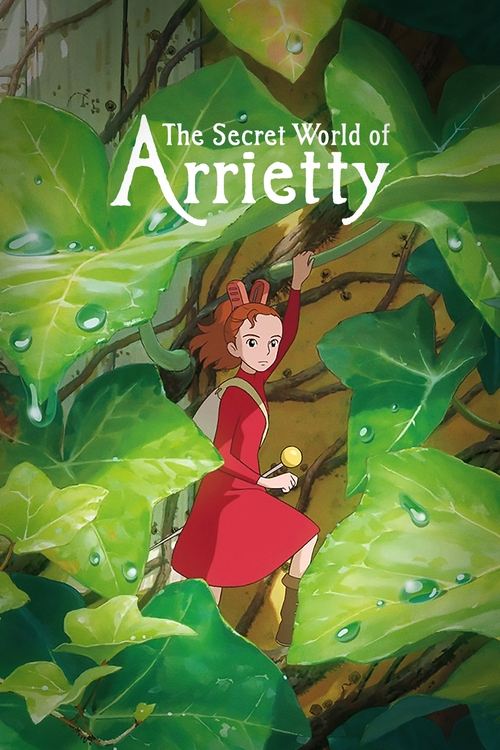
The film stands out by placing a resourceful female lead at its center, challenging traditional gender roles. It also provides a nuanced critique of consumerist culture through the lens of the Borrower subculture. However, the film lacks explicit LGBTQ+ characters and multi-ethnic diversity, staying within a culturally specific setting. While the Borrowers serve as a metaphor for underrepresented groups, the cast itself lacks racial variety. Overall, the work successfully challenges human-centric views by validating the survival strategies of a hidden, non-dominant group, giving them complex moral depth.
Category Breakdown
The film does not include LGBTQ+ characters or explore non-straight relationships. The main relationship between Arrietty and Sho is based on curiosity and friendship without addressing sexual orientation.
Arrietty is a strong female lead who drives the story with her resilience and independence. She avoids the damsel in distress cliché and takes charge of her own survival.
The film is set in a culturally specific, homogeneous Japanese environment. It does not showcase diverse racial backgrounds but uses the Borrower subculture as a metaphor for underrepresented groups.
The movie critiques consumerism by showing Borrowers repurposing discarded human objects. This highlights a sustainable relationship with the environment compared to the wasteful dominant human society.
Sho is shown with physical frailty and a focus on mortality. The film handles his condition with nuance, emphasizing his emotional state rather than relying on pity.
Present on Screen
Limited or Absent
Official Synopsis
14-year-old Arrietty and the rest of the Clock family live in peaceful anonymity as they make their own home from items "borrowed" from the house's human inhabitants. However, life changes for the Clocks when a human boy discovers Arrietty.
1988
2012
2017

2017

2011
2022
2010
2010
No reviews yet. Be the first to share your thoughts on this movie!
Use the rating form above to leave a star rating and optional review.