
We All Loved Each Other So Much
1974
No user ratings available yet
Representation score: 6.0 out of 10
Representation Score
Fair
1981
Director
Jean-Charles Tacchella
Runtime
105 minutes
Average Rating
No ratings yetNew Showbiz Analysis
Jean-Charles Tacchella’s drama examines the tension between personal desires and societal structures through the experiences of three longtime friends. The film excels in challenging traditional gender roles, especially through its depiction of female-led biological and social autonomy. However, the film falls short in terms of racial and LGBTQ+ representation. The narrative focuses on a relatively homogeneous group, emphasizing interpersonal dynamics within a specific socioeconomic context rather than a diverse range of identities. Ultimately, the work serves as a progressive exploration of evolving social paradigms. It prioritizes a deep examination of how women navigate business, friendship, and unconventional parenthood over broad demographic variety.
Category Breakdown
The film does not focus on queer identities or same-sex relationships. Instead, it reconfigures traditional heterosexual structures without emphasizing non-binary gender identities.
The story challenges traditional domestic roles by centering a protagonist who pursues motherhood through artificial insemination. This highlights female autonomy in child-rearing and disrupts patriarchal hierarchies.
The cast appears relatively uniform, reflecting the specific social class of the time period. There is no indication of significant racial or ethnic diversity in the narrative.
The film questions conventional Western institutions such as the nuclear family. It prioritizes individual freedom and alternative family structures over strict adherence to traditional social norms.
There is no documented evidence of physical or neurodivergent disabilities being portrayed in the main storyline of the film.
Present on Screen
Limited or Absent
Official Synopsis
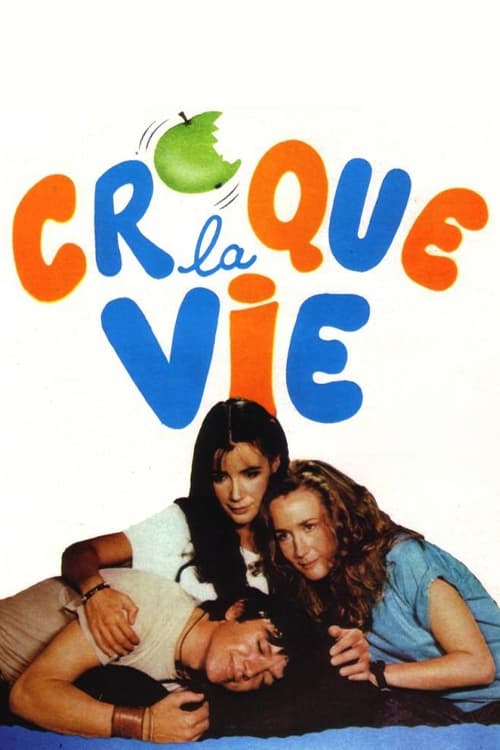
Friendships and business do not mix, that's what we find with Theresa, Catherine and Alain, three longtime friends. Freshly graduated, they decided to start their own business, but work is scarce and a fight breaks out between the trio. Separated, married and scattered all over France, the once inseparable trio no longer keep in touch. But four years later, they decided to organize a big party for their reunion which serves as an opportunity for them to put things right and confess everything they have in their hearts.
1974
1988
1998
1995
2011

2014
2018
2013
No reviews yet. Be the first to share your thoughts on this movie!
Use the rating form above to leave a star rating and optional review.