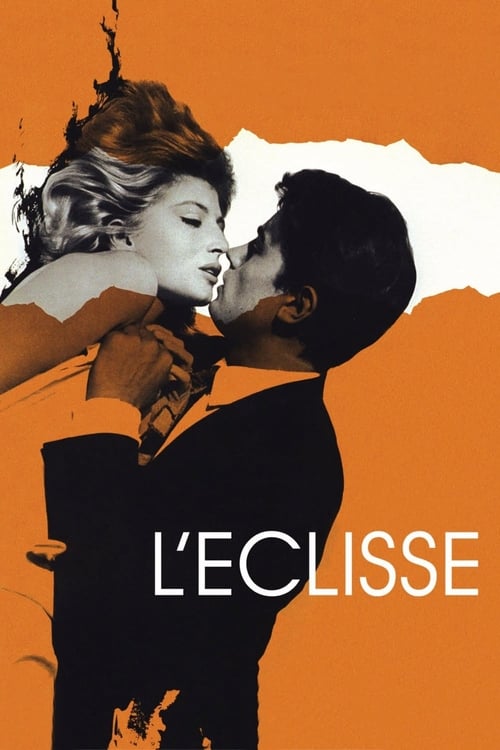
L'Eclisse
1962
No user ratings available yet
Representation score: 3.0 out of 10

Representation Score
Good
1977
NRDirector
Ettore Scola
Runtime
106 minutes
Average Rating
No ratings yetNew Showbiz Analysis
Ettore Scola’s drama uses a historical backdrop to explore individual isolation under systemic oppression. The film's strength lies in its ability to deconstruct stereotypes, especially through its nuanced portrayal of women's roles in a patriarchal society. While limited by its historical context, which results in low racial and LGBTQ+ representation, the film avoids being a simple period piece. Instead, it uses the era's constraints to highlight struggles for dignity against oppressive authority.
Category Breakdown
The film doesn't explicitly include LGBTQ+ identities or non-straight relationships. However, it highlights the emotional bond and friendship between the two main characters.
The story challenges traditional gender roles by showing how women are trapped in restrictive environments. Antonietta is given significant emotional depth and a strong role in driving the narrative.
Set in 1938 Rome, the film accurately reflects the demographic uniformity of that time. The lack of diversity is due to historical accuracy rather than intentional exclusion.
The film criticizes the Fascist state and the restrictive social norms of the era. It portrays traditional family structures and state control as isolating forces.
There are no prominent depictions of physical or neurodivergent disabilities. The film explores themes of psychological isolation and emotional scars as part of the human experience.
Present on Screen
Limited or Absent
Official Synopsis
Two neighbours — a persecuted journalist and a resigned housewife — forge a strong bond on the day of Adolf Hitler's historic 1938 visit to Rome.
1962
1961
1962

1966
1961

1945
1986

2002
No reviews yet. Be the first to share your thoughts on this movie!
Use the rating form above to leave a star rating and optional review.