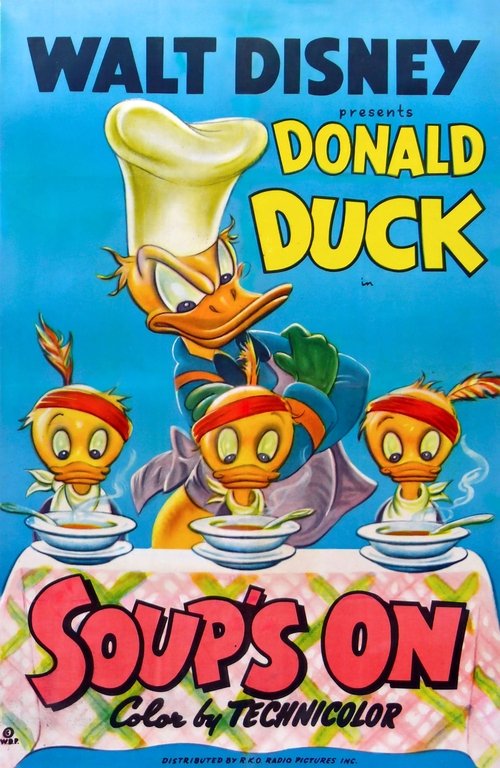
Soup's On
1948
No user ratings available yet
Representation score: 0.4 out of 10
Representation Score
Minimal
1941
NRDirector
Jack King
Runtime
7 minutes
Average Rating
No ratings yetNew Showbiz Analysis
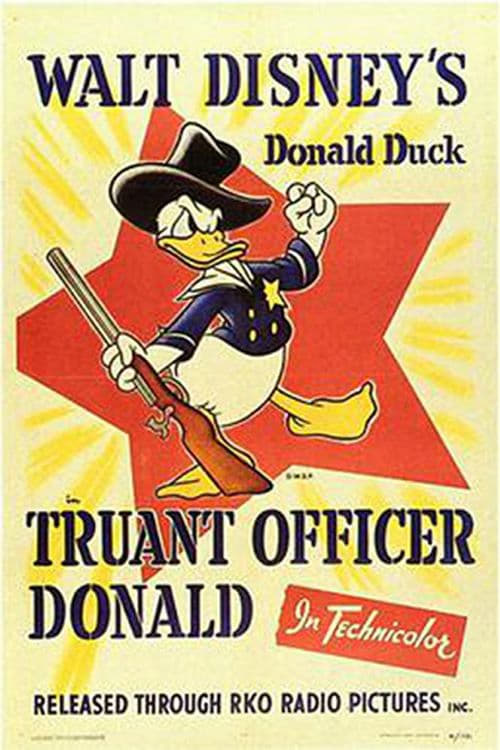
Truant Officer Donald operates within a traditionalist framework that prioritizes slapstick comedy over social complexity. The narrative centers on a localized conflict between a male authority figure and his nephews, reinforcing established social hierarchies. The film lacks depth in representing diverse racial, gendered, or LGBTQ+ identities. It adheres to the conventional, homogeneous casting and moral structures typical of 1941 American animation. While technically proficient in its animation, the work upholds the status quo of its time rather than challenging or subverting any systemic norms.
Category Breakdown
The film does not include any characters or themes related to LGBTQ+ identities or non-cisgender narratives. The story focuses solely on a traditional conflict between an authority figure and children.
The narrative revolves around male characters, particularly Donald and his nephews. It relies on masculine archetypes of authority and youthful mischief without any female presence.
The cast reflects the homogeneous casting standards of 1941. There is no indication of a multi-ethnic cast or diverse character representation within this domestic setting.
The film upholds Western institutional values regarding school attendance and social order. Religious iconography, such as an angel, is used humorously to deceive.
There is no information available regarding the depiction of physical, sensory, or neurodivergent characters in this short.
Present on Screen
Limited or Absent
Official Synopsis
Donald catches his nephews swimming on a school day. He thinks he's made an easy catch, but the boys are much more resourceful than that. When he tries to smoke them out of their clubhouse, they put three roast turkeys in their bed and dress one boy as an angel.
1948
1938
1938
1939
1942
1939
1940
1938
No reviews yet. Be the first to share your thoughts on this movie!
Use the rating form above to leave a star rating and optional review.