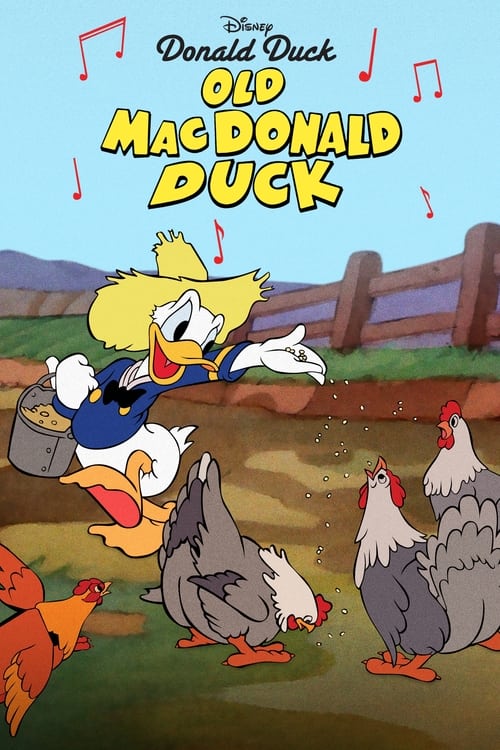
Old MacDonald Duck
1941
No user ratings available yet
Diversity score: 0.8 out of 10
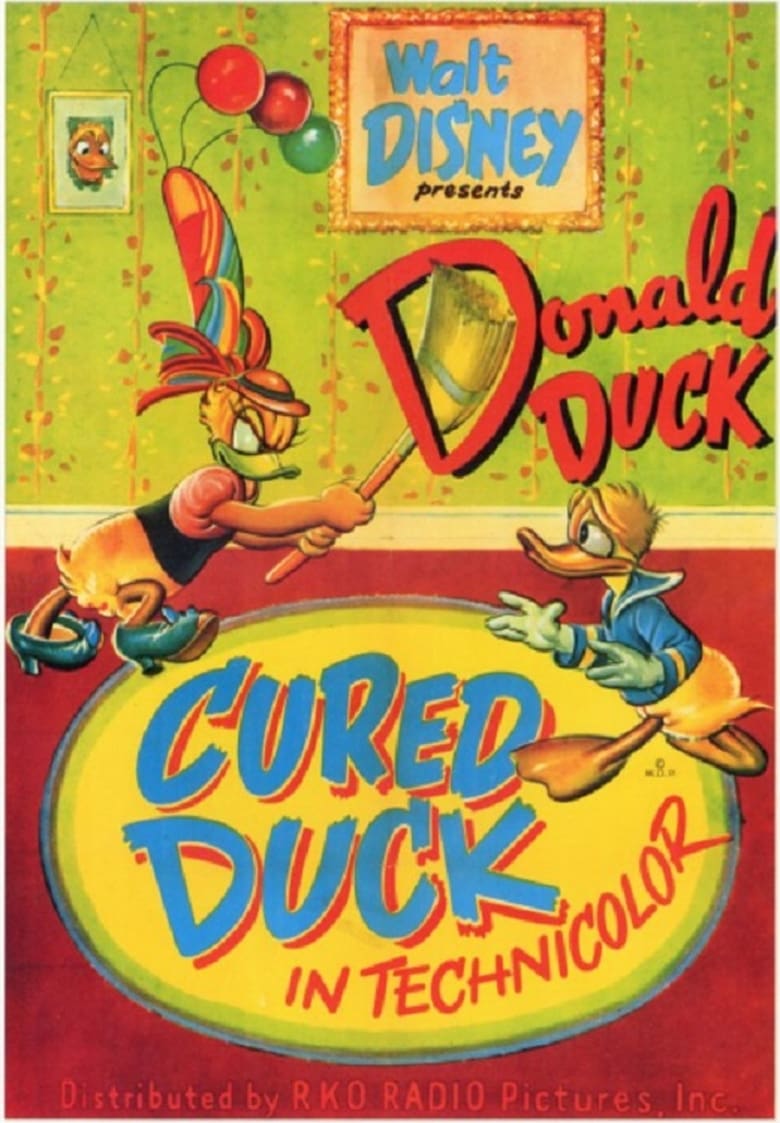
1945
NRDirector
Jack King
Runtime
7 minutes
Average Rating
No ratings yetSynopsis
Donald visits Daisy. When he can't open a window, he flies into a rage and practically destroys her house. She won't see him again until he takes care of that temper. He orders a mail-order insult machine, which promises that if Donald can endure 10 minutes of abuse without losing his temper, he'll be cured. It proceeds to deliver physical and verbal abuse, and Donald is cured. He goes back and Daisy tests him on the balky window.
Overall Score
Minimal
Category Breakdown
LGBTQ+ Representation
The film centers on a conventional heteronormative romance between Donald and Daisy. It lacks any representation of non-cisnormative identities or critiques of traditional romantic tropes.
Gender Representation
Daisy acts as a moral disciplinarian, setting boundaries for Donald's behavior. While she exerts agency, the narrative reinforces a traditional dynamic where the female manages the male's emotional stability.
Racial & Ethnic Diversity
The cast consists entirely of anthropomorphic animals, avoiding human racial stereotypes. However, this also means there is no intentional representation of diverse ethnic or racial identities.
Religious & Cultural Diversity
The story promotes a traditional moral framework focused on self-control and social decorum. It reinforces conventional social values through a narrative of behavioral reform and discipline.
Disability Representation
Donald's emotional dysregulation is used primarily as a comedic device. The film treats his temper through slapstick rather than offering a nuanced exploration of neurodivergence or mental health.
Strengths
Areas for Improvement
AI Analysis
Cured Duck is a product of the 1940s studio system, prioritizing slapstick comedy and established character archetypes over social subversion. The narrative relies on traditional gender roles and a narrow, heteronormative romantic structure. The film lacks any meaningful representation of race, ethnicity, or LGBTQ+ identities, utilizing anthropomorphic characters to maintain a homogeneous, Western-centric worldview. While it touches on behavioral issues, these are framed as comedic flaws rather than serious depictions of disability. Ultimately, the short functions as a standard moral fable about temperament. It reinforces mid-century social norms and domestic hierarchies rather than challenging them.
1941
1940
1941
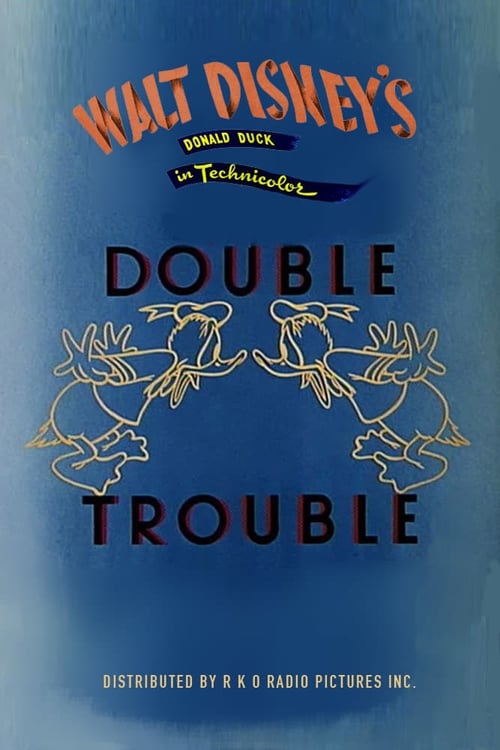
1946
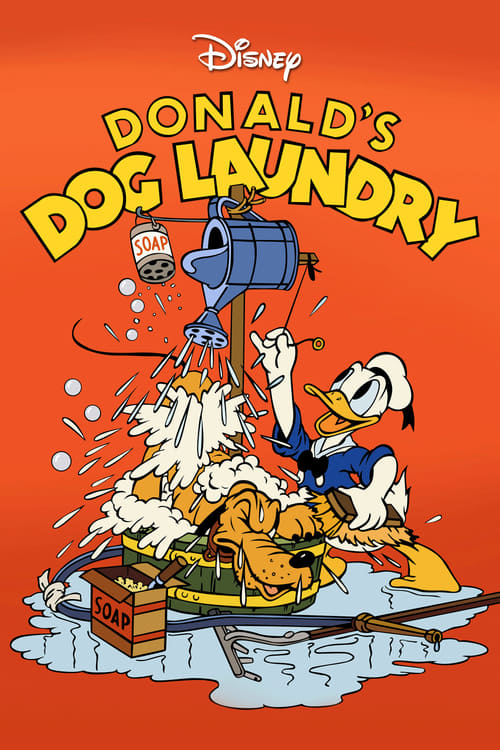
1940
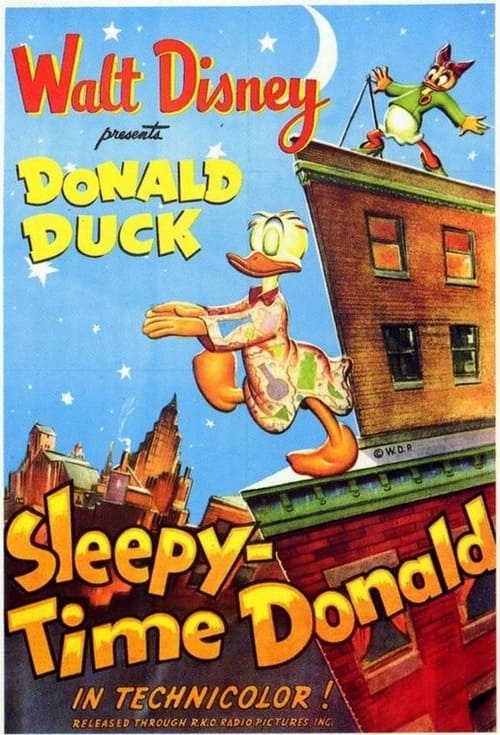
1947
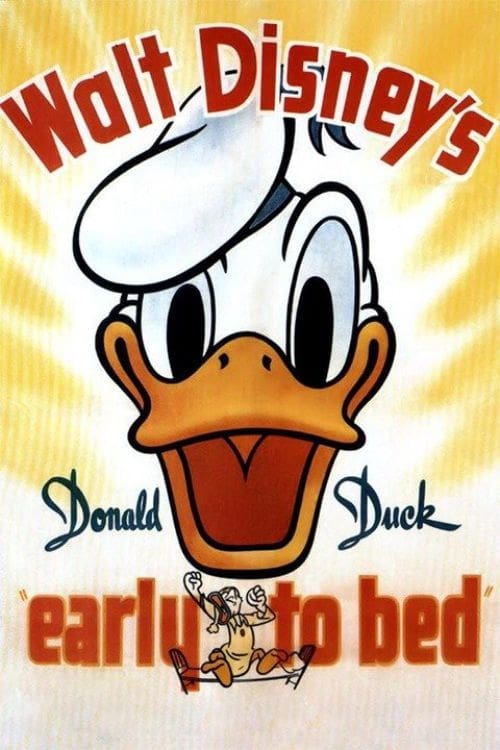
1941
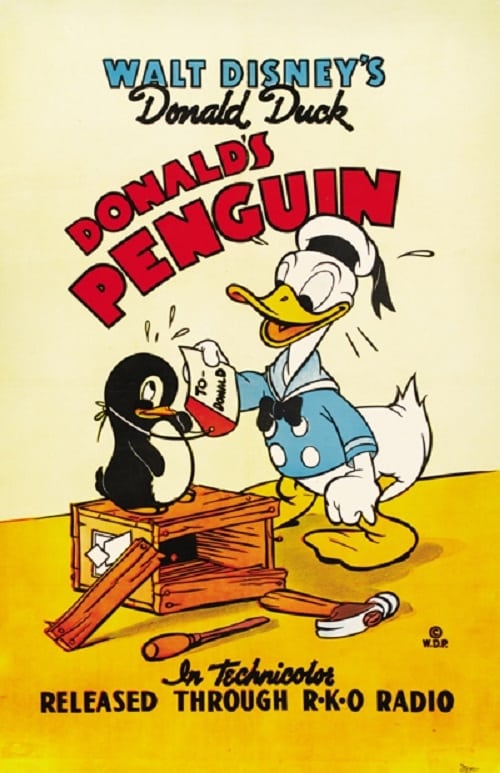
1939
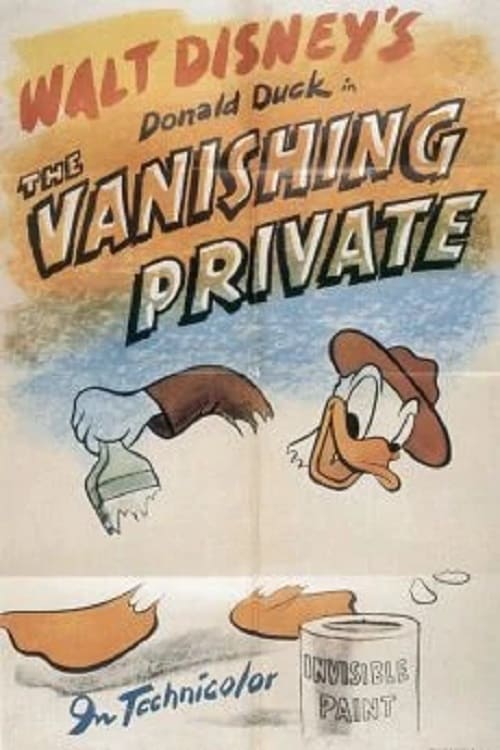
1942
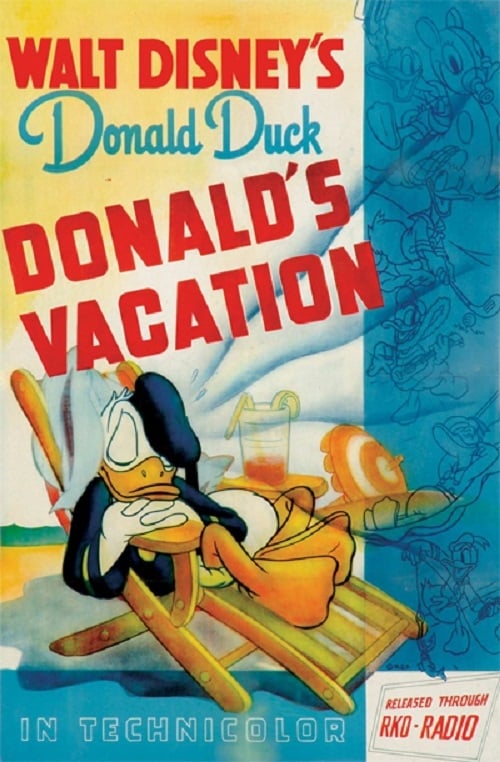
1940
1938
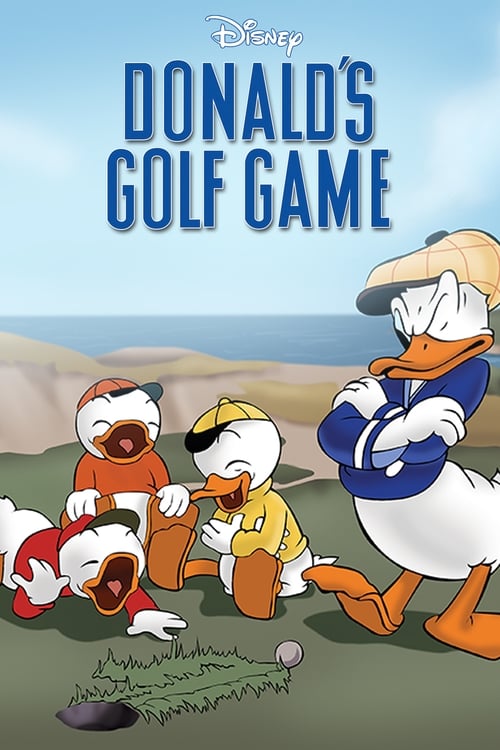
1938
No reviews yet. Be the first to share your thoughts on this movie!
Use the rating form above to leave a star rating and optional review.