
Happy Ever After
1954
No user ratings available yet
Diversity score: 2.6 out of 10
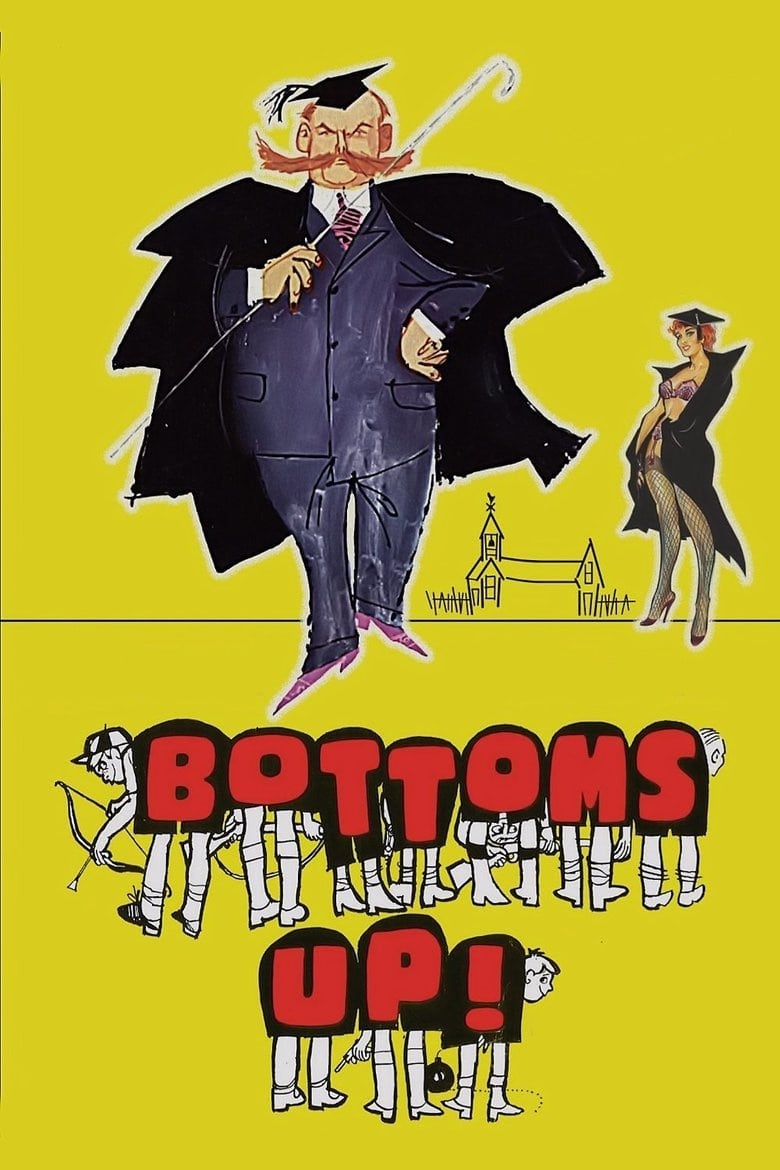
1960
Director
Mario Zampi
Runtime
90 minutes
Average Rating
No ratings yetSynopsis
An incompetent boarding school headmaster, Professor Jim Edwards, devises a bizarre plot to raise the profile of his boarding school, and thus save his job, by passing off his bookie's son as a Middle Eastern prince. The headmaster's madcap scheme is further complicated when an official from the Foreign Office arrives and announces that a real prince is to be placed under Edwards supervision, not due to the schools lofty reputation, but that a gang of kidnappers are unlikely to look for the regal child there.
Overall Score
Limited
Category Breakdown
LGBTQ+ Representation
The film lacks any discernible inclusion of queer identities. There is no evidence of non-cisnormative characters or narratives that critique heteronormativity.
Gender Representation
The story centers on male-driven agency and the preservation of traditional educational hierarchies. The comedy stems from situational incompetence within a male-dominated setting rather than subverting gender roles.
Racial & Ethnic Diversity
A Middle Eastern prince serves as a central plot device for deception. This reliance on exoticism risks reinforcing colonial-era tropes regarding the perceived otherness of non-Anglo-Saxon identities.
Religious & Cultural Diversity
The narrative operates within a framework of traditional Western institutionalism. It focuses on maintaining social status and prestige within a British boarding school setting.
Disability Representation
There are no visible or invisible disabilities depicted in the narrative. Consequently, no assessment of agency or trope usage can be made.
Strengths
Areas for Improvement
AI Analysis
Bottoms Up! is a mid-century farce that prioritizes situational comedy over intersectional depth. The narrative architecture is built around maintaining social hierarchies and traditional institutional structures. While the plot introduces non-Anglo-Saxon elements, they function primarily as tools for deception rather than meaningful representation. The film reflects the conventional social and demographic norms of 1960s British cinema. Ultimately, the work avoids disrupting or deconstructing systemic norms, opting instead for lighthearted escapism through established comedic tropes.
1954
1959
1960

1965

1966
1963
1959
1967
1950

1977
1957
1956
No reviews yet. Be the first to share your thoughts on this movie!
Use the rating form above to leave a star rating and optional review.