
Jack Frost
1979
No user ratings available yet
Representation score: 0.4 out of 10
Representation Score
Minimal
1980
Not RatedDirector
Jules Bass, Arthur Rankin, Jr.
Runtime
49 minutes
Average Rating
No ratings yetNew Showbiz Analysis
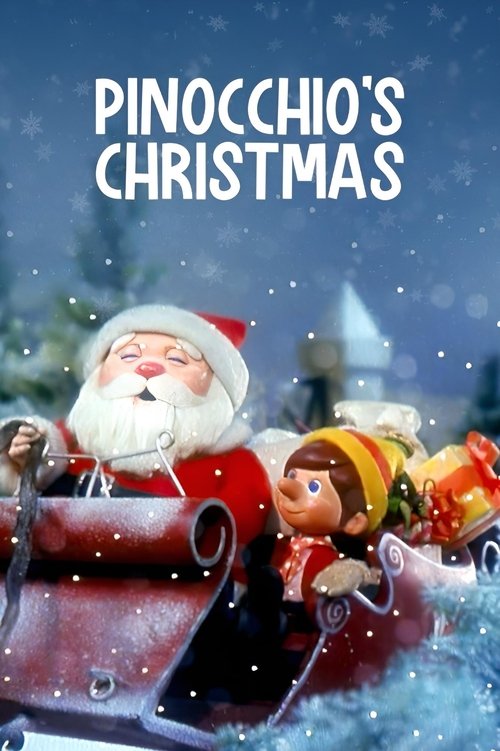
Pinocchio's Christmas is a prime example of traditional holiday media. The story focuses on classical storytelling and sentimental values rather than exploring diverse identities. The production upholds established cultural norms and moral hierarchies. By emphasizing universal themes of family and seasonal morality, the film avoids modern social critiques and diverse identity issues. Overall, the film reinforces conventional social structures, sticking to the standards of mid-20th-century Western animation.
Category Breakdown
The story follows a traditional framework where everyone is assumed to be straight. The main romance between Pinocchio and Julietta follows a typical courtship and marriage storyline.
Characters follow traditional fairy tale roles. The Blue Fairy, for instance, acts as a guiding maternal figure, a common archetype in classic stories.
The stylized fairytale world does not show specific racial or ethnic backgrounds. The character designs reflect mid-20th-century Western animation styles, creating a mostly uniform look.
The film is centered around Western holiday traditions. It emphasizes traditional institutions like the nuclear family and the importance of Christmas customs.
There is no visible representation of physical, sensory, or neurodivergent disabilities. Characters fit within typical animated fantasy roles.
Present on Screen
Limited or Absent
Official Synopsis
As Geppetto prepares for Christmas, Pinocchio joins a puppet show to earn money for a present. There he meets and elopes with the beautiful girl puppet, Julietta, leaving Geppetto alone and worried.
1979
1976
1967
1974
1979
1964
1976

1987
No reviews yet. Be the first to share your thoughts on this movie!
Use the rating form above to leave a star rating and optional review.