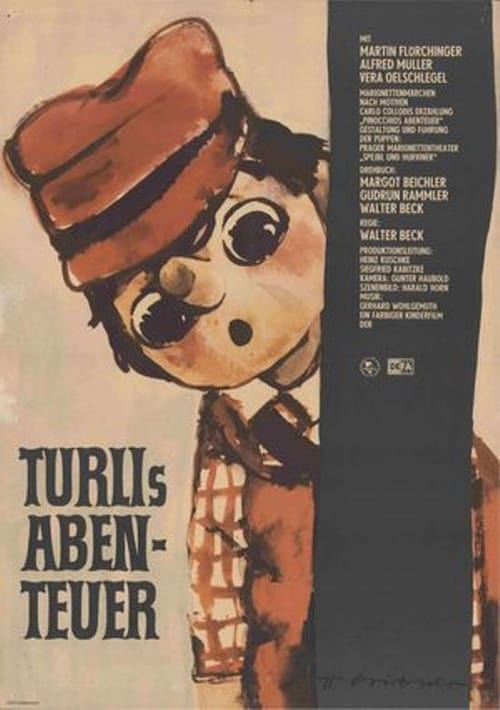
Pinocchio
1967
No user ratings available yet
Representation score: 2.5 out of 10
Representation Score
Fair
1976
Director
Sid Smith, Ron Field
Runtime
78 minutes
Average Rating
No ratings yetNew Showbiz Analysis
This 1976 musical adaptation is a transitional piece in television history. It blends a classic European fairy tale structure with progressive casting choices that were significant for the era. The film’s strength lies in its ability to disrupt traditional gender roles through its theatrical framing and its commitment to racial diversity via high-profile performers. These elements add depth beyond typical period productions. However, the production remains tied to traditional Western storytelling. It prioritizes conventional moral lessons and patriarchal dynamics, which limits its impact on modern characters who reflect more than one aspect of diversity.
Category Breakdown
The film does not include any explicit LGBTQ+ characters or stories. It sticks to the traditional family structures typical of 1970s musicals.
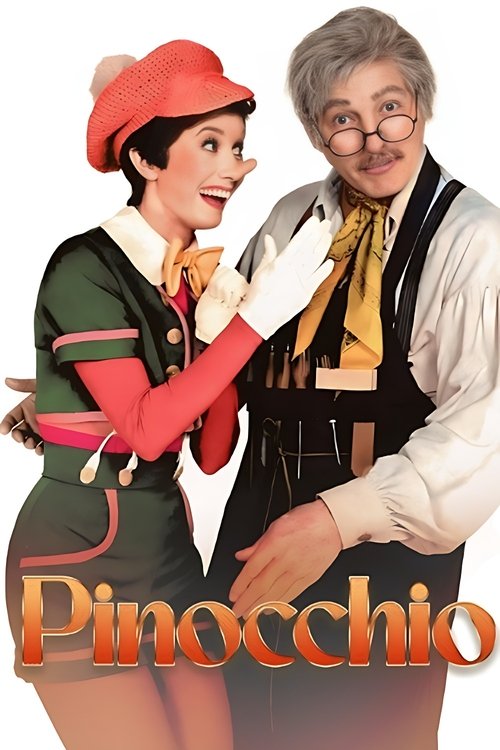
A meta-theatrical framing lets a female lead take on the role of Pinocchio, breaking traditional gender roles. However, the main story still follows classic patriarchal structures.
Casting Flip Wilson adds meaningful racial diversity to a 1970s television musical. This inclusion goes beyond the usual homogeneous casting practices of the time.
The film emphasizes conventional Western morals and traditional values. It focuses on themes of discipline and responsibility without challenging Western institutions.
The film does not feature any visible or invisible disabilities as central to the character arcs or plot progression.
Present on Screen
Limited or Absent
Official Synopsis
This musical adaptation of Pinocchio from 1976 features the incomparable talents of Danny Kaye, Sandy Duncan, Flip Wilson, and Clive Revill. Framed by the story of a young theater girl's desire to study and work apart from her father, the story of Pinocchio is presented as a subplay with the young girl as Pinocchio (Sandy Duncan) and her father as Geppetto (Danny Kaye). The famous Carlo Collodi story of a lonely woodcutter whose marionette comes to life is presented faithfully and engagingly.
1967
1970
1980
1940
1947

2019
2000

2022
No reviews yet. Be the first to share your thoughts on this movie!
Use the rating form above to leave a star rating and optional review.