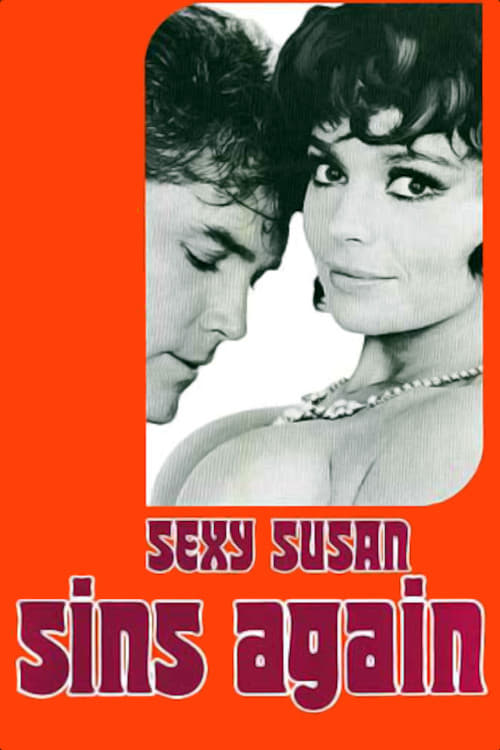
Sexy Susan Sins Again
1968
No user ratings available yet
Representation score: 1.4 out of 10
Representation Score
Fair
1969
Director
Franz Antel
Runtime
98 minutes
Average Rating
No ratings yetNew Showbiz Analysis
House of Pleasure is a product of the 1969 European erotic comedy genre, prioritizing hedonism over traditional moral instruction. While it lacks diverse representation, it offers a notable subversion of gender roles through its female lead. The film's strength lies in its portrayal of female empowerment within a patriarchal setting. However, it remains limited by the era's production standards, resulting in a lack of racial, LGBTQ+, and disability representation. Ultimately, the film critiques social stability by framing infidelity and hedonism as central human experiences rather than purely punitive acts.
Category Breakdown
The film focuses on heterosexual conquests and aristocratic intrigue. It does not include any non-binary gender identities or same-sex relationships.
Susanna demonstrates a significant role in driving the story, navigating high-society power dynamics with skill. Her use of sexual empowerment challenges the cliché of the submissive period-piece heroine.
The cast is predominantly white and homogeneous. There is no effort to diversify the historical setting through race-bent casting.
The narrative centers on aristocratic decadence and sexual excess, challenging traditional Western institutions like family and religious morality through a lens of moral relativism.
There is no evidence of characters with visible or invisible disabilities being portrayed with ability to act. Physical or mental vulnerabilities are not explored.
Present on Screen
Limited or Absent
Official Synopsis
Susanna travels to Paris with her small group of actors. There she saves Emperor Napoleon from rather painful predicaments, uncovers a number of nasty court intrigues and finds, with much skill and ability, the man of her choice.
1968

1964
1967

1979
1973
1996
1968

1977
No reviews yet. Be the first to share your thoughts on this movie!
Use the rating form above to leave a star rating and optional review.