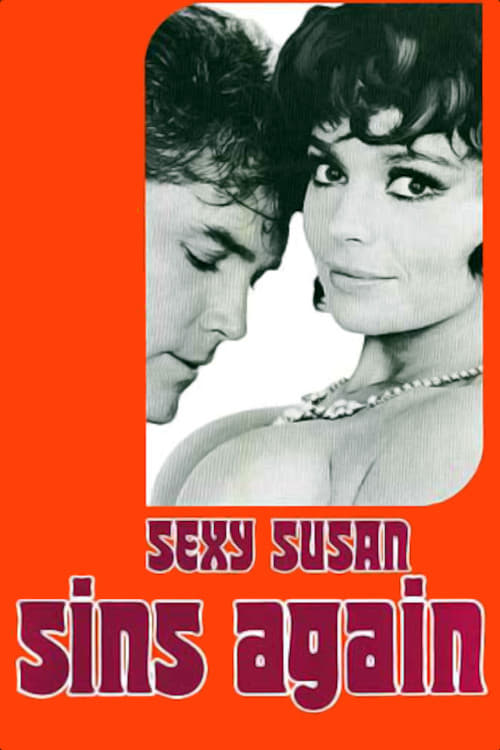
Sexy Susan Sins Again
1968
No user ratings available yet
Representation score: 1.4 out of 10
Representation Score
Minimal
1967
Director
Franz Antel
Runtime
90 minutes
Average Rating
No ratings yetNew Showbiz Analysis
The Sweet Sins of Sexy Susan is a product of its era, functioning as a lighthearted European commercial comedy. It prioritizes escapism and traditional genre clichés over any meaningful social critique or the subversion of established power dynamics. While the film places a woman at its center, the character of Suzanne is framed through her physical appeal to a male audience. This reliance on sexualized clichés limits the depth of gender representation. Ultimately, the film adheres to the homogeneous social and cinematic conventions of 1960s Germany, offering little in the way of diverse perspectives or underrepresented identities.
Category Breakdown
The film follows traditional 1960s romantic frameworks and does not include any LGBTQ+ characters or narratives that question the assumption that everyone is straight.
Suzanne is a central figure, but she primarily serves as an object of desire. The focus on her undress suggests a reliance on the male gaze rather than giving her real depth.
The cast appears ethnically homogeneous, reflecting the localized German setting. There is no evidence of diverse casting or challenging Eurocentric norms.
The narrative engages with historical nationalist sentiments regarding French occupation. It prioritizes traditional social structures rather than anti-colonial or secularist themes.
The film contains no mention of characters with visible or invisible disabilities. No assessment of neurodivergence or physical impairments is possible.
Present on Screen
Limited or Absent
Official Synopsis
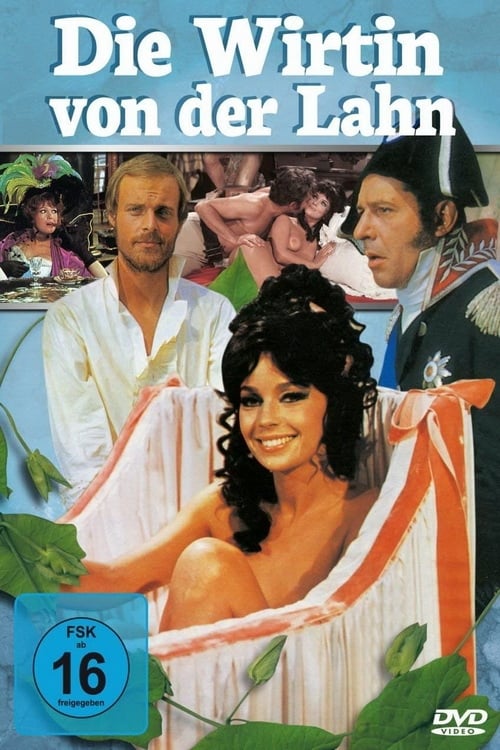
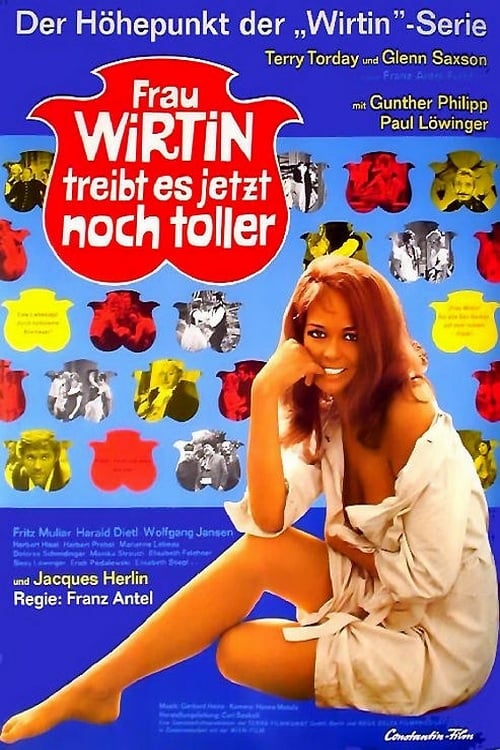
The literal English translation of the German-titled film here is "The Hostess of the Lahn." Suzanne (Terry Torday) is the beautiful redhead who runs an inn in the town of Giessen. She is the subject of many inspirational love songs by the student population. The lyrics also reflect the Germans' resentment and hostility toward the French occupation by the army of Napoleon. Suzanne appears in various stages of undress.
1968

1975

1970
1967
1970
1969
1975
1968
No reviews yet. Be the first to share your thoughts on this movie!
Use the rating form above to leave a star rating and optional review.