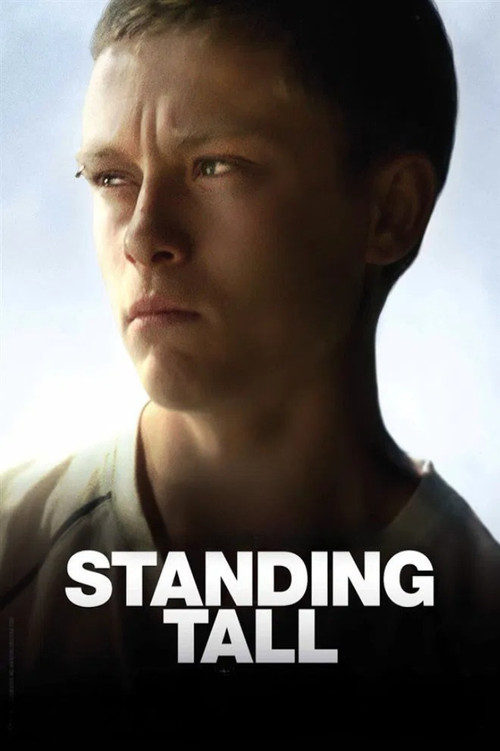
Standing Tall
2015
No user ratings available yet
Representation score: 6.6 out of 10
Representation Score
Good
2010
Director
Podz
Runtime
116 minutes
Average Rating
No ratings yetNew Showbiz Analysis
Podz directs a character study that prioritizes the psychological depth of social outsiders. The film functions as a critique of systemic failure, focusing on a child living on the periphery of traditional structures. While the narrative excels at deconstructing institutional authority, it lacks visible representation of multiple aspects of identity. The focus remains heavily on the male-centric relationship between a volatile child and his guardian. Ultimately, the film finds its purpose in exploring subjective morality and the limitations of state-run reform, rather than through a diverse cast of identities.
Category Breakdown
The film does not explicitly include LGBTQ+ identities or relationships that go beyond the assumption that everyone is straight or cisgender. The story focuses on the bond between a ward and his guardian.
The story centers on two male figures, Tommy and Gilles. While it avoids sanitized portrayals of youth, there is a lack of women's ability to drive the story, limiting gender diversity.
The synopsis does not provide details about the ethnic composition of the cast. The score reflects a potentially homogeneous setting typical of regional dramas.
The film critiques state-run social institutions by centering a protagonist labeled a danger by Social Services. It explores redemption through non-traditional, non-institutional frameworks.
Tommy’s history with Social Services suggests a focus on behavioral or psychological complexity. This potentially offers a nuanced look at neuro-socially divergent individuals.
Present on Screen
Limited or Absent
Official Synopsis
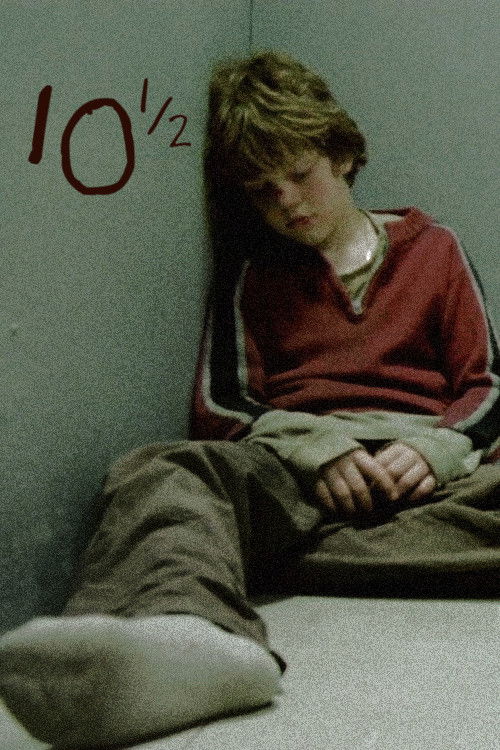
Tommy, 10 years old, is well known by Social Services. He is considered a danger to society. Gilles, his guardian at this halfway house, sees potential for redemption in this kid driven by violence.
2015

1938
2008
2002

2005

1980

2012
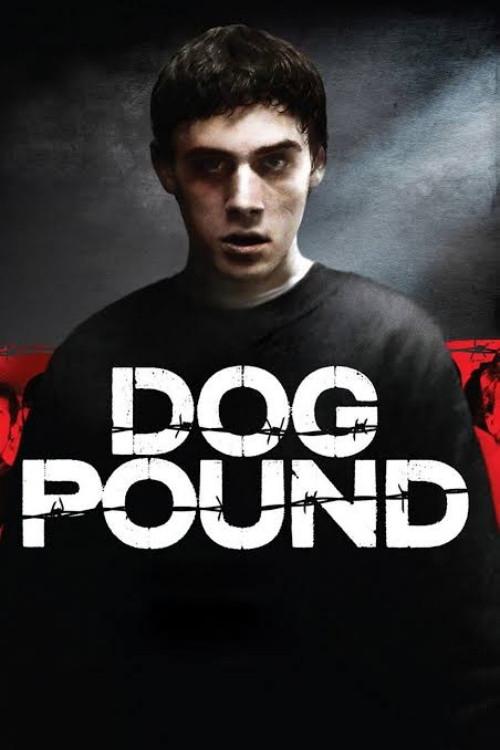
2010
No reviews yet. Be the first to share your thoughts on this movie!
Use the rating form above to leave a star rating and optional review.