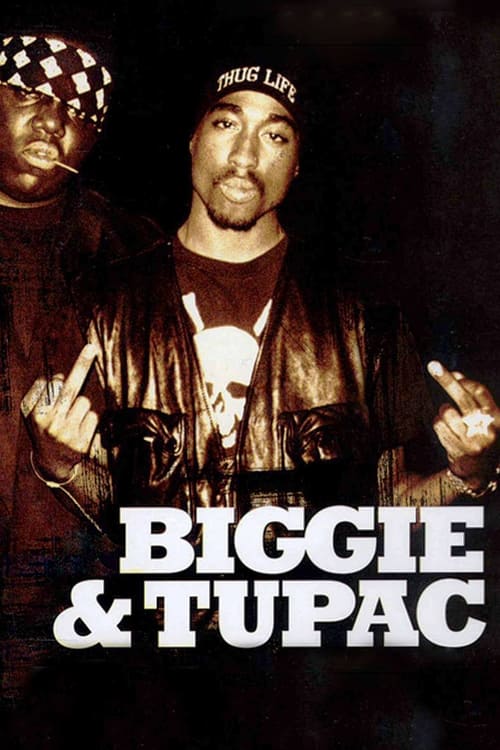
Biggie & Tupac
2002
No user ratings available yet
Representation score: 4.0 out of 10
Representation Score
Fair
2021
Director
Nick Broomfield
Runtime
105 minutes
Average Rating
No ratings yetNew Showbiz Analysis
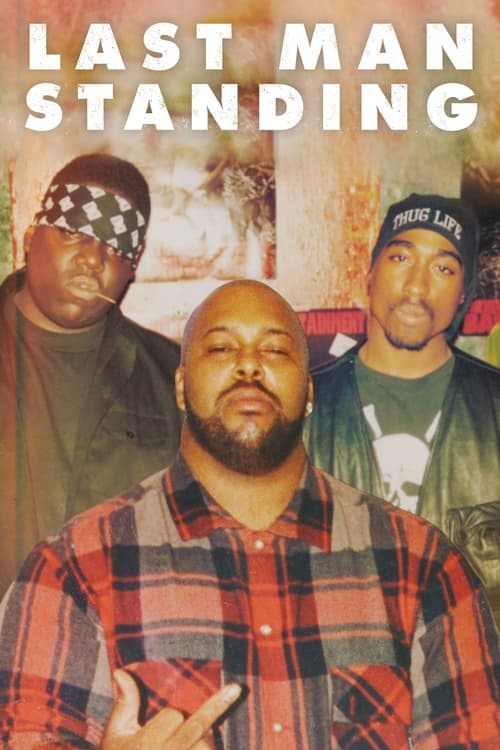
Last Man Standing succeeds as a culturally specific investigation that centers Black experiences within the hip-hop industry. By focusing on the lived realities of urban Los Angeles and New York, it avoids the typical Anglo-centric lens found in mainstream crime documentaries. However, the film is heavily focused on hyper-masculine environments and patriarchal power structures. This results in very low representation for women and LGBTQ+ individuals. The narrative structure is built around male-dominated hierarchies, limiting its broader diversity impact. Ultimately, the documentary is a specialized study of a specific subculture. While it provides deep racial and systemic insights, its narrow focus on the power struggles of male figures limits its broader diversity impact.
Category Breakdown
The film focuses on the hyper-masculine environments of 1990s hip-hop and gang culture. There are no LGBTQ+ characters or narratives that challenge the assumption that everyone is straight.
The narrative primarily highlights the roles of male figures like Suge Knight and Tupac Shakur. It reflects the intense, male-dominated power dynamics and leadership prevalent in the era's rap hierarchies.
The documentary excels by centering Black American experiences and the socio-economic realities of urban Los Angeles and New York. It disrupts Anglo-centric crime documentary clichés by placing Black musicians at the narrative center.
The film offers a sophisticated critique of the intersection between capitalism and systemic corruption. It frames gang culture through the lens of systemic circumstances rather than simple moral condemnation.
There is no significant evidence that neurodivergence, physical disabilities, or mental health conditions are used as central narrative drivers or explored with specific ability to act.
Present on Screen
Limited or Absent
Official Synopsis
Last Man Standing takes a look at Death Row and how L.A.’s street gang culture had come to dominate its business workings, as well as an association with corrupt LA police officers who were also gang affiliated. It would be this world of gang rivalry and dirty cops that would claim the lives of the world’s two greatest rappers: Tupac Shakur and Biggie Smalls.
2002
2018
2017
2020
2025
2015

2016
2017
No reviews yet. Be the first to share your thoughts on this movie!
Use the rating form above to leave a star rating and optional review.