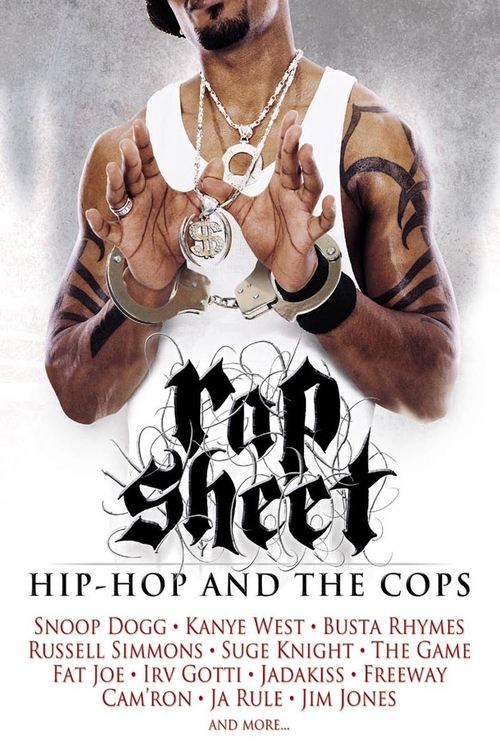
Rap Sheet: Hip-Hop and the Cops
2006
No user ratings available yet
Diversity score: 7.3 out of 10

2017
Director
Richard Bond
Runtime
139 minutes
Average Rating
No ratings yetSynopsis
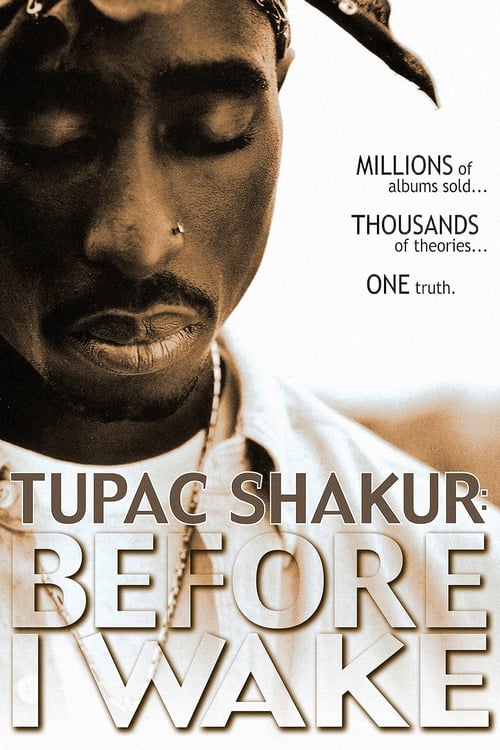
The unsolved murders of Tupac Shakur and Christopher "Biggie Smalls" Wallace still stir the public's imagination after 20 years. Yet law enforcement has been at a standstill to produce results. The producers of "American Federale" and the first two "Assassination" films, finally unravel the tangled cases and expose not only who may have done it, but also why these cases have never seen justice. Battle For Compton" is the story of "The Machine"; a group of high powered individuals with a very dark secret they killed to keep, and have spent the last 20 years hiding- hoping one day it will all go away- before they do.
Overall Score
Fair
Category Breakdown
LGBTQ+ Representation
The film lacks LGBTQ+ characters or narratives addressing non-cisnormative identities. The focus remains strictly on hip-hop era investigations and institutional misconduct.
Gender Representation
The documentary centers on the male-dominated landscape of 1990s hip-hop. While it critiques patriarchal institutional power through its focus on 'The Machine,' it lacks specific character-driven gender subversion.
Racial & Ethnic Diversity
The film centers on Black cultural history and the lived experiences of Black icons. It critiques racialized systemic outcomes by investigating why justice was withheld from these figures.
Religious & Cultural Diversity
The narrative demonstrates skepticism toward Western institutions like law enforcement. It challenges the integrity of established social orders by framing the state as an entity that obstructs justice.
Disability Representation
There is no discernible evidence regarding the representation of physical or neurodivergent disabilities within the film's context.
Strengths
Areas for Improvement
AI Analysis
The documentary succeeds as a critique of systemic power, specifically examining how institutional opacity impacts marginalized communities. By centering on the deaths of Tupac Shakur and Biggie Smalls, it provides a platform for Black cultural history and challenges the perceived integrity of law enforcement. However, the film is narrow in its scope. It offers no representation for LGBTQ+ or disabled individuals, focusing instead on a specific investigative niche. The narrative is heavily weighted toward the socio-political landscape of the 1990s hip-hop era. Ultimately, the work functions as a specialized interrogation of authority. It trades broad demographic representation for a deep, critical look at how 'The Machine' preserves power hierarchies at the expense of justice.
2006
2023
2006
2009
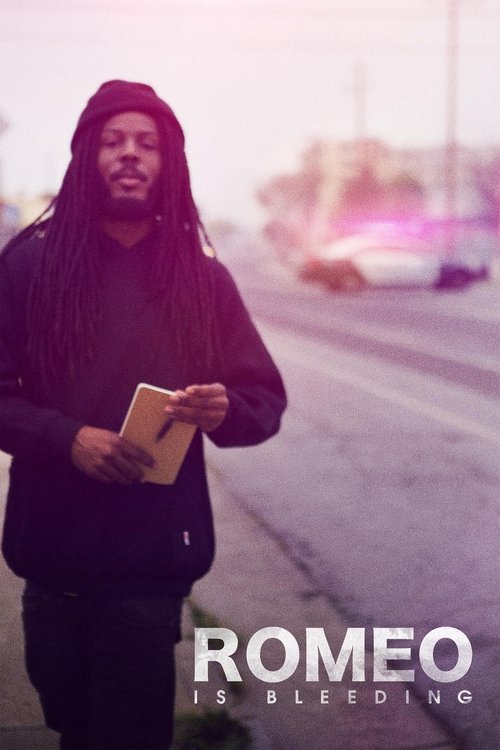
2017
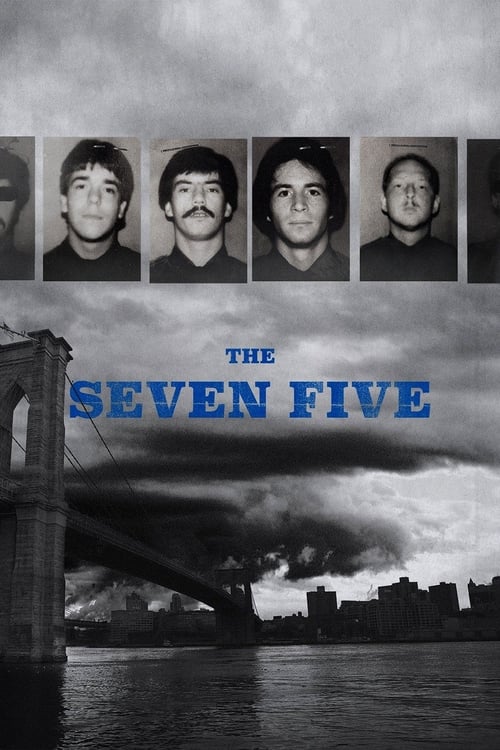
2015
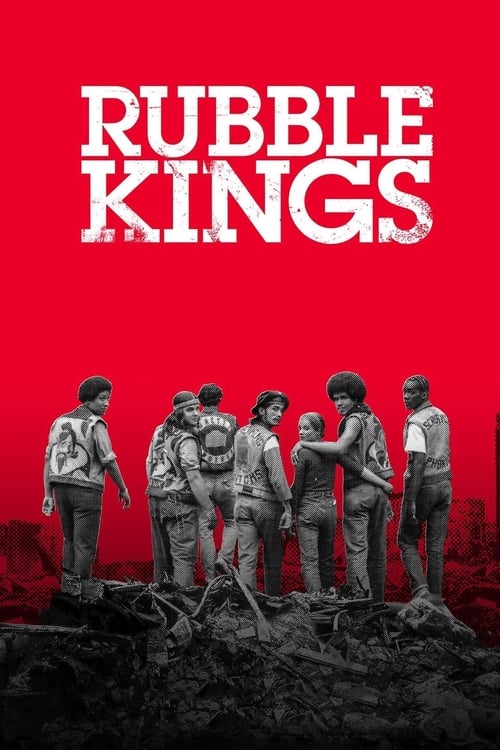
2015
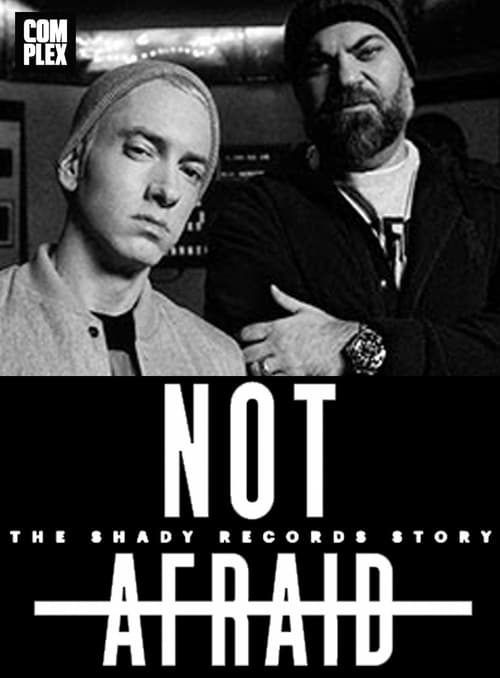
2015
2022
2012
2001
2006
No reviews yet. Be the first to share your thoughts on this movie!
Use the rating form above to leave a star rating and optional review.