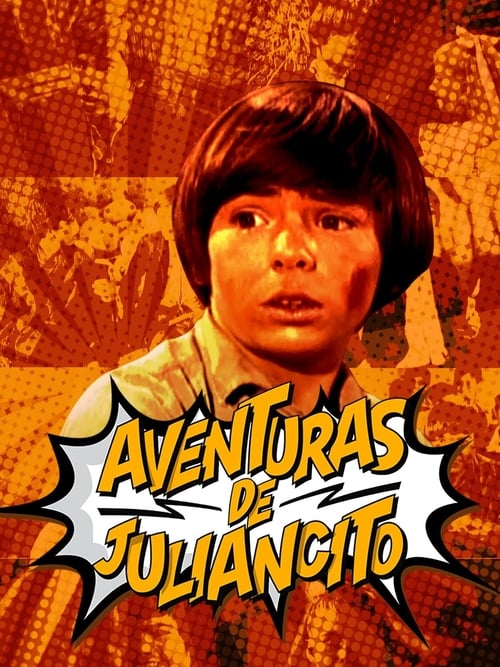
Adventures of Juliancito
1969
No user ratings available yet
Representation score: 3.7 out of 10
Representation Score
Limited
1980
Director
Rubén Galindo
Runtime
93 minutes
Average Rating
No ratings yetNew Showbiz Analysis
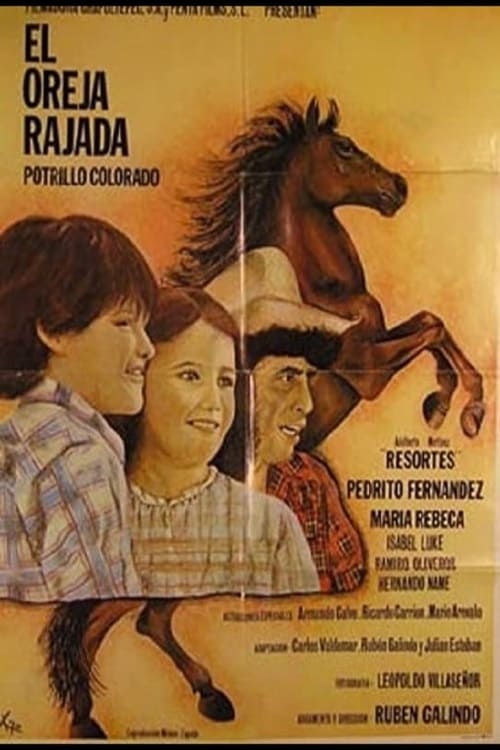
El oreja rajada functions as a standard representative of 1980s Mexican commercial cinema. It provides a non-Western cultural centering through its regional cast and production roots, but it does not attempt to challenge the social status quo. The film operates within conventional genre frameworks, prioritizing traditional storytelling and established moral structures. While it offers a perspective outside of Anglo-centric media, it lacks the narrative complexity to address diverse identities and multi-layered issues. Ultimately, the work aligns with the period's typical adherence to regional archetypes and traditional family-oriented values.
Category Breakdown
The film does not include any known characters with non-traditional gender identities or LGBTQ+ representation. It adheres to the social norms of its time without challenging the assumption that everyone is straight or cisgender.
Featuring notable actresses such as María Rebeca, the film likely follows traditional gender roles. It lacks evidence of female characters taking leading roles or challenging established hierarchies.
As a Mexican production, the film centers on a non-Anglo-Saxon cast and regional identity. However, it likely reinforces traditional cultural stereotypes rather than exploring diverse identities.
The narrative likely upholds traditional social structures and moral frameworks common to family adventures. It does not show evidence of anti-institutional or secular themes.
There is no verifiable evidence regarding the inclusion of characters with visible or invisible disabilities in this production.
Present on Screen
Limited or Absent
1969
1981
1967
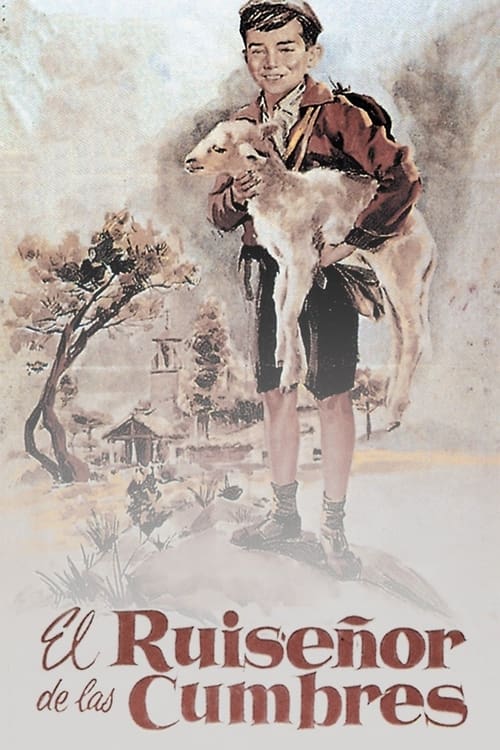
1958
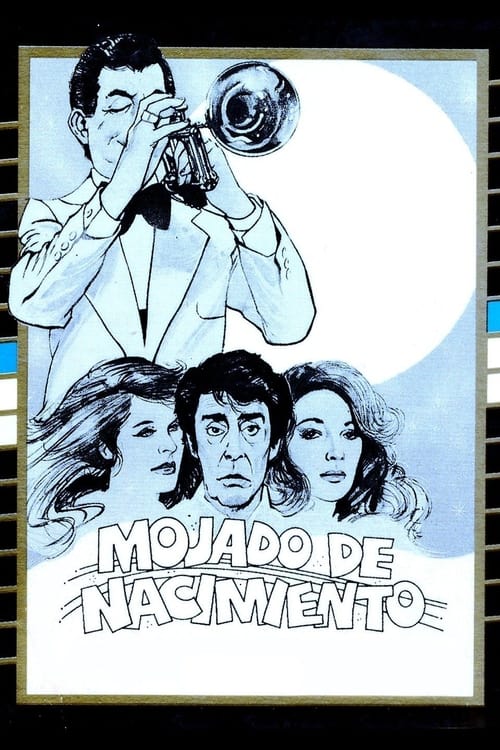
1981
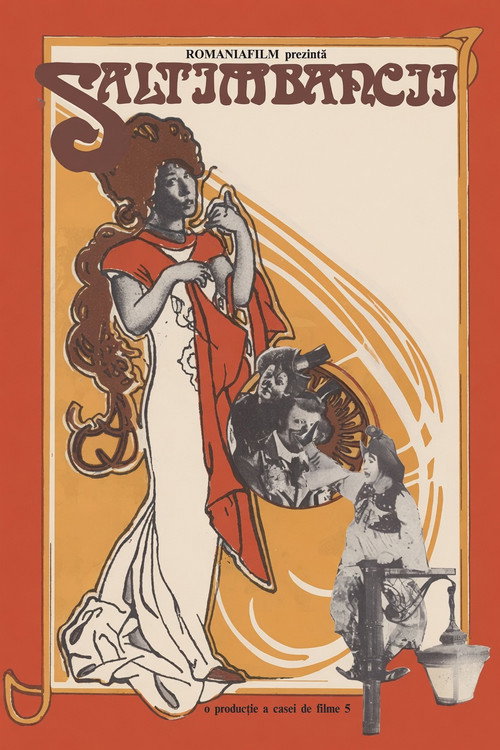
1981

1972
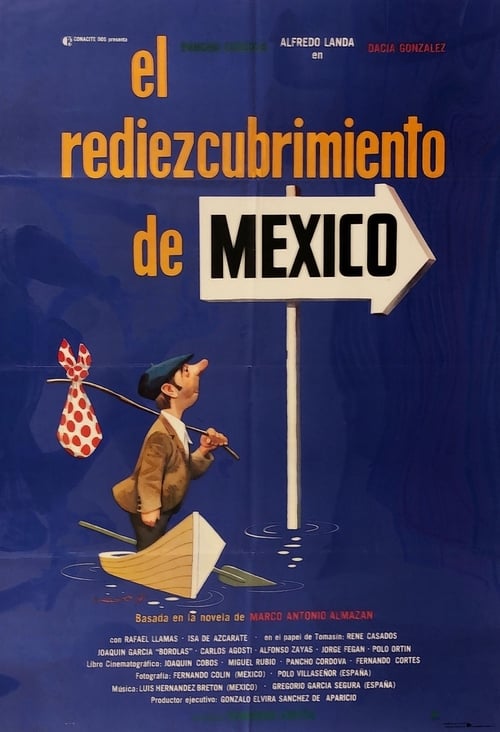
1979
No reviews yet. Be the first to share your thoughts on this movie!
Use the rating form above to leave a star rating and optional review.