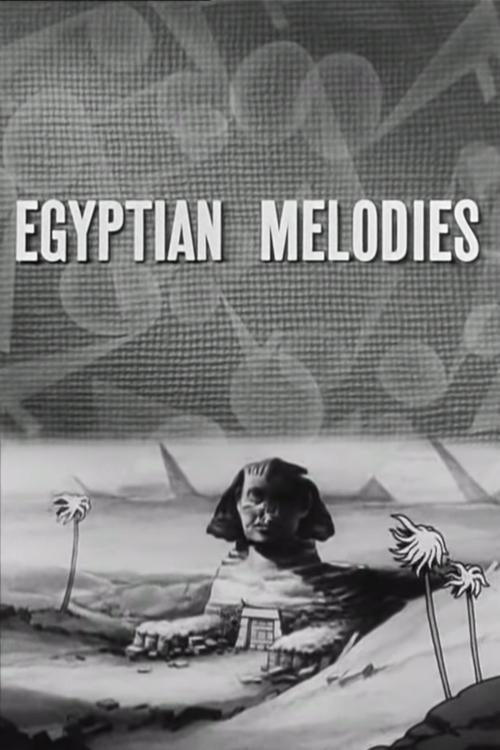
Egyptian Melodies
1931
No user ratings available yet
Representation score: 0.6 out of 10
No Poster Available
Representation Score
Minimal
1941
ApprovedDirector
Sid Marcus
Runtime
6 minutes
Average Rating
No ratings yetNew Showbiz Analysis
The film is a conventional 1941 animation that relies on established archetypes such as the mystic and the curious child. It adheres to the social and narrative constraints of its era without challenging traditional expectations of identity or power. Characters function primarily as vehicles for a fantastical sequence rather than nuanced individuals. The narrative lacks the complexity needed for characters who reflect more than one aspect of diversity, focusing instead on a lighthearted, episodic structure. While the Egyptian setting introduces non-Western aesthetics, these elements serve a folkloric purpose rather than a deep exploration of culture.
Category Breakdown
The film does not depict any LGBTQ+ identities or same-sex relationships. It centers around a straight relationship between a performer and a young girl, reinforcing traditional heterosexual norms.
Zaza Raja holds a position of mystical authority, while the young girl remains passive. This reinforces period-specific gender roles where the male is the expert.
The film sets its story in ancient Egypt, providing a non-Western backdrop. However, the setting serves mainly as an exoticized location, using mummies and pharaohs as folkloric clichés rather than exploring the culture deeply.
The story employs a spiritualist framework without specific religious doctrine. It leans on common Western mystic clichés to create a light-hearted, episodic plot.
The film does not include any characters with visible or invisible disabilities. There are no neurodivergent individuals or those with chronic health conditions featured in the narrative.
Present on Screen
Limited or Absent
Official Synopsis
A theatre-crowd is gathered to listen to Zaza Raja, a renowned mystic, who answers all questions regarding people's life and future. In response to a question from a young girl in the audience, the psychic goes wonder-gazing into his crystal ball and visions ancient Egypt. In search of the answer to the question, he wanders off into the tombs of the ancient Pharaohs, where many mummies held him solve the riddle of the young lady's future. But, when Zaza Raja snaps out of his spell, he finds he has forgotten the answer. He learns the theater audience is none too pleased about it.
1931

1979
1950
1932
1926
1933
1933

1952
No reviews yet. Be the first to share your thoughts on this movie!
Use the rating form above to leave a star rating and optional review.