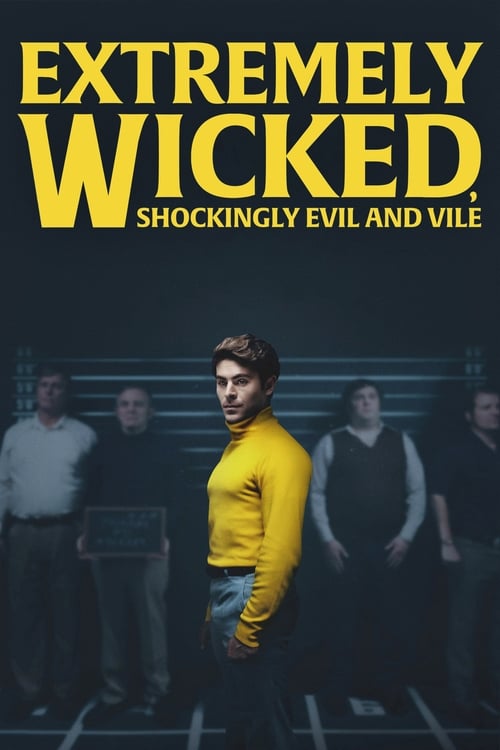
Extremely Wicked, Shockingly Evil and Vile
2019
No user ratings available yet
Representation score: 3.2 out of 10
Representation Score
Fair
2019
RDirector
Mary Harron
Runtime
110 minutes
Average Rating
No ratings yetNew Showbiz Analysis
Mary Harron’s direction offers a nuanced character study that goes beyond surface-level representation. The film excels in deconstructing how institutional power and media narratives intersect with individual identity, especially concerning ethnic heritage and gendered influence. However, the film’s impact is constrained by its narrow focus on a specific demographic. While it provides a sophisticated look at the interplay between private life and public leadership, it falls short in representing diverse communities, particularly in terms of LGBTQ+ and disability inclusion.
Category Breakdown
The film does not include any LGBTQ+ characters or explore non-straight relationships. Its focus is solely on the central figures' personal and political interactions.
The story challenges traditional gender roles by emphasizing Mary Wilson's significant role in both domestic and political spheres. It highlights how the stability of the male leader depends on the support of women.
The film delves into the complexities of Jewish identity within a Western political context. It illustrates how ethnic heritage can be used against individuals by institutional critics and systemic biases.
The narrative scrutinizes the corruption within the press and the fragility of political institutions. It portrays the media as a systemic force that shapes narratives and influences public opinion.
There is no representation of physical, neurodivergent, or mental health disabilities in this work.
Present on Screen
Limited or Absent
Official Synopsis
Three young women were sentenced to death in the infamous Manson murder case, but when the death penalty was lifted, their sentence became life imprisonment. One young graduate student was sent in to teach them – and through her we witness their transformations as they face the reality of their horrific crimes.
2019

2020
2003
1971

2006

2003

2017
2015
No reviews yet. Be the first to share your thoughts on this movie!
Use the rating form above to leave a star rating and optional review.