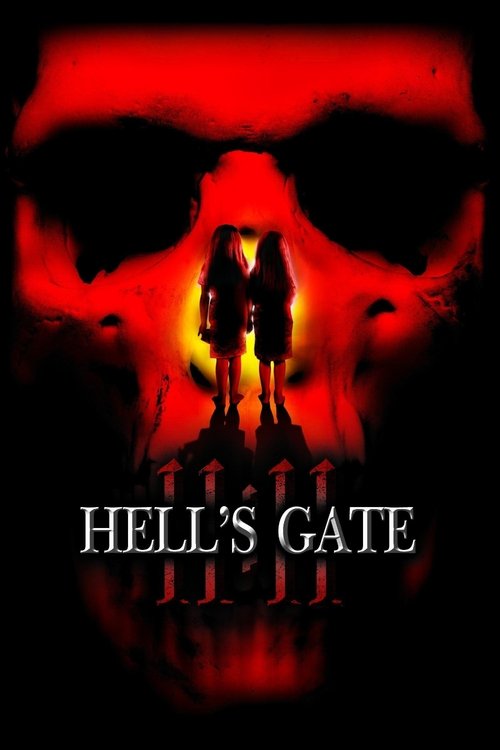
11:11
2004
No user ratings available yet
Diversity score: 3.0 out of 10

1999
RDirector
Chris Angel
Runtime
87 minutes
Average Rating
No ratings yetSynopsis
It's death-by-fear (aka scared-to-death) in this deceptively psychological thriller. The hero, Mike brings his friends to his grandparents' house for a Halloween party wherein they will all dress up as their innermost fears. Mike's fear is that he's inherited a homicidal legacy from his father. Mike's father was a serial killer who murdered his mother right in front of him when Mike was five before committing suicide. Mike's fear manifests itself in his inability to commit to his girlfriend of 4 1/2 years, Peg for fear that he will kill her too. Everything gets rolling when an ancient Indian totem wooden figure named Morty comes to life and starts killing off Mike's friends by making their worst fears come true. The ultimate confrontation comes when Mike has to face his greatest fear - his own father.
Overall Score
Limited
Category Breakdown
LGBTQ+ Representation
The story centers on a heterosexual relationship between Mike and Peg. There is no evidence of non-cisnormative identities or narratives that challenge heteronormativity.
Gender Representation
The plot is driven by the male protagonist's struggle with masculine violence and paternal legacy. While Peg is an emotional anchor, the narrative follows conventional gendered tropes.
Racial & Ethnic Diversity
The film uses an ancient Indian totem as a supernatural catalyst for violence. This reliance on indigenous artifacts risks utilizing reductive tropes common in late-90s horror.
Religious & Cultural Diversity
Themes of inherited trauma and familial dysfunction are present. However, the focus remains on individual psychological horror rather than broader socio-political or cultural critiques.
Disability Representation
The film lacks clear evidence regarding the portrayal of neurodivergence or physical disabilities. Psychological trauma is framed through a homicidal legacy rather than mental health agency.
Strengths
Areas for Improvement
AI Analysis
The film operates within the established conventions of late-90s psychological horror, prioritizing individual trauma over intersectional representation. The narrative structure is heavily centered on a male protagonist's internal struggle with his father's violent legacy. While the film explores deep-seated familial dysfunction, it relies on traditional Western archetypes. The use of an indigenous totem as a source of horror suggests a lack of cultural nuance. Ultimately, the work functions as a character-driven thriller that adheres to standard genre tropes rather than subverting social hierarchies or providing diverse perspectives.
2004
2007
2008

2004
2004
2013
2008
2011
1998
2012
2010
1988
No reviews yet. Be the first to share your thoughts on this movie!
Use the rating form above to leave a star rating and optional review.