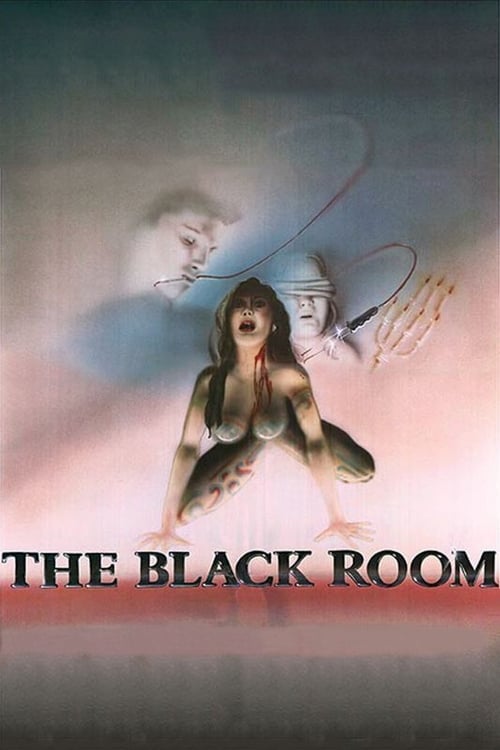
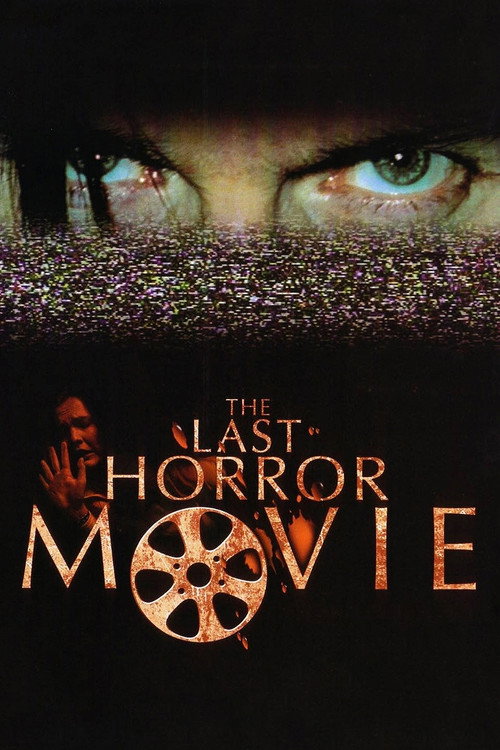
The Black Room
1982
No user ratings available yet
Representation score: 0.6 out of 10
Representation Score
Limited
2004
RDirector
Julian Richards
Runtime
76 minutes
Average Rating
No ratings yetNew Showbiz Analysis
Julian Richards' film is a sophisticated deconstruction of the slasher genre using a mockumentary format. It challenges the audience's voyeurism and the consumption of violent content. While the film offers a thoughtful critique of media consumption, it maintains a traditional demographic composition. The narrative structure aims to break down genre clichés rather than address broader societal issues. Ultimately, the film's strength lies in its critique of the cinematic gaze, but it does not offer meaningful representation of diverse identities.
Category Breakdown
The film does not include any identifiable LGBTQ+ characters or storylines. The focus is on the relationship between the filmmaker and the killer.
The film features a balanced mix of male and female participants within its documentary framework. However, female characters mostly play traditional genre roles.
The cast is predominantly white, reflecting a small-town English setting. There are no significant non-white characters with substantial influence.
The film examines how society treats violence as entertainment. It focuses on the ethical implications of filming violence rather than critiquing Western institutions.
There is no visible or implied disability in the character arcs. The narrative centers on the protagonist's psychological journey.
Present on Screen
Limited or Absent
Official Synopsis
A serial killer uses a horror video rental to lure his next victim. What begins as a teen slasher transforms into a disturbing journey through the mind of Max Parry, a mild mannered wedding photographer with a taste for human flesh.
1982
1987
2007
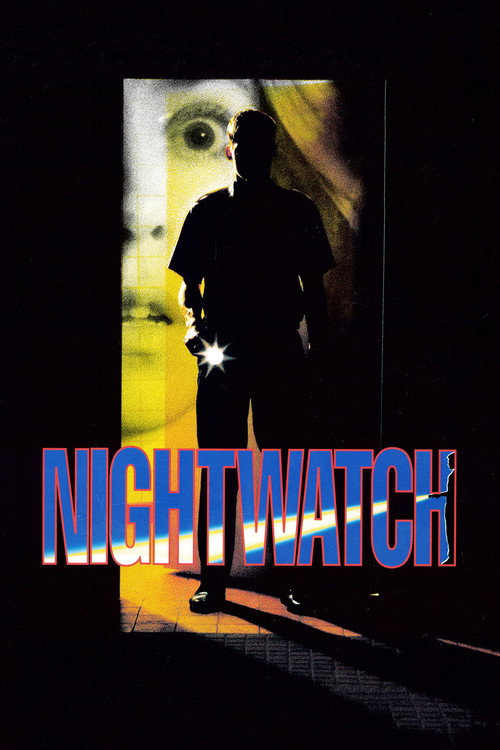
1994

2015

1986

1994

2024
No reviews yet. Be the first to share your thoughts on this movie!
Use the rating form above to leave a star rating and optional review.