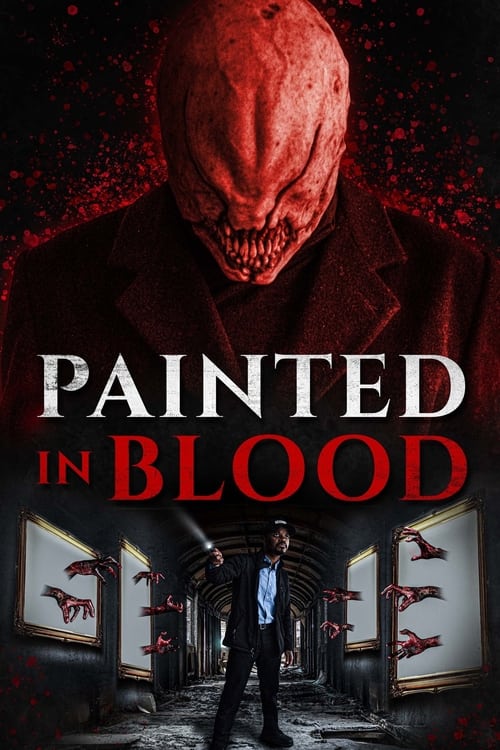
Painted in Blood
2022
No user ratings available yet
Representation score: 2.9 out of 10

Representation Score
Fair
2004
RDirector
Kevin Kangas
Runtime
106 minutes
Average Rating
No ratings yetNew Showbiz Analysis
Fear of Clowns operates within the conventional boundaries of early-2000s horror. While it offers some ability to act to its female lead by depicting her struggle against domestic oppression, it lacks complex, layered representation. The film prioritizes genre clichés over systemic social commentary. It focuses on individual psychological trauma and domestic dysfunction rather than broader cultural or social critiques. Ultimately, the narrative structure remains tied to traditional horror formats, offering limited depth regarding diverse identities or neurodivergent representation.
Category Breakdown
The film focuses on heterosexual relationships and domestic conflicts, such as divorce and custody battles. It does not include any non-cisgender identities or critiques of heterosexuality.
Lynn Blodgett navigates her ability to act through her art and survival. The film challenges traditional masculinity by portraying her spouse as volatile and abusive.
The cast includes diverse names like Darla Albornoz and Jacky Reres. However, the narrative does not engage with multi-layered racial dynamics or diverse community structures.
The story explores the breakdown of the nuclear family through Lynn's divorce. It functions as a psychological thriller without critiquing Western institutions or systemic issues.
Psychological vulnerabilities are explored through Lynn's fear of clowns and the antagonist's mental state. These elements serve as standard plot devices to drive horror tension.
Present on Screen
Limited or Absent
Official Synopsis
An artist who purges her fears through painting is terrified to discover that her nightmarish creations have taken on a life of their own.
2022
1988
2010

2006

2004

2012
2000

2014
No reviews yet. Be the first to share your thoughts on this movie!
Use the rating form above to leave a star rating and optional review.