
Melody for a Street Organ
2009
No user ratings available yet
Representation score: 5.3 out of 10
Representation Score
Fair
2010
Director
Vera Storozheva
Runtime
86 minutes
Average Rating
No ratings yetNew Showbiz Analysis
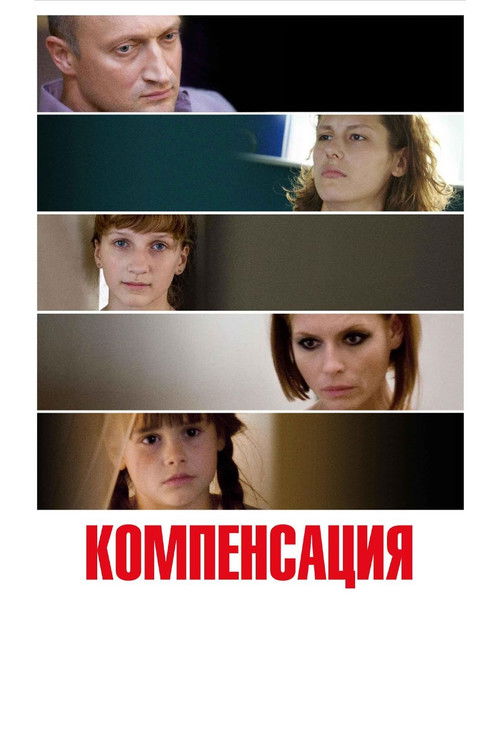
Compensation is a character-driven drama that succeeds in challenging traditional gender roles. By positioning the father as an absent element, the film shifts emotional weight and control entirely to its female protagonists. However, the film lacks depth in representing diverse identities. It remains a localized, homogeneous story with no visible representation of LGBTQ+ identities or multi-ethnic casting, adhering strictly to its specific cultural setting. Ultimately, the film offers a nuanced critique of the traditional family structure, even if it lacks broader social diversity markers.
Category Breakdown
The film does not include visible LGBTQ+ narratives or characters with non-straight identities. The story focuses solely on the biological bond between sisters and their search for a father.
The narrative challenges traditional gender roles by centering on the autonomy and control of the female characters. The sisters drive the plot through their actions, while the male figure remains an absent, destabilizing force.
Set in Moscow, the film appears to reflect a homogeneous demographic. There is no evidence of multicultural blending or intentional racial diversity within this localized Russian drama.
The film critiques the sanctity of the traditional nuclear family. It frames the search for identity and the father's departure as a complex psychological quest rather than a simple domestic issue.
There is no information regarding the portrayal of physical or neurodivergent disabilities. No characters with disabilities are identified in the narrative context.
Present on Screen
Limited or Absent
Official Synopsis
Two sisters arrive to Moscow trying to find their father who left the family 15 years ago.
2009

1957

2010

2006

2018
2009

2020

2012
No reviews yet. Be the first to share your thoughts on this movie!
Use the rating form above to leave a star rating and optional review.