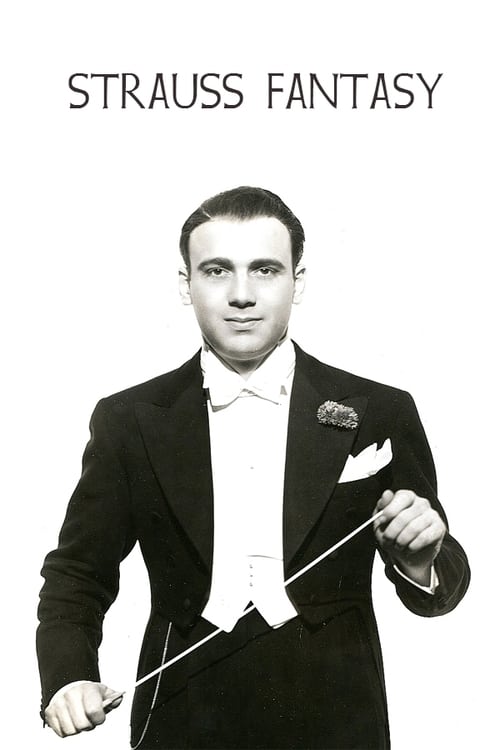
The Strauss Fantasy
1954
No user ratings available yet
Representation score: 0.3 out of 10
Representation Score
Minimal
1953
PassedDirector
Johnny Green
Runtime
9 minutes
Average Rating
No ratings yetNew Showbiz Analysis
As a technical musical short, this film serves as a formalist presentation of music rather than a narrative vehicle. Given its focus on an orchestral performance, it lacks the character arcs, dialogue, or interpersonal dynamics necessary for social commentary. Operating entirely within the traditionalist framework of mid-century classical performance, the film prioritizes orchestral precision and classical excellence over the subversion of social hierarchies or identity-based storytelling. Ultimately, the absence of a plot prevents any meaningful analysis of individual roles or overlapping identities. The work remains a specialized document of musical preservation rather than a medium for progressive representation.
Category Breakdown
Since there are no characters or romantic pairings, there are no LGBTQ themes or narratives to evaluate.
The film centers on the MGM Symphony Orchestra and its conductor, Johnny Green. It does not delve into gendered power dynamics or archetypes.
The ensemble likely mirrors the demographic makeup of 1953 American orchestras. The score adheres to a traditional, non-diverse casting profile typical of the time.
The work upholds the Western classical tradition by reinforcing established high-culture institutions without challenging or deconstructing Western norms.
There are no characters or individuals depicted in a manner that allows for the assessment of physical or neurodivergent representation.
Present on Screen
Limited or Absent
Official Synopsis
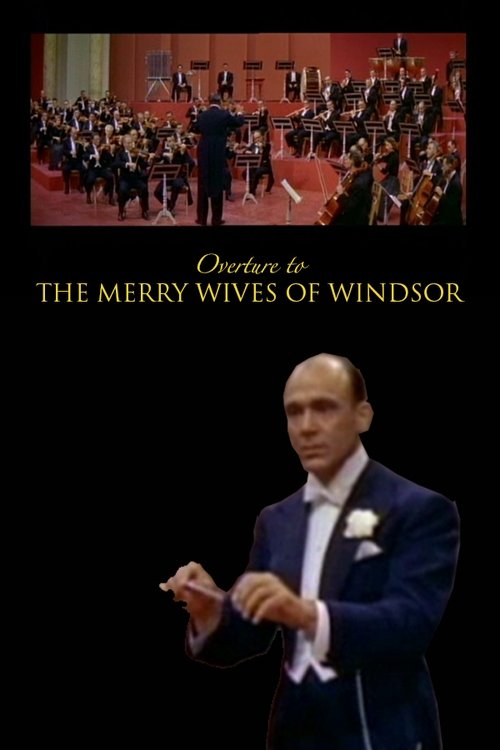
Overture to The Merry Wives of Windsor [also known as The Merry Wives of Windsor Overture] is a 1953 American short musical film produced by Johnny Green. The film consists of the MGM Symphony Orchestra playing the Overture to Otto Nicolai's opera The Merry Wives of Windsor, also conducted by Johnny Green. It won an Oscar in 1954 for Best Short Subject, One-Reel.
1954

1954
1993
1954
1942
1936
1996

1973
No reviews yet. Be the first to share your thoughts on this movie!
Use the rating form above to leave a star rating and optional review.