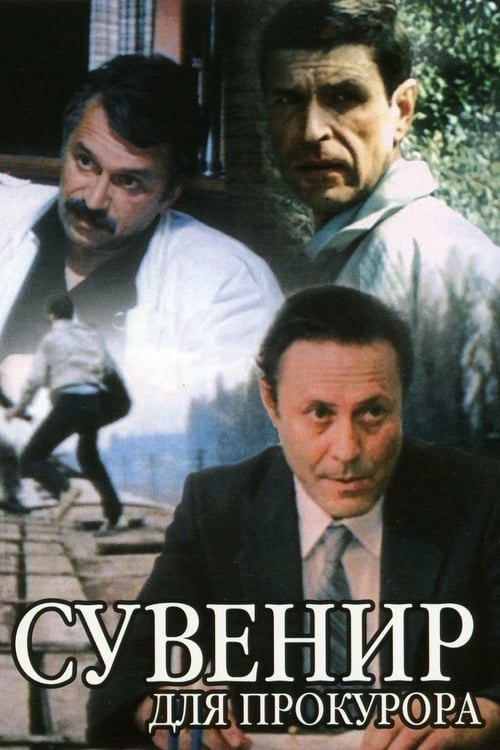
Souvenir for the Prosecutor
1989
No user ratings available yet
Representation score: 3.0 out of 10
Representation Score
Fair
1965
Director
Aleksandr Abramov, Naum Birman
Runtime
98 minutes
Average Rating
No ratings yetNew Showbiz Analysis
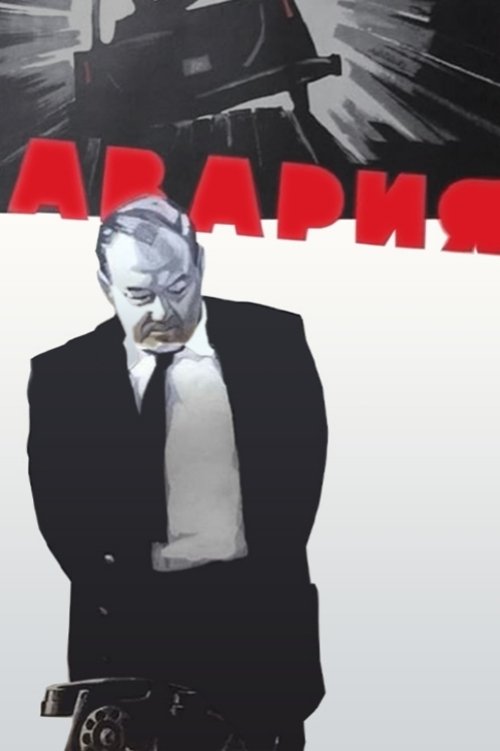
Crash (1965) is a crime drama deeply rooted in the socio-political constraints of its era. It functions primarily to reinforce social order and systemic accountability through a mystery lens. The film lacks complexity in representing diverse identities and underrepresented groups. Instead, it explores the tension between individual actions and the collective social fabric of the Soviet Union. While it does not engage with modern identity politics, its rejection of capitalist individualism offers a distinct cultural divergence from Western cinematic traditions of the same period.
Category Breakdown
The film follows the straight-centered social norms of 1965 Soviet cinema. There are no representations of non-binary gender identities or same-sex relationships.
The story revolves around male-driven roles, focusing on a male protagonist and a male victim. Despite women's historical presence in the Soviet workforce, the film does not challenge traditional gender hierarchies.
The film likely portrays a homogeneous image of the Soviet working class. Although the USSR was multi-ethnic, the narrative emphasizes a centralized national identity rather than diverse representation.
The narrative operates within a Marxist-Leninist framework that prioritizes collective responsibility. It highlights social systems and the consequences of deviating from communal stability over individual pursuits.
There are no characters with visible or invisible disabilities. The story focuses on technical and criminal aspects rather than using disability as a narrative device.
Present on Screen
Limited or Absent
Official Synopsis
Driver Panachuk, who took «left» passengers, is in a hurry to Gorsk. Panachuk tells the policeman who stopped him that he saw a murdered doctor in a crashed «Moskvich» car on the way.
1989
1960
1956
1955

1981
1964
1975
2007
No reviews yet. Be the first to share your thoughts on this movie!
Use the rating form above to leave a star rating and optional review.