
Crash
1965
No user ratings available yet
Representation score: 4.4 out of 10
Representation Score
Limited
1989
Director
Aleksandr Kosarev
Runtime
89 minutes
Average Rating
No ratings yetNew Showbiz Analysis
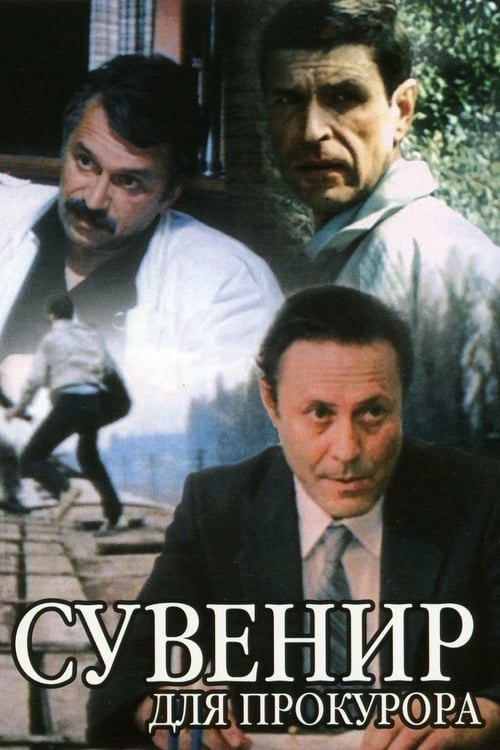
Souvenir for the Prosecutor is a period crime mystery that adheres to established social and genre conventions. While it offers insights into the institutional critiques of the Glasnost era, it does not prioritize identity-driven subversion. The film includes prominent female characters, but their roles are often limited by traditional genre clichés. It lacks the diverse and characters who reflect more than one aspect of diversity necessary for a higher diversity rating. Overall, the work functions as a conventional genre piece of its time, focusing on legal morality and systemic corruption rather than progressive social deconstruction.
Category Breakdown
The film does not include any characters with non-binary gender identities or same-sex relationships. It follows the assumption that everyone is straight or cisgender, which is typical of late-Soviet crime genres.
Female characters such as Galina Belyaeva and Svetlana Toma are prominently featured. However, these roles often revolve around being victims or emotional supports rather than driving systemic change.
The film likely reflects the multi-ethnic makeup of the Soviet film industry. However, the mystery plot focuses on a relatively homogeneous social group.
The storyline involving a prosecutor allows for a critique of institutional morality. This setup explores ethical dilemmas and the questioning of official truths within the legal system.
The narrative does not mention any characters with visible or invisible disabilities.
Present on Screen
Limited or Absent
Official Synopsis
A seemingly ordinary car accident turns out to be a murder investigation...
1965
1976
1990

1977
1977

1956
1980
1990
No reviews yet. Be the first to share your thoughts on this movie!
Use the rating form above to leave a star rating and optional review.