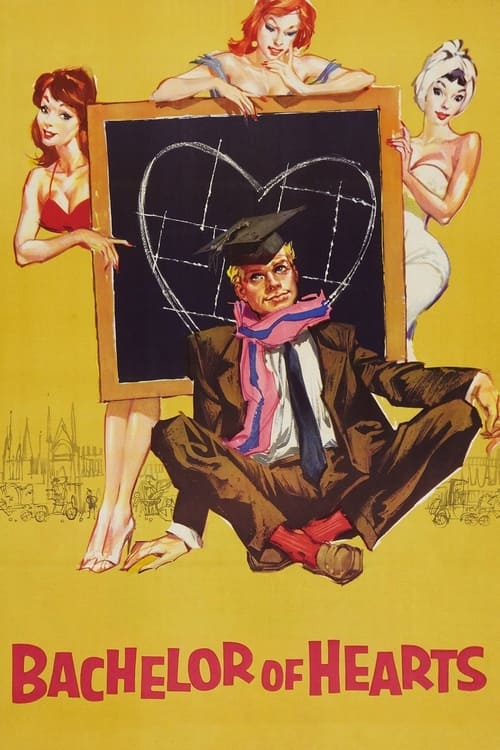
Bachelor of Hearts
1958
No user ratings available yet
Representation score: 1.4 out of 10
Representation Score
Limited
1952
Director
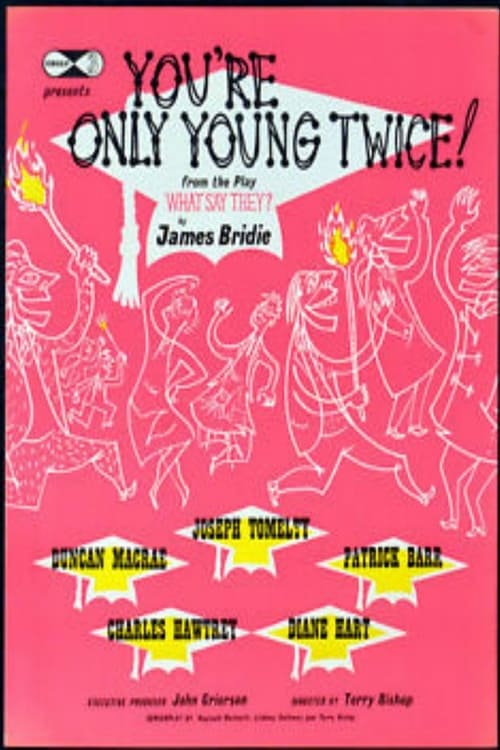
Terry Bishop
Runtime
81 minutes
Average Rating
No ratings yetNew Showbiz Analysis
This 1952 comedy operates within the traditional social and gender hierarchies of its era. While it introduces minor subversion through a deceptive protagonist and a subversive poet, the core plot remains anchored in mid-century norms. The film relies on established archetypes, such as the accidental female professional and the puritanical antagonist. These elements reinforce rather than challenge the period's social structures. Diversity is limited by the homogeneous casting and setting. The narrative focuses on romantic approval and institutional navigation rather than exploring multiple aspects of identity or broader social critiques.
Category Breakdown
The film follows a conventional romantic relationship between Ada Shore and Archibald Asher. It does not include any non-binary gender identities or critiques of the assumption that everyone is straight.
Ada Shore shows significant influence through her impersonation, yet her role is defined by a mistaken identity. The narrative remains focused on her romantic involvement with a male authority figure.
The setting includes a Scottish university and an Irish character. However, the film reflects the homogeneous social structures typical of 1950s British cinema.
The story explores tension between institutional rigidity and individualist impulses. The character of a subversive Irish poet suggests interest in those outside academic orthodoxy.
There are no visible or invisible disabilities portrayed in the narrative.
Present on Screen
Limited or Absent
Official Synopsis
Ada Shore (Diane Hart) arrives at Skerryvore University in Scotland in search of her long-lost uncle Connell O’Grady (Joseph Tomelty), who was once a subversive Irish poet but is now working under an assumed name as a University porter. Ada is mistaken by Principal Archibald Asher (Patrick Barr) as his new secretary, and she goes along with the impersonation. Archibald and Ada fall in love, which incurs the disapproval of the puritanical Professor Hayman (Duncan Macrae).
1958
1958

1950
1940
1952
1967
1943
1952
No reviews yet. Be the first to share your thoughts on this movie!
Use the rating form above to leave a star rating and optional review.