
Doraemon: Nobita's Dinosaur
1980
No user ratings available yet
Representation score: 2.3 out of 10
Representation Score
Minimal
1981
Director
Hideo Nishimaki
Runtime
96 minutes
Average Rating
No ratings yetNew Showbiz Analysis
This adventure follows a traditional framework, relying on established social hierarchies and classic hero archetypes. The storytelling focuses on cohesive group dynamics and moral clarity, providing a stable experience for its target demographic but avoiding any disruption of traditional norms. The film operates within a highly structured narrative that reinforces existing cultural norms. It lacks the intentionality needed to challenge traditional clichés or provide perspectives that reflect multiple aspects of identity, staying true to the conventions of early 1980s children’s media. While the science fiction elements introduce alien characters, they function as standard plot devices rather than tools for exploring diverse identities or complex social critiques.
Category Breakdown
The film follows traditional structures that assume everyone is straight and cisgender. There are no depictions of LGBTQ+ identities.
The characters follow traditional gender roles. While one female character has some influence, the male characters drive the main conflict according to the social norms of the 1980s.
The setting is culturally uniform, reflecting a specific Japanese context. Alien species are used as standard science fiction clichés rather than as nuanced representations of racial or ethnic diversity.
The story emphasizes social unity, friendship, and clear moral lessons. It upholds traditional values and a stable worldview without engaging in institutional or secular critiques.
The main characters are shown as fully able-bodied individuals navigating a physical adventure. There are no characters with visible or invisible disabilities.
Present on Screen
Limited or Absent
Official Synopsis
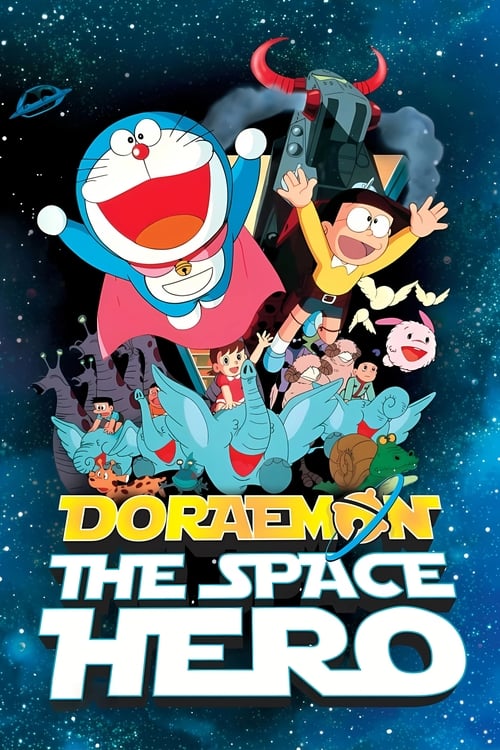
Lopple and Chammy, two runaway aliens, recruit Doraemon and Nobita to help save their planet from destruction.
1980

1982
2015
2014
2023
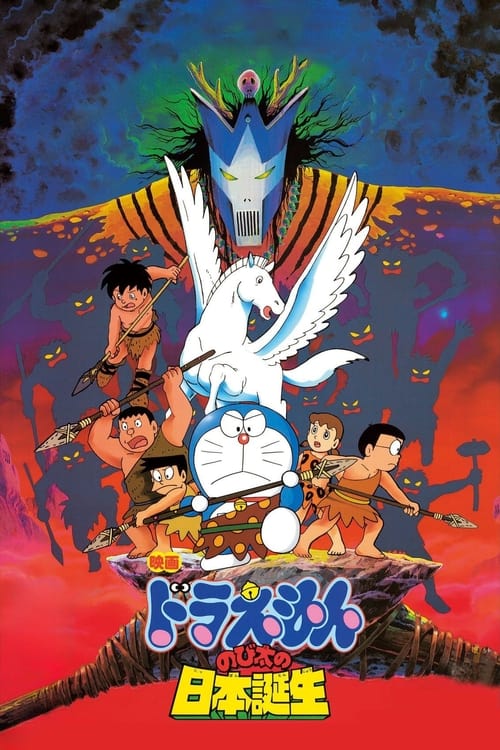
1989
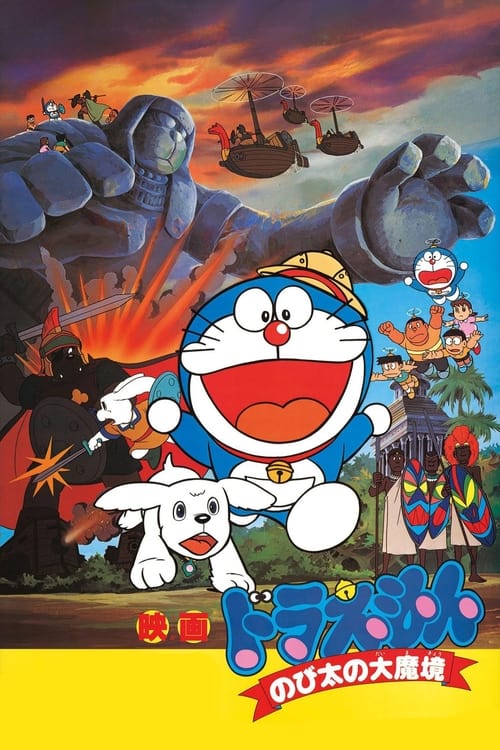
1982
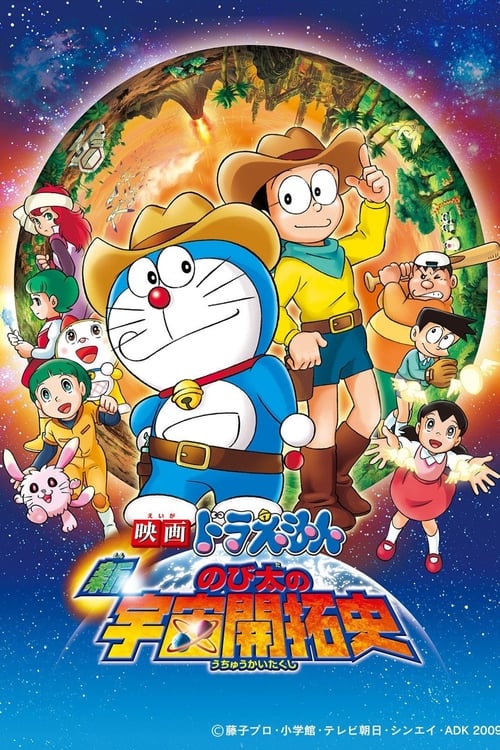
2009
No reviews yet. Be the first to share your thoughts on this movie!
Use the rating form above to leave a star rating and optional review.