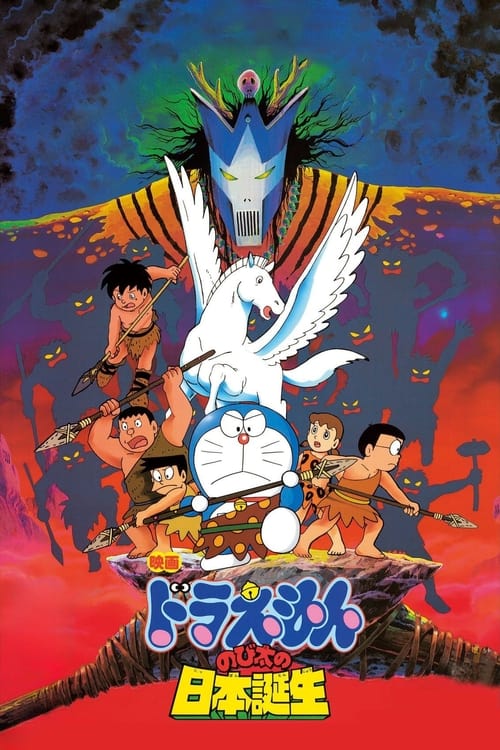
Doraemon: Nobita and the Birth of Japan
1989
No user ratings available yet
Representation score: 2.5 out of 10
Representation Score
Limited
1982
Director
Hideo Nishimaki
Runtime
92 minutes
Average Rating
No ratings yetNew Showbiz Analysis
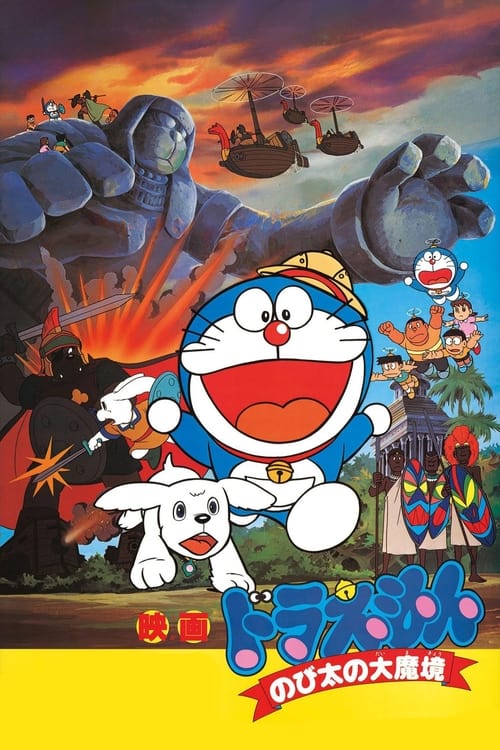
This 1982 adventure follows a traditional narrative structure common for its time. It depends on clear moral contrasts and conventional social structures to advance the plot within a fantasy world. The film presents a classic heroic journey. Although it uses diverse locations like the Congo, these places function as mere backdrops for the adventure rather than opportunities for cultural exploration. Overall, the production favors a homogeneous cast and traditional gender roles. It does not aim to challenge established stereotypes or offer nuanced portrayals of underrepresented groups.
Category Breakdown
The film does not include any LGBTQ+ characters or explore non-straight relationships. The focus is on a typical group of children without any queer undertones.
The story centers around male characters who engage in physical conflicts and make key decisions. Shizuka, while important, has a traditional supporting role.
The cast is mostly made up of characters from similar backgrounds, reflecting the Japanese production context. Adventure settings like the Congo serve as backdrops without delving into complex racial issues.
The storyline adheres to a straightforward good-versus-evil theme. It emphasizes community and social order without examining moral ambiguity or systemic issues.
The main characters are portrayed as fully capable individuals driving the plot. There are no characters with visible or hidden disabilities.
Present on Screen
Limited or Absent
Official Synopsis
Nobita and Doraemon venture to the Heavy Smokers Forest in the Congo, where they find a stray dog and a giant statue. After discovering that they are wanted for trespassing on isolated kingdom land, Nobita and the rest must utilize the power of the mysterious statue to prove their worth.
1989
2000
2018
2007
2007
2014
1983
1990
No reviews yet. Be the first to share your thoughts on this movie!
Use the rating form above to leave a star rating and optional review.