Boreas
2006
No user ratings available yet
Representation score: 5.4 out of 10
Representation Score
Fair
1982
Director
Margarida Cordeiro, António Reis
Runtime
110 minutes
Average Rating
No ratings yetNew Showbiz Analysis
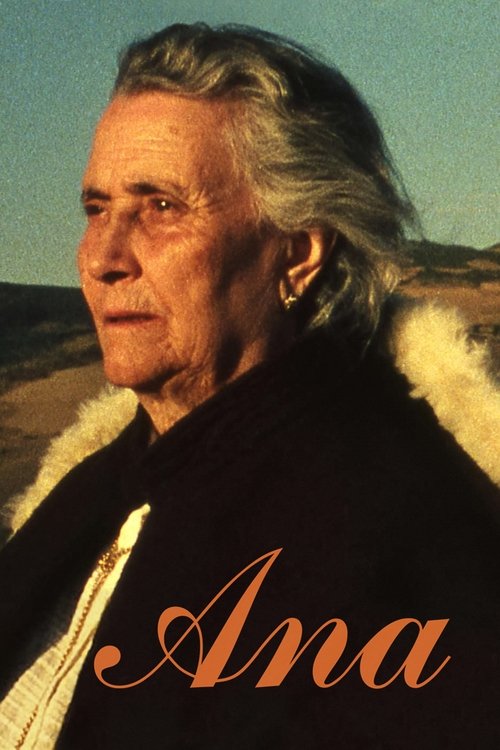
Ana is a poetic exploration of life and death in rural Portugal. It succeeds by centering a female subject and challenging modern, capitalist-driven social structures through a non-linear, ethnographic lens. While the film lacks explicit LGBTQ+ or multi-racial the way different parts of someone's identity overlap, it disrupts traditional cinematic hierarchies. It replaces mainstream narrative structures with a focus on seasonal cycles and the influence of its matriarchal lead. Ultimately, the film serves as a sophisticated critique of Western teleology, favoring a pre-industrial worldview that prioritizes human-nature harmony over industrial progress.
Category Breakdown
The film focuses on rural existence and the rhythms of nature. There are no LGBTQ+ characters or narratives addressing non-straight relationships within this observational framework.
The film centers on an elderly matriarch, giving her profound influence. It challenges traditional male-centric clichés by prioritizing her internal experience and connection to the landscape over the male perspective.
The work presents a culturally specific, homogeneous depiction of the Portuguese peasantry. It functions as a localized ethnographic study rather than a multi-ethnic narrative.
The narrative critiques modern capitalism by focusing on a pre-industrial, cyclical way of life. It emphasizes poetic truth and harmony with nature over Western institutional dominance.
There are no specific depictions of physical or neurodivergent disabilities. The film's focus remains ontological rather than clinical.
Present on Screen
Limited or Absent
Official Synopsis
Centered on an elderly matriarch and her family in the Trás-os-Montes region of Portugal. An exploration of the cycle of life and death, using the main character, Ana, as an emblem of a life lived in harmony with nature and tradition.
2006
1963
1976
1976
1972

2024
1989
1990
No reviews yet. Be the first to share your thoughts on this movie!
Use the rating form above to leave a star rating and optional review.