
Miniatures: Many Berlin Artists in Hoisdorf
1983
No user ratings available yet
Representation score: 5.6 out of 10
Representation Score
Fair
1988
Director
Henry Hills
Runtime
7 minutes
Average Rating
No ratings yetNew Showbiz Analysis
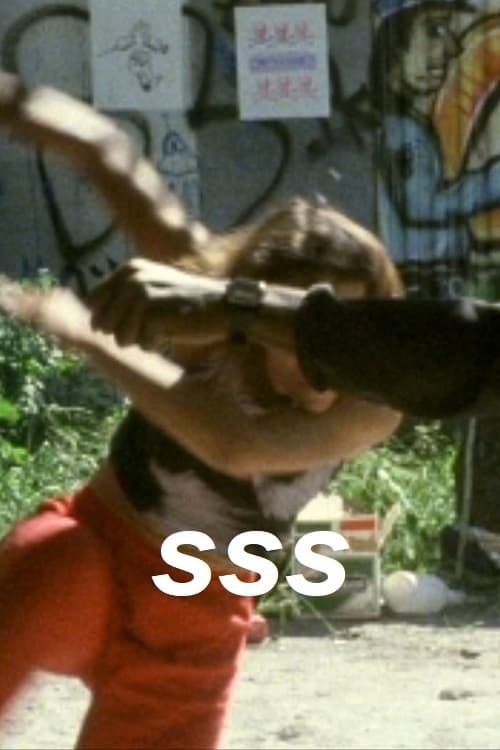
SSS is an avant-garde experiment that prioritizes rhythmic movement and improvisational music over traditional cinematic storytelling. It functions as a visual document of the pre-gentrified East Village, capturing a transient, multi-layered moment in urban history. The film's strength lies in its rejection of mainstream conventions and its celebration of an unpolished, diverse reality. By focusing on underrepresented spaces, it offers a meaningful departure from the sanitized media structures of the 1980s. However, the abstract and non-linear format limits the ability to assess specific character-driven roles. Without dialogue or structured plots, the depth of representation for specific identities remains difficult to quantify.
Category Breakdown
The film captures the subcultural fluidity of the 1980s East Village through improvisational street footage. While it avoids the focus on straight relationships, it doesn't show clear examples of characters taking control of their own stories based on their LGBTQ identity.
Performers like Sally Silvers and Zeena Parkins participate in a diverse ensemble. The focus on movement disrupts traditional gender roles, but the specific hierarchy of gender roles isn't clear.
The film features a multicultural cast, including actors from various ethnic backgrounds. It highlights the diverse bodies inhabiting underrepresented urban spaces without falling into the trap of homogeneous casting.
The work rejects traditional Western narrative structures in favor of aesthetic anarchy. It critiques capitalist urban development by documenting a pre-gentrified communal landscape.
There is no visible evidence regarding the portrayal of physical or neurodivergent disabilities within the provided documentation.
Present on Screen
Limited or Absent
Official Synopsis
SSS is composed from footage of movement improvised on the streets of pre-gentrified East Village by Sally Silvers, Pooh Kaye, Harry Shepperd, Lee Katz, Kumiko Kimoto, David Zambrano, Ginger Gillespie, Mark Dendy, and others, painstaking synched to music previously improvised for the project at Noise New York by Tom Cora (cello), Christian Marclay (turntables), and Zeena Parkins (harp). Beauty emerging from rubble. (Henry Hills)
1983
1963
1990

2011

2011
2012
2009
2000
No reviews yet. Be the first to share your thoughts on this movie!
Use the rating form above to leave a star rating and optional review.