Popular Science J-0-2
1940
No user ratings available yet
Diversity score: 3.1 out of 10
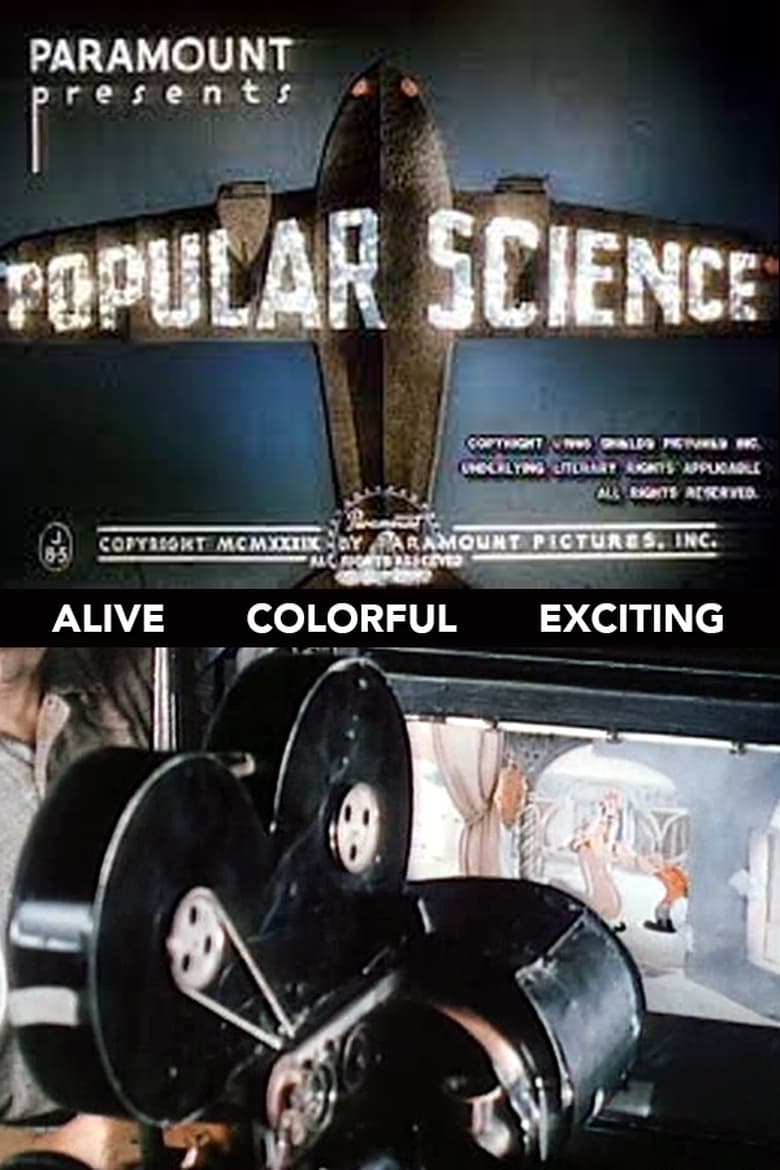
1936
ApprovedDirector
Robert Carlisle
Runtime
10 minutes
Average Rating
No ratings yetSynopsis
Considers marvels of modern science: Fingerprints, cosmetics, radio, microbiological research, airplanes.
Overall Score
Limited
Category Breakdown
LGBTQ+ Representation
The film focuses on inanimate technology and microscopic biological processes. There is no evidence of character development or interpersonal relationships to depict non-heteronormative identities.
Gender Representation
The documentary emphasizes scientific marvels within a 1936 context. It likely adheres to traditional gender hierarchies, as there is no evidence of female scientists or subverted roles.
Racial & Ethnic Diversity
Subject matter like fingerprinting and radio is presented through a mid-century lens. The film lacks evidence of a diverse cast or non-white subjects challenging social constraints.
Religious & Cultural Diversity
The film celebrates modernism and scientific advancement. It aligns with Western industrial progress and institutionalized knowledge rather than offering moral relativism or institutional critique.
Disability Representation
The scope is limited to the mechanics of science and technology. No individuals with visible or invisible disabilities are integrated into the narrative.
Strengths
Areas for Improvement
AI Analysis
Popular Science J-6-2 is a technical documentary centered on empirical processes and technological marvels. Because the film prioritizes instructional content like microbiology and aviation, it lacks the character-driven structures needed to explore identity or agency. The production reflects the observational standards of 1930s educational media. It functions as a celebration of Western industrial progress, focusing on the mechanics of science rather than human social dynamics. Consequently, the film lacks the narrative complexity required to engage with progressive values or intersectional representation, resulting in a low diversity score.
1940
1940
1947
1941
1948
1949
1996
2004
1929

1960
1942
1931
No reviews yet. Be the first to share your thoughts on this movie!
Use the rating form above to leave a star rating and optional review.