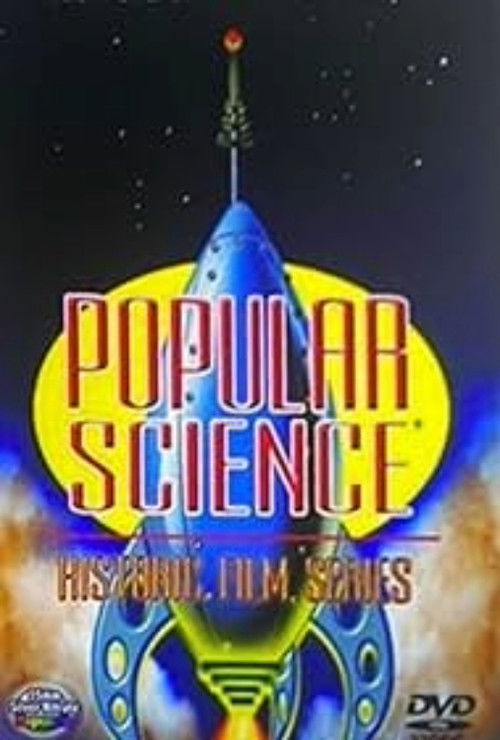
Popular Science J-0-2
1940
No user ratings available yet
Representation score: 1.9 out of 10
Representation Score
Limited
1940
ApprovedDirector
Robert Carlisle
Runtime
11 minutes
Average Rating
No ratings yetNew Showbiz Analysis
Popular Science J-0-1 is a period-specific industrial documentary that prioritizes mechanical efficiency over social commentary. Its narrative architecture is designed to showcase technological utility, such as disaster trucks and cattle breeding innovations, rather than exploring identity or social hierarchies. Because the film was produced in 1940, it adheres to the industrial and social standards of its era. The content is strictly utilitarian, focusing on community preparedness and Western infrastructure advancement. Ultimately, the film lacks the intentionality required to engage with progressive representation frameworks, reflecting the traditionalist social constraints of the mid-20th century.
Category Breakdown
The film is a technical documentary focused on industrial and agricultural machinery. It contains no LGBTQ+ characters or narratives addressing non-straight relationships.
The subject matter centers on masculine-coded labor like cattle breeding and disaster response. There is no evidence of women demonstrating a significant role in driving the story or subverting traditional hierarchies.
The film documents American locales and agricultural practices from 1940. The visual landscape reflects the homogeneous social structures of that era without intentional racial diversity.
The content celebrates mid-century Western technological progress and agricultural efficiency. It reinforces traditional notions of community stability and industrial utility.
The focus remains entirely on mechanical innovation and agricultural processes. There is no mention of characters with visible or invisible disabilities.
Present on Screen
Limited or Absent
Official Synopsis
A disaster truck, which is equipped to meet practically any emergency that arises in the community; In Oklahoma a breeder of under-slung cattle, making possible smaller grazing areas for milk herds; a deburping machine, of all things.
1940
1936
1947
1943
1949
1948
1941
1945
No reviews yet. Be the first to share your thoughts on this movie!
Use the rating form above to leave a star rating and optional review.