The Polio Crusade
2009
No user ratings available yet
Diversity score: 4.8 out of 10
2015
TV-PGDirector
Chana Gazit
Runtime
60 minutes
Average Rating
No ratings yetSynopsis
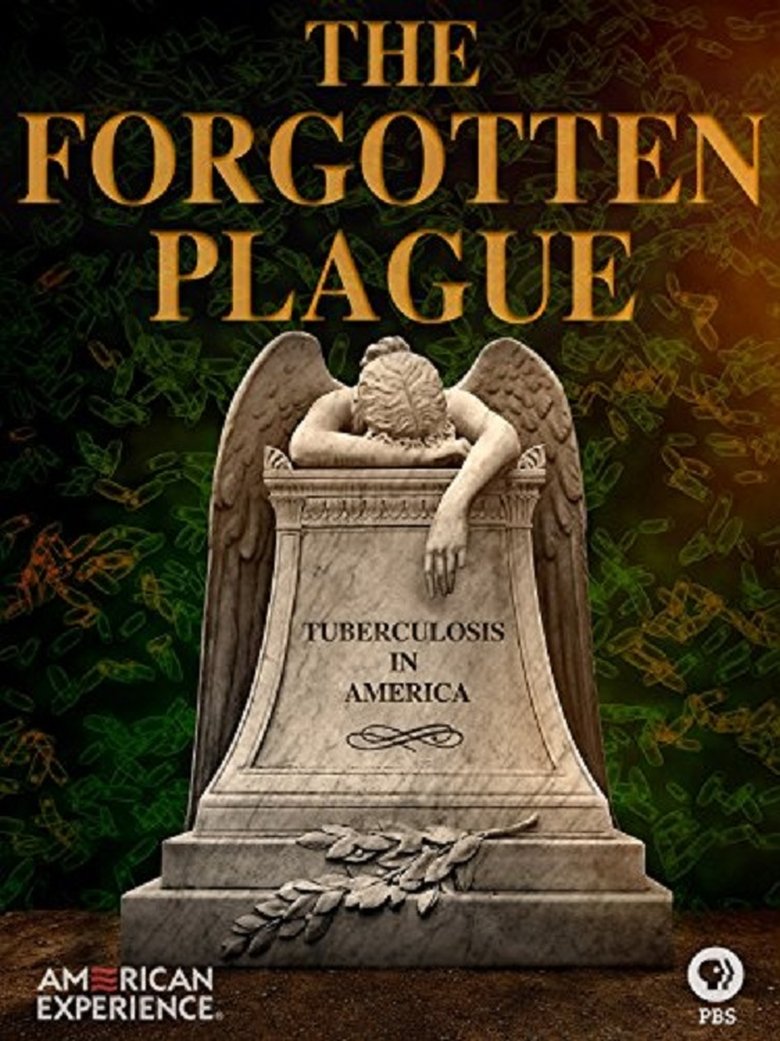
Tuberculosis is the deadliest killer in human history, responsible for one in four deaths for almost two centuries. While it shaped medical pursuits, social habits, economic development and public policy, TB and its impact are poorly understood.
Overall Score
Fair
Category Breakdown
LGBTQ+ Representation
The documentary lacks any identifiable LGBTQ+ character arcs or narratives. The focus remains strictly on the epidemiological and historical impact of tuberculosis.
Gender Representation
The film examines how the plague shaped social habits and public policy. However, it provides no specific evidence of women demonstrating agency or subverting traditional hierarchies.
Racial & Ethnic Diversity
While tuberculosis is a global phenomenon affecting all populations, the film lacks explicit evidence of a focus on non-Western perspectives or specific ethnic narratives.
Religious & Cultural Diversity
The narrative explores the intersection of disease and public policy. It remains unclear if the film critiques institutional authority or reinforces traditional Western frameworks.
Disability Representation
The subject matter inherently involves chronic illness and physical debilitation. It is uncertain if these depictions offer agency or serve as mere clinical observations.
Strengths
Areas for Improvement
AI Analysis
The Forgotten Plague functions as a traditional historical and scientific inquiry. It prioritizes the macro-level impacts of a biological agent on human systems, such as economic development and public policy. Because the documentary centers on medical history and epidemiology, it maintains a neutral, academic posture. The narrative architecture focuses on systemic vulnerabilities rather than intentional character-driven subversion of social hierarchies. While the global scope of the disease implies a broad lens, the film lacks specific evidence of progressive representation or diverse identity-driven storytelling.
2009
2022
2007
2006

1992
2010

2017
2022
2015
2014
2003

2021
No reviews yet. Be the first to share your thoughts on this movie!
Use the rating form above to leave a star rating and optional review.