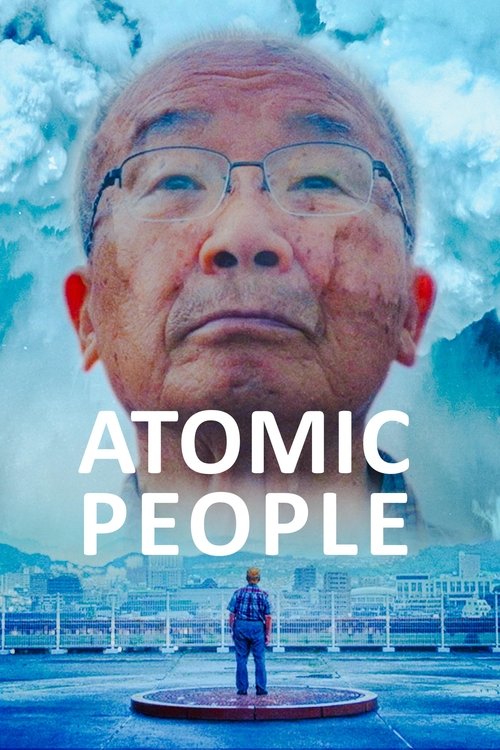
Atomic People
2024
No user ratings available yet
Representation score: 6.1 out of 10
Representation Score
Good
2020
TV-14Director
James Erskine
Runtime
0 minutes
Average Rating
No ratings yetNew Showbiz Analysis
James Erskine’s documentary succeeds by intentionally centering the voices of the hibakusha rather than following a Western-centric military triumph narrative. By prioritizing first-person testimonies from survivors, the film shifts the historical focus to those directly impacted by the atomic bombings. The film’s strength lies in its multi-layered approach to human suffering. It moves beyond strategic military discussions to include the lived realities of women and the long-term physical consequences of radiation sickness, treating disability with dignity and ability to act. While the documentary lacks specific LGBTQ+ representation, it remains a progressive historical document. It effectively deconstructs traditional power hierarchies and challenges the perceived moral superiority of Western military intervention through a humanitarian lens.
Category Breakdown
The film focuses on historical and humanitarian issues rather than LGBTQ+ identities. There are no specific queer narratives, but the documentary does not contain derogatory content.
The narrative challenges traditional military clichés by emphasizing the domestic and biological experiences of women. It highlights the specific vulnerabilities and long-term survival struggles faced by female victims.
The documentary excels by featuring first-person testimonies from Japanese survivors and descendants. This shifts the focus from Western decision-makers to the victims, ensuring they are active narrators of their own history.
The film provides a sophisticated critique of Western institutional power and military intervention. It examines the power dynamics between a global superpower and the Japanese populace through a post-colonial lens.
The film gives significant visibility to both visible and invisible disabilities caused by radiation. It treats chronic illness and physical impairments with dignity, centering these struggles as core historical components.
Present on Screen
Limited or Absent
Official Synopsis
Hiroshima and Nagasaki: 75 Years Later is told entirely from the first-person perspective of leaders, physicists, soldiers and survivors.
2024
1998
2015

1985

1980

2012

2000
2023
No reviews yet. Be the first to share your thoughts on this movie!
Use the rating form above to leave a star rating and optional review.