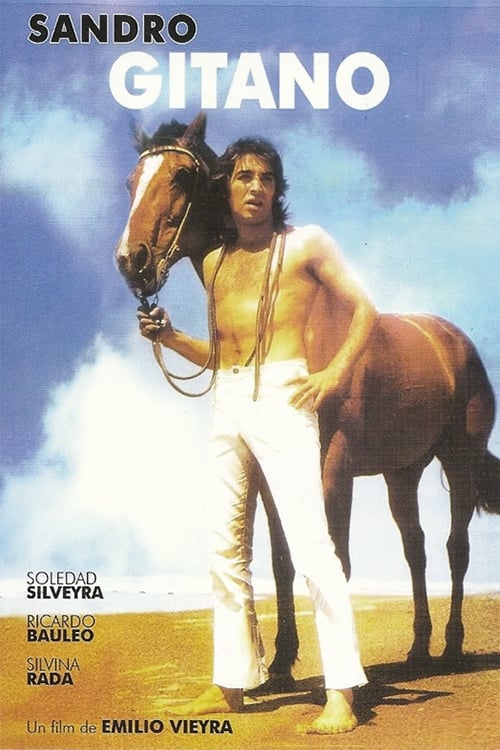
Gitano
1970
No user ratings available yet
Representation score: 4.4 out of 10

Representation Score
Fair
1974
Director
Román Chalbaud
Runtime
110 minutes
Average Rating
No ratings yetNew Showbiz Analysis
Román Chalbaud’s drama succeeds as a nuanced study of identity and systemic volatility. By centering a underrepresented protagonist, the film moves away from Western-centric storytelling to explore the complexities of Venezuelan urban life. The film's greatest strength is its refusal to adhere to traditional moral binaries. It deconstructs the concept of a hero, showing how institutional perception can transform a criminal into a symbol, only to discard him once his true identity is revealed. However, the film remains limited by its narrow demographic focus. The narrative is heavily driven by male-centric conflict and lacks significant representation of gender diversity or LGBTQ+ identities.
Category Breakdown
The film does not include any LGBTQ+ characters or non-straight relationships. The story focuses solely on the protagonist's socio-political conflicts with the state.
The story revolves around a male-driven cycle of crime and accidental heroism. It operates within a patriarchal framework typical of 1970s social realism, offering little evidence of women taking a leading role.
The film provides meaningful representation by centering the Venezuelan urban experience. It avoids Anglo-centric clichés by focusing on local socio-economic struggles and regional social dynamics.
The narrative offers a progressive critique of institutional morality and Western-style law. It uses the community's ritualistic burning of an effigy to challenge the stability of state-sanctioned symbols.
There is no mention of visible or invisible disabilities within the character arcs or plot drivers.
Present on Screen
Limited or Absent
Official Synopsis
Jesús María Carmona is a small-time crook who poses as a cop so he can rob a bank. A few days before the day he planned to do it, a guerrilla group robs the same bank and Carmona is shot to death defending it when he has no other choice but to act as a policeman. Soon after, his image becomes a symbol for the police and he is honored, but his identity is found out. Meanwhile, in the neighborhood where he grew up his effigy is burned as he is now considered a traitor.
1970
1971
1974
1981
1970
1973
1961
1967
No reviews yet. Be the first to share your thoughts on this movie!
Use the rating form above to leave a star rating and optional review.